Beyond the Auto Industry: Innovative Uses for Recycled Car Materials
19th Feb, 2026
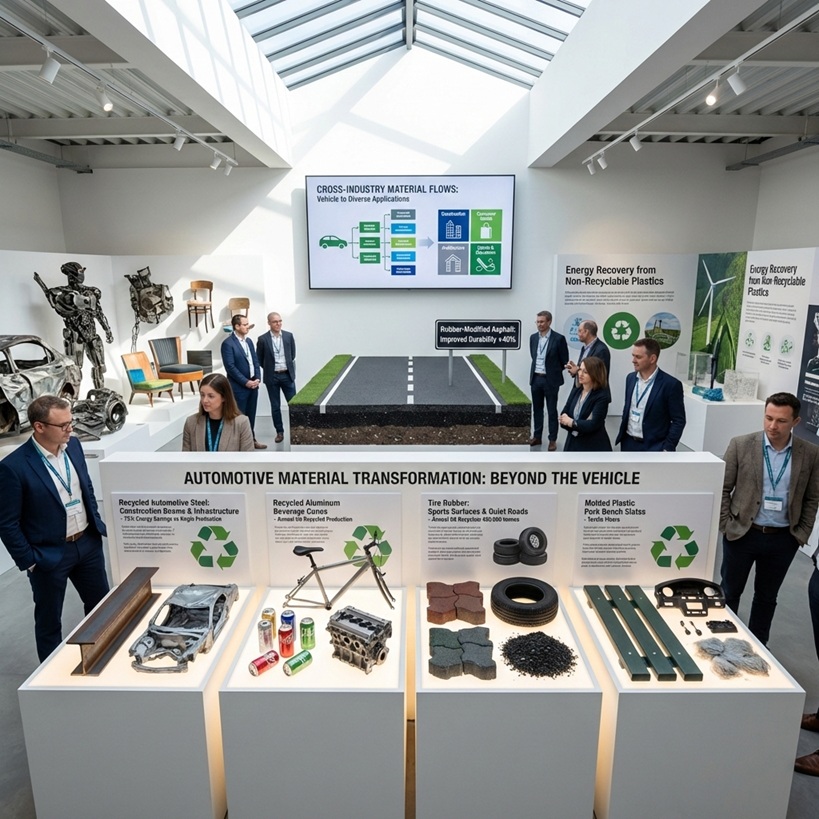
Scrapped vehicles have evolved from simple waste into valuable resources. What once ended up in landfills now fuels innovation across unexpected industries. From fashion runways to children’s playgrounds, car parts are getting second lives in ways that transform how we think about automotive waste.
The transformation is remarkable. Materials designed for durability on roads now serve entirely different purposes. Tyres become running tracks, seat leather transforms into luxury handbags, and steel frames support office buildings. This shift represents more than recycling, it’s a complete reimagining of material potential.
The Building Blocks Revolution
Construction companies have discovered that old cars are goldmines for building materials. Tyres get chopped up and mixed into road surfaces to create quieter, more durable tarmac. It’s like adding extra cushioning under carpet, the rubber provides shock absorption whilst creating surfaces that last longer than traditional materials.
Steel from car bodies doesn’t just become new vehicles. Architects incorporate recycled automotive steel into building frameworks, bridges, and artistic installations. The same strength that protected drivers on motorways now supports commercial buildings and infrastructure projects across the country.
Shredded car seats serve as excellent insulation material. The foam and fabric that once provided comfort to passengers now keeps homes warm and reduces energy bills. Materials designed for one type of comfort continue serving that purpose in completely different applications. Contractors appreciate these recycled car material uses because they offer proven durability at competitive prices.
Fashion’s Unexpected Materials
High-end fashion designers create handbags, shoes, and jackets from automotive components. Seat leather transforms into luxury accessories, whilst seat belts become straps for trendy messenger bags. The material quality that withstood years of wear in vehicles translates perfectly to fashion applications.
Some designers create jewellery from car dashboard components. Plastic pieces that surrounded radios and air conditioning controls become statement necklaces and earrings. These materials withstood years of sun damage and temperature changes, making them surprisingly durable for fashion pieces that need to last.
Car carpets find new life in outdoor clothing. The tough, stain-resistant fibres that handled muddy boots and spilled coffee get woven into waterproof accessories and protective gear. Fashion brands value these materials for their proven resilience in demanding conditions.
Playground Paradise from Car Parts
Children’s playgrounds have become unexpected beneficiaries of automotive recycling. Old tyres that once gripped wet roads now provide safe, bouncy surfaces for play areas. Playground designers favour them because they’re weather-resistant and offer excellent shock absorption when children fall.
The applications extend beyond tyre swings and climbing structures. Plastic components from car interiors get processed into colourful playground equipment. Door panels become slide components, dashboard plastics transform into climbing holds, and interior trim pieces create decorative elements.
Safety features that protected car occupants continue their protective role in playgrounds. Materials that kept one generation safe now safeguard the next, just in completely different environments. This cross-industry application demonstrates how automotive engineering principles transfer effectively to child safety equipment.
Industrial Applications Beyond Recognition
Manufacturing industries have embraced recycled automotive materials through genuine innovation. Car batteries don’t just become new batteries, the lead gets extracted and used in everything from X-ray shielding in hospitals to counterweights in lifts. The same material properties work across vastly different applications.
Windscreen glass undergoes fascinating transformations. Laminated safety glass that protected drivers from flying debris gets ground down and mixed into new products. Some becomes fibreglass insulation for homes, other portions find their way into decorative tiles and countertops that grace modern kitchens and bathrooms.
Aluminium from engines and body panels gets repurposed into aircraft components, kitchen utensils, and electronic housings. The material that handled engine heat and road vibrations now helps planes fly and families prepare meals. These cross-industry applications showcase aluminium’s versatility beyond its original automotive purpose.
The Art World’s Automotive Canvas
Artists have discovered that car parts make exceptional raw materials for sculptures and installations. Galleries now feature walls covered with hubcaps arranged in intricate patterns. Chrome and steel that once spun down motorways become mesmerising pieces of contemporary art that challenge perceptions of waste and value.
Sculptors particularly appreciate working with automotive components because they’re designed to be durable and weather-resistant. Pieces made from car parts can sit outdoors for decades without deteriorating, unlike traditional materials that might crumble or fade under exposure to elements.
Functional art from car materials has gained popularity. Coffee tables made from engine blocks, complete with glass tops that showcase internal mechanical complexity, serve as both furniture and conversation pieces. It’s automotive history transformed into daily-use items that celebrate engineering design.
Sports and Recreation Innovations
The sports industry has found clever ways to repurpose automotive materials. Running tracks now incorporate rubber from recycled tyres, providing better shock absorption and improved performance for athletes. The same properties that made tyres grip roads now help runners maintain traction on tracks.
Artificial turf for football pitches often contains recycled tyre granules as infill material. The durability that helped tyres withstand thousands of miles now helps playing surfaces endure countless matches and training sessions without degrading or becoming unsafe.
Gym equipment benefits significantly from automotive recycling. Weight plates sometimes contain recycled steel from car bodies, exercise mats incorporate foam from old seats, and resistance bands use rubber compounds originally designed for automotive applications. Materials that once helped people travel now help them stay fit and healthy.
Home and Garden Transformations
Gardeners have become creative with recycled car components. Old tyres make excellent planters, they’re waterproof, durable, and perfectly sized for many plants. Entire vegetable gardens can be grown in painted tyre planters that look far more attractive than expected when properly arranged and decorated.
Car doors find new life as garden gates and fence panels. With creativity and weatherproofing, a car door becomes a unique entrance to a garden shed or allotment. Hinges that once helped drivers enter vehicles now welcome people into growing spaces with distinctive character.
Bonnets get repurposed as garden furniture. With legs attached, they become unique outdoor tables that handle any weather. It’s like having automotive history as functional garden décor that sparks interesting conversations with visitors.
The Electronics Second Life
Electronic components from modern cars don’t get discarded, they find new purposes in unexpected places. Sensors that once monitored engine performance get repurposed for home automation systems. Technology that kept cars running efficiently now helps manage heating and lighting in smart homes.
Car stereo systems, after removal during scrapping, often get refurbished and installed in boats, caravans, or home workshops. The vibration-resistant design that handled bumpy roads makes them perfect for alternative applications where standard electronics might fail.
Navigation systems from vehicles sometimes get adapted for marine use. The GPS technology and display screens that guided drivers now help boat operators navigate waterways. These recycled car material uses demonstrate how electronic components maintain value long after their original automotive application ends.
Those wondering about the disposal process can find out how to scrap your car easily and legally through proper channels that ensure maximum recycling potential.
Furniture with Automotive DNA
The furniture industry has embraced automotive recycling enthusiastically. Car seats, after proper cleaning and refurbishment, become office chairs and home seating. Ergonomic design that kept drivers comfortable during long journeys translates perfectly to desk work and home relaxation.
Furniture makers specialise in creating coffee tables from car wheels and glass tops. Spoke patterns create interesting visual effects, sturdy construction ensures decades of use, and the pieces become functional art that sparks conversation. These items prove that automotive design principles work beautifully in residential settings.
Car springs find new life in custom furniture. Suspension components that once absorbed road bumps now provide support in chairs and sofas. The engineering that made rides smooth continues working in living rooms, demonstrating the enduring value of quality automotive manufacturing.
Environmental Solutions from Automotive Waste
Water treatment facilities have discovered that certain car components make excellent filtration materials. Activated carbon from air filters gets repurposed for water purification systems. Technology that cleaned vehicle air now helps clean drinking water in communities across the country.
Oil filters, after proper processing, contribute materials to environmental cleanup efforts. Filtration media that kept engine oil clean gets adapted for industrial pollution control applications. These materials continue their cleaning purpose, just on different scales and in different contexts.
For those interested in environmental benefits, our environmentally responsible car recycling process ensures maximum material recovery whilst minimising waste and supporting sustainable practices.
The Textile Industry’s Automotive Thread
Car interiors provide valuable materials for textile manufacturers. Seat fabrics get processed and rewoven into products ranging from work clothing to home furnishings. Stain-resistant and durable properties that served well in automotive applications prove equally valuable in other contexts.
Carpet from car floors doesn’t just become new automotive carpet. It gets processed into industrial matting, outdoor rugs, and sound-dampening materials for recording studios. Fibres that muffled road noise now help create perfect acoustic environments for music production and performance.
Headliner materials from car ceilings get repurposed for acoustic panels in offices and public spaces. The sound-absorbing qualities that reduced cabin noise now improve workplace environments and reduce echo in large rooms.
Agricultural Applications
Farmers have found practical uses for recycled automotive materials. Tyre sidewalls get cut and used as water troughs for livestock. Rubber that once handled high-speed cornering now provides durable, weather-resistant feeding solutions that last for years in harsh outdoor conditions.
Car bodies, after proper processing, sometimes become farm storage containers. With modifications for drainage and access, they store grain, tools, or even serve as shelters for small livestock. It’s agricultural recycling at its most practical and cost-effective.
Battery cases get repurposed as storage bins for seeds, fertilisers, and small equipment. The chemical-resistant plastic that protected battery cells now protects agricultural supplies from moisture and pests.
Marine Industry Adaptations
The marine industry appreciates materials that can handle harsh conditions, making automotive components perfect candidates for repurposing. Boat builders sometimes use recycled automotive glass for cabin windows, taking advantage of its safety properties and proven durability in demanding environments.
Car seats find new life in boats after weatherproofing treatments. The comfort and support that served drivers well on land continues functioning on water. Boat builders specifically seek out automotive seating because of its proven ergonomic design and robust construction.
Rubber seals and gaskets from cars get adapted for marine applications. Materials that kept water out of vehicles now keep water out of boats, or sometimes keep it in, when used for bilge systems and water tanks.
The Future of Automotive Recycling
Innovation in recycled car material uses continues evolving rapidly. Researchers develop new processes to extract more value from automotive waste streams. What seems impossible today might become commonplace tomorrow as technology advances and understanding of material properties deepens.
3D printing technology is beginning to incorporate recycled automotive plastics, creating new products directly from old car components. It’s like giving materials the ability to transform themselves into whatever’s needed, limited only by imagination and engineering capabilities.
Chemical recycling processes are emerging that break down automotive plastics into their base components, allowing them to be reconstituted into virgin-quality materials. This advancement could revolutionise how the industry handles complex composite materials that were previously difficult to recycle effectively.
Every scrapped car becomes a treasure trove of materials waiting for their next adventure. Whether that’s in a child’s playground, an artist’s studio, a farmer’s field, or a designer’s workshop, the components live on in forms their original manufacturers never imagined.
Those ready to give their vehicle’s materials a chance at innovative second lives can get an instant quote to scrap any car and ensure its components join this remarkable recycling revolution.
The transformation from automotive waste to valuable resources represents one of recycling’s greatest success stories. Steel that protected drivers in crashes now supports buildings. Rubber that gripped wet roads now cushions children at play. Plastics that surrounded commuters now help create art and furniture.
This isn’t just recycling, it’s reimagining what’s possible when industries recognise potential instead of waste. The cross-industry applications of automotive materials demonstrate that good engineering and quality manufacturing create value that extends far beyond original intentions.
For any questions or to learn more about the process, feel free to contact us for expert guidance on vehicle disposal and recycling.