The Rise of Car-Sharing and What It Means for Scrapping
10th Feb, 2026
The automotive industry is undergoing one of its biggest shifts in decades. Car-sharing, once a niche idea, has become a mainstream alternative to ownership. With more people renting vehicles by the hour instead of buying them outright, the car-sharing and car scrapping connection is becoming increasingly important.
Every shared vehicle eventually reaches the end of its life, and when it does, the scrap industry must be ready. Understanding the impact of car sharing on ELVs (End-of-Life Vehicles) helps both companies and recyclers plan for a cleaner, more sustainable future.
The Lowdown on Car-Sharing
Car-sharing allows drivers to access vehicles without owning them. Members or customers can hire a car for a few hours or a day using an app or membership system. The idea suits urban lifestyles, where parking is scarce and running costs can be prohibitive.
The model has expanded across the UK and Europe, with fleets now managed by major operators and local schemes. This trend is reshaping travel behaviour, reducing private car ownership, and changing the flow of vehicles entering recycling networks.
Think of it like Netflix for cars. You don’t buy the film collection. You just watch what you need when you need it. Same principle with vehicles: access without the commitment or ongoing costs of ownership.
Why Car-Sharing Has Become So Popular
The rise of car-sharing is driven by economic, environmental, and cultural factors.
Cost savings top the list. Members avoid paying for insurance, maintenance, MOTs, or tax. Convenience matters too. Vehicles can be booked and collected close to home or workplace locations. Sustainability plays a growing role. Fewer privately owned cars mean reduced emissions and lower urban congestion.
These factors have made shared transport appealing to both individuals and businesses. Yet, as these shared fleets expand, their shorter lifespans will directly influence the car-sharing and car scrapping relationship.
I remember when car clubs first appeared in London back in the early 2000s. People thought it was barmy. “Who’d share a car with strangers?” they’d ask. Fast forward twenty years and it’s completely normal, especially for young professionals who can’t justify the expense of ownership. But those early adopters didn’t think about what happens when the fleet gets old. That’s the challenge facing the industry now.
How Car-Sharing Impacts the Scrap Industry
The impact of car sharing on ELVs is becoming clearer as shared fleets mature. Vehicles in car-sharing schemes often experience heavy use, serving multiple drivers each day. As a result, they accumulate mileage much faster than privately owned cars.
More Cars, Faster Turnover
A shared vehicle can cover the mileage of a typical family car in just a few months. This continuous use accelerates mechanical wear, battery degradation, and general ageing. Consequently, shared cars are replaced and scrapped sooner, increasing the total number of end-of-life vehicles entering recycling networks.
Fleet Management Efficiency
Car-sharing companies maintain strict performance standards. A single breakdown can disrupt dozens of bookings, so fleets are kept in top condition. To maintain reliability, operators retire vehicles earlier, often before reaching traditional end-of-life milestones. This results in more frequent replacement and scrappage cycles.
The Scrapping Process for Shared Vehicles
Scrapping a shared car follows the same legal principles as any other vehicle, but the fleet ownership structure introduces a few administrative steps.
Legal Requirements
Each shared car remains registered to the car-sharing company, which acts as the registered keeper. When vehicles are retired, the company must provide the V5C logbook, proof of ownership, and documentation to confirm its legal right to dispose of the vehicle.
The DVLA must be informed when a car is scrapped. Understanding how modern vehicle recycling works helps fleet managers ensure compliance throughout the disposal process.
Using Authorised Treatment Facilities
Shared cars must be dismantled at a licensed Authorised Treatment Facility (ATF). These facilities ensure all hazardous fluids, metals, and plastics are handled safely and recycled responsibly.
Working with certified ATFs across the UK guarantees legal and environmentally sound disposal for fleet operators managing multiple vehicles simultaneously.
Getting Fair Scrap Value
Just like private owners, fleet operators seek fair returns. Payment is based on factors such as vehicle weight and model, market prices for recyclable metals, and collection location and timing.
Environmental Implications of Car-Sharing and Scrapping
Car-sharing is widely viewed as an environmentally friendly transport model. Fewer cars on the road mean reduced traffic and lower emissions. However, the end-of-life phase of shared cars still carries an environmental footprint, which makes responsible recycling essential.
Responsible Car Recycling
Licensed ATFs dismantle shared cars safely, recovering valuable metals such as steel, copper, and aluminium. They also remove fluids, batteries, and plastics for proper disposal or reuse.
Scrap Car Network connects fleet operators with facilities following environmentally responsible practices, ensuring vehicles are processed to the highest standards.
Reducing Landfill Waste
Modern recycling techniques ensure most vehicle materials are reused. Reducing landfill waste not only conserves raw materials but also supports a circular economy, where components are continuously repurposed.
Understanding the advantages of responsible recycling helps fleet managers make informed decisions about end-of-life vehicle processing.
The Impact of Car Sharing on End-of-Life Vehicles (ELVs)
The impact of car sharing on ELVs will be significant over the coming decade. Shared fleets accelerate the rate at which cars reach the end of their usable life, changing the pace and nature of recycling operations.
Core impacts include higher turnover with vehicles retired more frequently, increasing recycling volumes. Younger ELVs mean shared cars are scrapped earlier but often in better condition, enhancing recyclability. Fleet scrapping cycles happen in waves as operators upgrade to newer, more efficient models.
These developments present both challenges and opportunities for recyclers. Facilities with modern sorting, depollution, and shredding technology will benefit most as shared mobility grows.
The Broader Future of Car Recycling
The car-sharing and car scrapping connection is just one part of a larger transition in mobility. Electric vehicles, hydrogen power, and autonomous technology are all influencing how cars are built, used, and recycled.
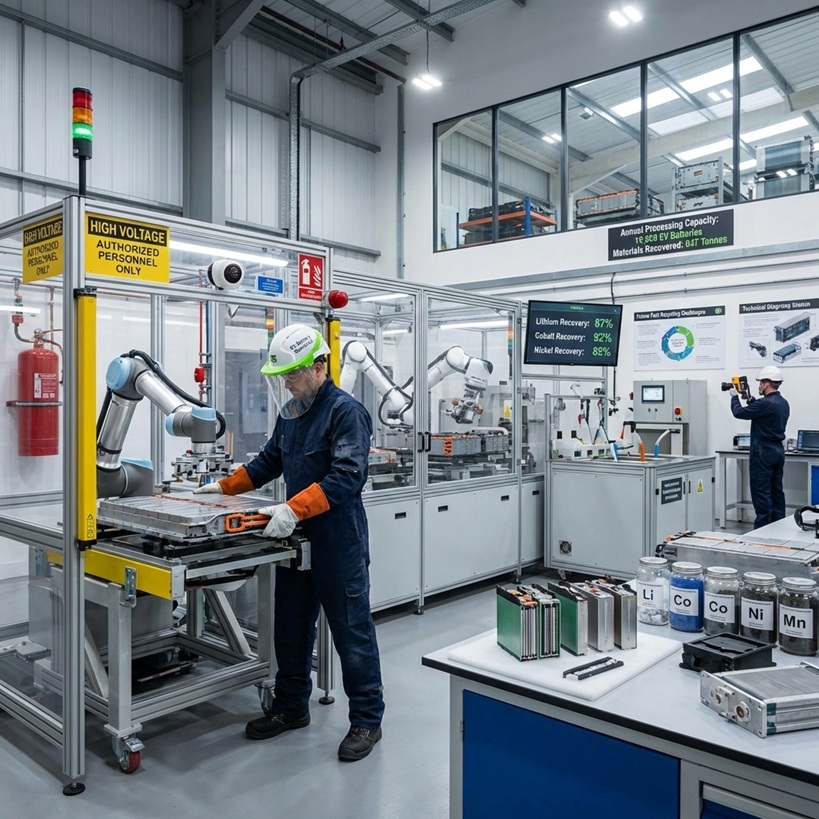
The scrap industry is adapting to handle new materials, such as lithium-ion batteries and lightweight alloys. Continuous innovation ensures recycling keeps pace with modern vehicle design.
As mobility evolves, the focus will remain on safety, compliance, and environmental protection. The future of car recycling lies in collaboration between manufacturers, recyclers, and policymakers to achieve zero-waste objectives.
For commercial fleet managers, our van recycling services already address the complexity of managing multiple end-of-life vehicles efficiently.
Actionable Next Steps
For car-sharing companies, partnering exclusively with licensed ATFs for vehicle disposal ensures legal compliance. Reviewing fleet lifecycles helps plan responsible end-of-life recycling strategies.
For individual drivers, understanding the process helps ensure proper recycling. Whether you need to obtain a vehicle valuation or arrange straightforward disposal, working with accredited services protects both legal and environmental interests.
When timing matters, our collection service operates nationwide, ensuring vehicles are collected promptly and processed according to current environmental standards.
For everyone, staying informed about trends in car recycling and sustainable mobility supports the shift towards responsible transport. Choosing accredited services ensures compliance whilst contributing to circular economy objectives.
If you have questions about fleet recycling or responsible disposal procedures, feel free to contact us for guidance.