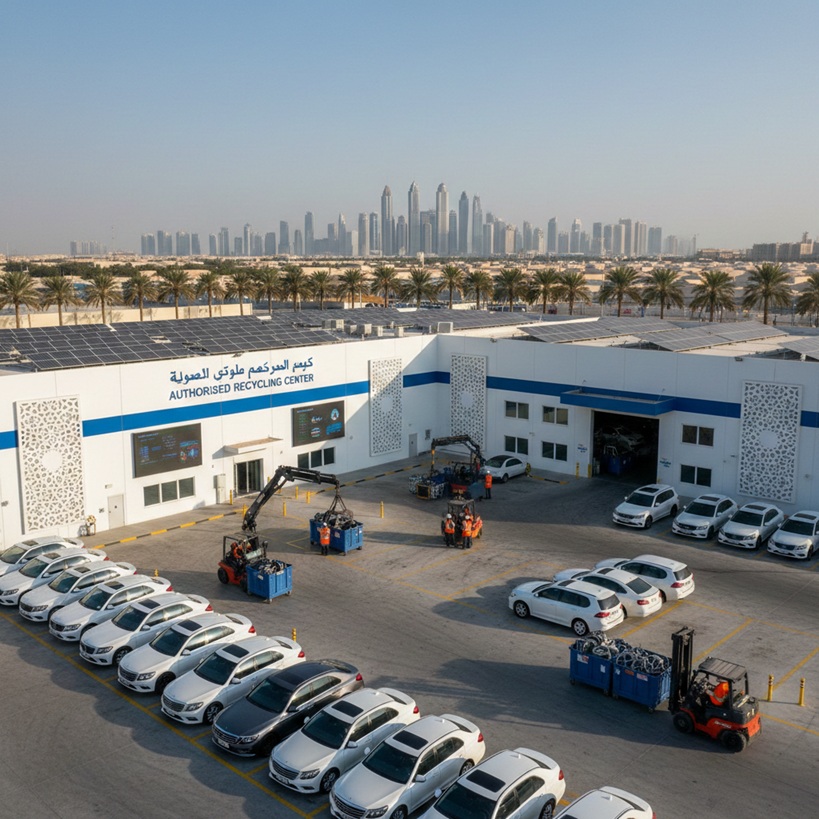
Middle East Scrap Car Market: Trends to Watch
2nd Feb, 2026
The Middle East scrap car market is undergoing rapid transformation. Once considered a secondary concern in the region’s industrial landscape, it’s now becoming a focal point for economic diversification, sustainability initiatives, and technological advancement.
Rising urbanisation, tighter environmental laws, and the global demand for raw materials are driving countries across the Gulf and beyond to re-evaluate how they handle end-of-life vehicles (ELVs). In this evolving landscape, opportunities for innovation are growing, alongside a new set of challenges. Scrap Car Network demonstrates how organised systems with certified facilities can transform vehicle disposal into an environmentally responsible process.
Key Drivers of the Middle East Scrap Car Market
Several core factors are influencing the growth of the scrap vehicle market in UAE and the wider Middle East region.
1. Economic Expansion
Nations such as Saudi Arabia, the United Arab Emirates, and Qatar are seeing strong economic development, which in turn fuels higher vehicle ownership. More new cars being sold inevitably means more cars reaching the end of their lifespan in the years ahead.
2. Government Policies
Governments are implementing stricter emission standards and vehicle inspection regimes. These measures are gradually phasing out older, less efficient vehicles, encouraging recycling and responsible disposal.
Understanding our environmentally responsible car recycling process shows how proper environmental standards create better outcomes for vehicle disposal worldwide.
3. Demand for Raw Materials
Recycled steel, aluminium, and copper remain globally valuable. The ongoing demand for metals ensures that scrap vehicles continue to hold economic worth in both local and international markets.
4. Urbanisation and Mobility Growth
As populations grow and cities expand, car ownership increases, and so does the number of ELVs requiring processing.
Key Takeaways:
- Economic growth and urbanisation are boosting vehicle numbers
- Stricter government regulations are pushing older cars off the road
- Global demand for recycled materials underpins the market’s profitability
Regional Differences and Opportunities
The Middle East scrap car market is anything but uniform. Each nation’s infrastructure, wealth, and regulatory approach significantly affect how scrap vehicles are managed and valued.
Wealthier Gulf States
Countries like the UAE, Qatar, and Saudi Arabia have faster vehicle turnover rates, leading to relatively newer scrap cars with high-value components. This makes the scrap vehicle market in UAE one of the most dynamic in the region.
Developing Markets
Meanwhile, nations such as Egypt, Jordan, and Lebanon often deal with older, heavily used vehicles that reach the recycling stage much later. Infrastructure limitations can hinder the growth of formal recycling facilities, leaving room for improvement.
I remember chatting with a fleet manager from Dubai who explained how quickly vehicles get replaced there. He said cars that would still have five good years left in the UK get scrapped simply because they’re no longer the latest model. That creates a completely different recycling market, one dealing with much newer components and higher-value materials than you’d typically see elsewhere.
Investment Opportunities
Differences in vehicle age, recycling infrastructure, and import-export capacity create opportunities for investors to develop cross-border recycling networks and introduce modern, eco-friendly processing technologies.
Key Takeaways:
- The Middle East region shows significant diversity in vehicle age and recycling infrastructure
- Wealthier nations generate newer, higher-value scrap
- Emerging markets present strong potential for infrastructure investment
Impact of Government Regulations
Policy reform is one of the most powerful forces shaping the Middle East scrap car market. Governments are taking a more active role in promoting sustainability, improving road safety, and reducing environmental pollution.
Environmental Legislation
Emissions standards are tightening, forcing the removal of high-polluting vehicles from circulation.
Safety Compliance
Regular inspections identify vehicles that no longer meet safety standards, ensuring that only roadworthy cars remain on the streets.
Trade-in and Recycling Incentives
Some governments are offering financial incentives for trading in older vehicles to promote cleaner fleets.
These measures create a clear framework for the growth of formal recycling industries. Properly managed, this can lead to job creation, foreign investment, and stronger environmental performance.
Working with our network of Authorised Treatment Facilities shows how regulatory compliance creates transparency and environmental protection.
Key Takeaways:
- Regulatory reforms encourage ethical and environmentally sound scrapping
- Incentives for newer vehicles accelerate the recycling of older models
- Consistent policy enforcement is vital for industry stability
The Role of Technology and Innovation
The global push towards smarter, cleaner recycling has made its mark on the Middle East too. The integration of technology is redefining how vehicles are collected, dismantled, and processed.
Advanced Recycling Technologies
Modern shredding and material recovery systems allow recyclers to extract more reusable metals and plastics from each vehicle.
Digital Platforms
Online marketplaces now connect car owners with certified recyclers, making it easier to get an instant quote to scrap any car and ensure legal disposal.
Data and Analytics
Big data tools are being used to forecast material flows, optimise logistics, and track compliance across supply chains.
Technology isn’t just increasing profitability. It’s ensuring that recycling aligns with international environmental standards.
Think of it like the difference between using a paper map and GPS navigation. Both might get you there eventually, but one’s far more efficient, accurate, and helps you avoid wrong turns. That’s what digital platforms and data analytics do for vehicle recycling.
Key Takeaways:
- Innovation is improving recycling efficiency and transparency
- Online tools simplify the vehicle scrapping process for consumers
- Data-driven insights help recyclers manage compliance and demand
Environmental Considerations
As sustainability becomes central to national development strategies, environmental responsibility is now a key focus in the Middle East scrap car market.
Responsible Waste Management
Recycling vehicles prevents hazardous substances such as oils, coolants, and batteries from contaminating the environment.
Resource Efficiency
Recovering materials like steel, aluminium, and plastic reduces the need for energy-intensive mining and manufacturing.
Waste Reduction
Properly dismantled and recycled vehicles significantly reduce landfill waste, contributing to circular economy goals.
Those interested in understanding comprehensive environmental standards can find out how to scrap your car easily and legally through certified channels.
Key Takeaways:
- Recycling vehicles reduces pollution and conserves resources
- Proper disposal of hazardous materials is critical to sustainability
- Environmentally responsible recycling supports a circular economy
Challenges and Opportunities
Despite its potential, the Middle East scrap car market faces several challenges, but each obstacle brings with it an opportunity for improvement.
Key Challenges
Lack of Standardisation: Regulations differ widely between countries, creating uncertainty for recyclers and exporters.
Fluctuating Commodity Prices: Global shifts in metal prices affect profitability.
Informal Sector Competition: Unlicensed operators often undercut legitimate recyclers, undermining environmental safeguards.
Opportunities for Growth
Infrastructure Investment: Expanding formal recycling networks can create employment and economic growth.
Technological Development: Introducing automation and AI-based recycling solutions can improve efficiency.
Public Education: Awareness campaigns can encourage responsible vehicle disposal and reduce illegal dumping.
Discovering the advantages of choosing responsible services demonstrates how certified networks deliver better environmental and economic outcomes.
Key Takeaways:
- Inconsistent regulations and informal competition pose challenges
- Growth opportunities lie in technology, infrastructure, and awareness
- Market stability depends on stronger oversight and collaboration
Future Outlook
The outlook for the scrap vehicle market in UAE and wider Middle East is promising. Growing economic diversification and environmental awareness are accelerating the shift toward formal recycling systems.
Growth Forecasts
Rising demand for metals and raw materials will sustain high scrap values, encouraging more recycling activity.
Regulatory Evolution
Governments are likely to adopt more standardised recycling frameworks to align with international sustainability goals.
Technological Integration
Continued investment in automation, robotics, and EV battery recycling will make operations cleaner and more profitable.
With sustainability now firmly embedded in regional policy, the industry is set for long-term expansion. Many regions now benefit from free nationwide scrap car collection services that make responsible disposal accessible regardless of location.
Key Takeaways:
- Market growth will be driven by high raw material demand and green policies
- Standardised regulations will support transparency and investment
- Advanced recycling technology will define the industry’s next phase
Actionable Next Steps
For Businesses
Invest in advanced recycling technologies, build partnerships with certified recyclers, and prioritise compliance to future-proof operations.
For Consumers
Ensure vehicles are scrapped responsibly with accredited recyclers to guarantee environmental and legal compliance.
For Policymakers
Focus on creating harmonised regulations, promoting sustainable infrastructure, and supporting industry education programmes.
Key Takeaways:
- Businesses should invest in technology and compliance
- Consumers must choose ethical, certified recycling partners
- Policymakers should drive standardisation and awareness
Conclusion
The Middle East scrap car market is entering a defining era. Economic expansion, environmental legislation, and technological innovation are combining to reshape how vehicles reach the end of their lives.
The scrap vehicle market in UAE stands out as a regional leader, setting an example in advanced recycling practices and sustainable investment. Across the wider Middle East, collaboration between governments, recyclers, and consumers will be key to achieving a cleaner, circular future.
Choosing reputable and environmentally responsible recycling partners ensures every vehicle contributes to that goal, rather than to the growing global waste problem. For guidance on responsible disposal and certified recycling processes, contact us to speak with our team.