Why Exporting Scrap Cars Isn’t Always Ethical
29th Jan, 2026
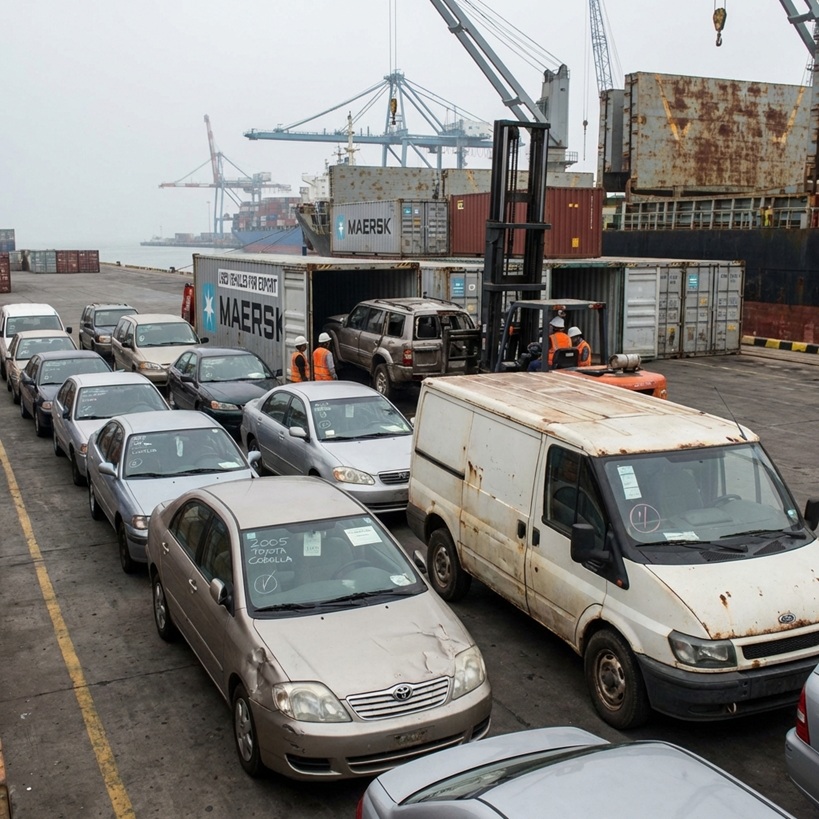
The global trade in scrap vehicles has long been seen as a practical solution to managing end-of-life cars. On paper, exporting them appears efficient: cars that no longer have value in one market can be refurbished, reused, or recycled in another. But beneath this seemingly sensible idea lies a series of ethical, environmental, and human concerns.
Understanding the ethics of exporting scrap cars means looking beyond economics and asking how these practices affect people, communities, and the planet. Scrap Car Network ensures vehicles stay within regulated systems where environmental and labour standards are maintained and monitored.
The Appeal of Exporting Scrap Cars
Exporting scrap vehicles has an undeniable financial appeal. For many sellers, sending old cars overseas offers a way to make money from something that would otherwise cost to dispose of responsibly.
In some regions, there’s continued demand for older vehicles or spare parts. These items may be obsolete in the UK but valuable elsewhere, especially in developing economies where parts are scarce and repair culture is strong.
From a distance, ethical scrap car exporting provides benefits for both sides: sellers profit, and buyers gain affordable transport or components. Yet, the global impact tells a more complex story.
Key Takeaways:
- Exporting scrap cars is often driven by economic opportunity
- Global demand exists for older vehicles and spare parts
- The practice can appear beneficial, but it hides serious ethical challenges
Environmental Impact: A Global Problem
The environmental implications of scrap car exporting are among the most serious concerns. Many of the vehicles sent abroad end up in countries with less stringent environmental regulations, where dismantling and recycling practices can cause significant harm.
Inadequate depollution procedures often result in toxic substances such as oil, coolant, lead, and mercury leaking into soil and water supplies. Air pollution from the uncontrolled burning of materials like rubber or plastics adds further damage.
This kind of export essentially shifts the problem elsewhere rather than solving it, creating pollution in regions less equipped to handle it. Understanding our environmentally responsible car recycling process demonstrates what proper depollution and dismantling should look like when done correctly.
Key Takeaways:
- Exported scrap cars often end up in countries with limited environmental oversight
- Poor recycling conditions lead to air, soil, and water contamination
- Exporting waste vehicles shifts environmental responsibility rather than resolving it
Human Rights and Labour Concerns
The ethics of exporting scrap cars extend beyond environmental harm. They also include the human cost. In many receiving countries, dismantling vehicles is often done manually in unregulated scrapyards. Workers, sometimes including children, are exposed daily to hazardous materials such as fuel residues, sharp metals, and toxic fumes.
Without adequate safety equipment or training, these individuals face long-term health problems, including respiratory issues and lead poisoning.
I knew a journalist who visited a scrapyard in West Africa years ago. He told me about young lads, maybe sixteen or seventeen, pulling apart catalytic converters with bare hands to extract the platinum inside. No masks, no gloves, breathing in dust that’ll wreck their lungs before they’re thirty. That’s the reality behind some of these “efficient” export operations.
These unsafe practices highlight the darker side of ethical scrap car exporting, where the drive for cheap recycling or reuse can exploit vulnerable workers.
Key Takeaways:
- Many scrapyard workers abroad lack protective equipment or proper training
- Hazardous exposure in informal recycling sectors poses serious health risks
- Labour exploitation and unsafe working conditions remain key ethical concerns
Legal Loopholes and Regulatory Gaps
One of the primary reasons unethical exports continue lies in regulatory loopholes and weak international oversight. Tracking exported vehicles and ensuring they are processed safely once overseas is often difficult.
Exporters may exploit grey areas in legislation, misclassifying vehicles as “used” rather than “waste” to avoid export restrictions. In other cases, shipments pass through multiple countries to obscure their final destination.
Such practices undermine environmental and human rights protections, whilst compliant recyclers are undercut by operators willing to take shortcuts. Choosing to get an instant quote to scrap any car through regulated channels ensures vehicles stay within systems that maintain proper standards.
Key Takeaways:
- Weak export oversight allows unethical practices to persist
- Vehicles are sometimes mislabelled to bypass waste-export regulations
- Stronger traceability and international enforcement are essential
What Can Be Done?
Addressing the ethics of exporting scrap cars requires global cooperation between governments, industries, and consumers.
Stricter Regulations
Governments can strengthen controls on cross-border waste movement by harmonising definitions of end-of-life vehicles and ensuring exporters verify their destinations.
Transparency in the Supply Chain
Tracking systems and export audits can make the trade more transparent. Accurate reporting and certification ensure vehicles are dismantled or reused responsibly.
Working with our network of Authorised Treatment Facilities shows how traceability and transparency protect both the environment and workers throughout the recycling chain.
International Collaboration
Stronger global frameworks, like the Basel Convention on hazardous waste, must be enforced to stop unethical exports disguised as trade.
Key Takeaways:
- Governments must close export loopholes through consistent legislation
- Transparency and traceability should be mandatory for exporters
- Cross-border cooperation can prevent unethical waste transfers
Making Ethical Choices in Car Scrapping
Every vehicle owner can play a role in reducing unethical exports. The most direct step is to work with Authorised Treatment Facilities (ATFs) that follow strict environmental standards.
These facilities are monitored under UK law to ensure vehicles are depolluted safely and recycled efficiently. By choosing a reputable service, drivers can be confident their vehicles won’t end up contributing to unsafe or unethical dismantling abroad.
Think of it like fair trade coffee. You pay a bit more attention to where your purchase ends up, and in return, you know it’s not causing harm somewhere down the line. Same principle applies to scrapping your car.
For those unsure of how to proceed, it’s easy to find out how to scrap your car easily and legally for peace of mind.
Key Takeaways:
- Choose reputable ATFs that follow strict environmental and safety standards
- Ethical scrapping prevents cars from being illegally exported or mishandled
- Individual choices help drive positive change across the industry
Encouraging Industry Responsibility
Ethical business practices must be reinforced across the industry. Exporters, dismantlers, and manufacturers all share responsibility for ensuring vehicles are disposed of properly.
Manufacturer Accountability
Introducing Extended Producer Responsibility (EPR) can make manufacturers accountable for the entire vehicle lifecycle, encouraging design changes that make recycling easier and safer.
Certification and Auditing
Scrap exporters should be certified and regularly audited to prove compliance with environmental and human rights standards.
Discovering the advantages of choosing certified services demonstrates how industry accountability creates better outcomes for everyone involved.
Industry Partnerships
Partnerships between recyclers, environmental agencies, and trusted networks can set industry-wide benchmarks for ethical behaviour.
Key Takeaways:
- Manufacturers and exporters share responsibility for vehicle end-of-life management
- Certification programmes can enforce ethical standards
- Collaborative industry action strengthens global recycling ethics
Conclusion
The ethics of exporting scrap cars go far beyond trade and profit. Whilst sending vehicles abroad can provide short-term economic benefits, the long-term consequences reveal the true cost of irresponsible exporting: environmental harm, unsafe labour, and regulatory evasion.
Every individual, business, and government has a role in promoting ethical scrap car exporting. By supporting regulated recyclers, demanding transparency, and insisting on high environmental and human standards, it’s possible to turn a damaging practice into a sustainable one.
Those looking to ensure their vehicles are recycled correctly can access free nationwide scrap car collection through trusted services that guarantee compliant processing. For guidance on responsible disposal and certified recycling, contact us to speak with our team.