North America’s Auto Recycling Boom Explained
29th Jan, 2026
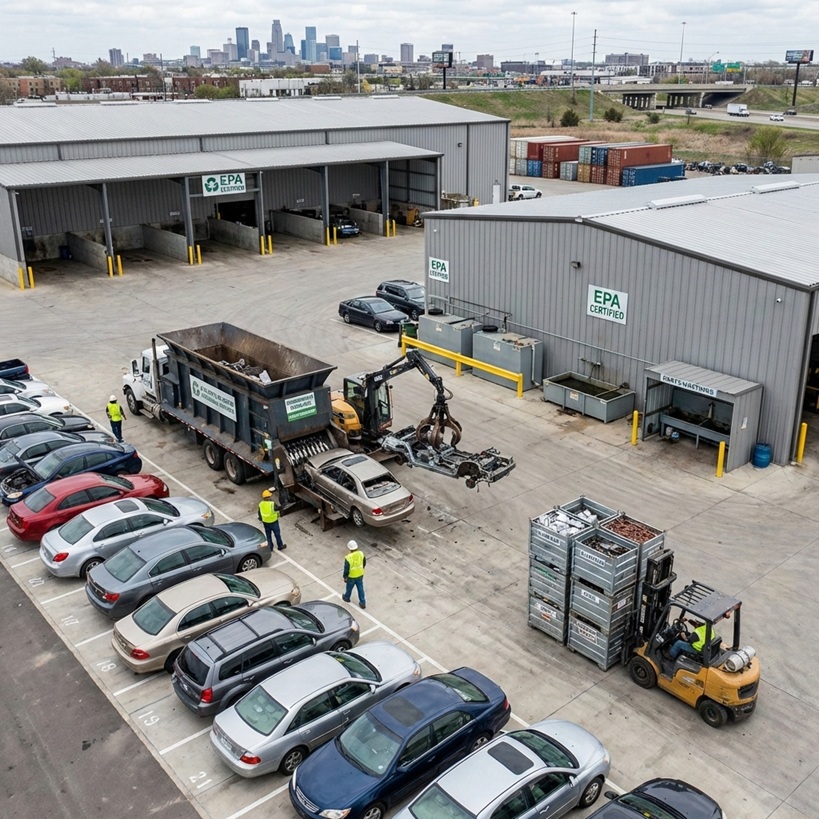
Across the continent, North America auto recycling has grown into one of the most important environmental and industrial movements of the modern era. The shift towards sustainability, paired with strong metal recovery systems and green innovation, has transformed how vehicles reach their end of life.
Every scrapped car now represents a chance to recover resources, reduce waste, and cut emissions. The region’s recycling network has become a global example of how to turn what was once considered scrap into valuable material for the future. Scrap Car Network connects vehicle owners with certified facilities that follow these same environmental principles, ensuring responsible disposal and maximum material recovery.
The Rise of Auto Recycling in North America
The US auto recycling industry and its counterparts in Canada and Mexico have evolved far beyond the scrapyard stereotype. Once dominated by manual dismantling and small-scale operations, today’s recycling facilities use advanced systems to manage millions of end-of-life vehicles every year.
What used to be a means of clearing space has become a major contributor to the circular economy. From metal recovery to eco-friendly dismantling, every stage of the process now plays a role in protecting the planet and supporting jobs.
Economic and Environmental Significance
The growing focus on sustainability has placed auto recycling at the heart of North America’s green economy. End-of-life vehicles are viewed not as waste, but as reservoirs of reusable materials. As demand for recycled metals rises, so too does the value of responsible car scrapping.
This transformation has created a multi-billion-dollar sector that reduces landfill waste, cuts greenhouse gas emissions, and supplies raw materials to manufacturing industries across the continent.
Key Takeaways:
- The North America auto recycling sector plays a vital role in sustainability and economic growth
- Modern recycling facilities process millions of vehicles every year
- The industry supports both environmental protection and job creation
Factors Driving the Auto Recycling Boom
Several forces are behind the expansion of the US auto recycling industry, from increased environmental awareness to technological innovation and shifting economic incentives.
Environmental Awareness
Growing public understanding of environmental issues has changed how people view old cars. Abandoned vehicles pose serious pollution risks, leaking oils, coolants, and other hazardous substances. Recycling prevents these pollutants from entering soil and waterways whilst conserving valuable materials for reuse.
Proper vehicle disposal through our network of Authorised Treatment Facilities ensures every hazardous material is handled according to strict environmental regulations. It’s the difference between responsible recycling and environmental damage.
Economic Incentives
Recycling vehicles offers clear financial benefits. The process recovers valuable metals such as steel, copper, and aluminium. These materials are far cheaper to reuse than to mine. Vehicle owners can also earn money for scrapping their old cars, which helps maximise recycling value whilst following environmental best practices.
Getting an instant quote to scrap any car takes just minutes and ensures you receive fair market value for your vehicle.
Technological Advancements
Technological progress has revolutionised auto dismantling and recycling methods. Modern facilities use robotic systems, magnetic separation, and automated shredding to extract maximum material from every vehicle. These improvements increase efficiency, reduce waste, and enhance profit margins.
Key Takeaways:
- Environmental responsibility drives growth in North America auto recycling
- Recovering metals offers major cost and energy savings
- Automation and technology are key to efficient, sustainable recycling
The Auto Recycling Process
Every car that enters the recycling system follows a structured, environmentally controlled process. This ensures maximum recovery of materials whilst keeping harmful waste out of the ecosystem.
1. Depollution
Before dismantling begins, hazardous fluids such as engine oil, brake fluid, and antifreeze are drained safely. Batteries, tyres, and air conditioning gases are also removed and processed according to environmental regulations. This stage prevents contamination and prepares the vehicle for further disassembly.
I remember a customer back in my workshop days who asked what actually happened to all those fluids we drained from his old Dodge. Turns out, they’re not just tipped down a drain. Each one gets processed separately. Engine oil’s refined and reused, coolant’s filtered and sold on, even the refrigerant from air-con systems gets captured and recycled. Nothing goes to waste when it’s done properly.
2. Dismantling
Once depolluted, the car is stripped of usable components. Engines, gearboxes, catalytic converters, and body panels can all be refurbished or resold. This practice supports affordability in the used car parts market, reducing the need for new production.
Those in the UK can find out how to scrap your car easily through a regulated process that mirrors the same principle of responsible dismantling driving best practice worldwide.
3. Shredding and Sorting
After reusable parts are removed, the remaining structure is shredded into small fragments. Magnetic, eddy-current, and air separation systems then sort metals and plastics. Each material is sent for recycling into new consumer and industrial products.
Think of it like separating your household recycling, but on an industrial scale. Instead of sorting paper from plastic by hand, massive machines use magnets and electric currents to pull different metals apart in seconds.
Key Takeaways:
- The recycling process involves depollution, dismantling, and shredding
- Hazardous materials are safely removed to protect the environment
- Usable parts and raw materials are recovered for reuse and resale
Materials Recovered from Auto Recycling
The US auto recycling industry recovers an extraordinary range of materials from every vehicle. Steel, aluminium, copper, rubber, and glass are all valuable for reuse in new products, from household appliances to construction materials.
Commonly Recycled Materials
Steel: The primary material in most vehicles, recycled steel drastically reduces the need for new mining.
Aluminium: Lightweight and energy-efficient to recycle, it retains quality through multiple life cycles.
Copper: Found in wiring and electrical components, copper recycling supports the electronics and energy sectors.
Plastics and Glass: Increasingly separated through advanced sorting systems and reused in manufacturing.
Understanding our environmentally responsible car recycling process shows exactly how these materials are extracted, processed, and returned to manufacturing supply chains.
Key Takeaways:
- Recycled cars yield materials essential to manufacturing and construction
- Reusing metals conserves energy and reduces carbon emissions
- Vehicle recycling minimises dependence on raw material extraction
Benefits of Auto Recycling
Environmental Benefits
Auto recycling prevents millions of tonnes of waste from entering landfills each year. It conserves natural resources, reduces pollution, and limits carbon emissions associated with raw material extraction and production.
The process also promotes circular economy principles, where materials remain in continuous use rather than being discarded. Every vehicle processed correctly contributes to cleaner air, healthier waterways, and reduced demand for environmentally damaging mining operations.
Discovering the advantages of choosing responsible recycling demonstrates how individual choices create measurable environmental benefits across entire supply chains.
Economic Benefits
The recycling industry generates significant employment and economic value. Every dismantling centre, transport company, and parts reseller contributes to local economies. The sector also provides affordable replacement components, helping vehicle owners maintain older cars more sustainably.
Key Takeaways:
- Auto recycling supports global carbon reduction and conservation efforts
- It provides job opportunities and contributes to national economies
- Affordable recycled parts reduce maintenance costs for drivers
Challenges Facing the Auto Recycling Industry
Despite impressive growth, the North America auto recycling sector faces obstacles that require ongoing attention.
Fluctuating Metal Prices
Global metal markets heavily influence recycling profits. Sharp declines in steel or aluminium prices can reduce margins for recyclers, making operations less predictable. Businesses must manage risk through diversification and efficiency improvements.
Regulatory Compliance
Environmental and safety regulations vary across states and provinces. Ensuring compliance across such a vast area can be complex, especially for smaller operators. Collaboration between industry groups and government bodies remains crucial for standardisation.
Illegal or Non-Compliant Practices
As with any profitable industry, there are risks of unlicensed operators or improper disposal methods. These activities harm legitimate businesses and can cause environmental damage. Stronger enforcement and public education are key to maintaining industry credibility.
Key Takeaways:
- Volatile metal prices affect profitability
- Regulatory consistency is essential for sustainable growth
- Illegal practices threaten both the environment and industry trust
The Future of Auto Recycling in North America
The US auto recycling industry continues to evolve rapidly. Technological advances, sustainability goals, and changing consumer habits point towards even greater efficiency in years to come.
Advanced Recycling Technologies
Artificial intelligence and robotics will continue to improve dismantling accuracy and material recovery. Electric vehicle battery recycling, in particular, is set to become a major focus as EV adoption increases across North America.
Sustainability and Circular Economy Goals
Recycling is no longer just a waste management solution. It’s a critical part of the green transition. Governments and manufacturers are integrating circular economy principles into policy and production, ensuring materials are reused rather than discarded.
Key Takeaways:
- Technological innovation will drive higher recycling efficiency
- Electric vehicle batteries will create new recycling opportunities
- Sustainability and circular economy frameworks will shape the future of the industry
What You Can Do: Supporting Responsible Recycling
Every vehicle owner can contribute to cleaner, safer recycling systems. When it’s time to dispose of a car, the responsible choice is to scrap it through an approved network.
Vehicles handled properly are processed through certified facilities, guaranteeing proper depollution and recycling standards. Many services now offer free nationwide scrap car collection, making responsible disposal convenient and accessible regardless of your location.
Key Takeaways:
- Use trusted, regulated services for scrapping vehicles
- Responsible recycling supports sustainability and earns fair value
- Certified treatment facilities ensure safe environmental practices
Conclusion
The North America auto recycling sector has evolved into a cornerstone of sustainable industry. Through technology, innovation, and environmental commitment, it has transformed end-of-life vehicles into sources of value and opportunity.
Challenges such as fluctuating metal markets and regulatory inconsistencies remain, but the long-term outlook is strong. The US auto recycling industry continues to prove that environmental responsibility and economic progress can work hand in hand.
By promoting responsible recycling and learning from established networks, every region can take steps towards a cleaner, more resource-efficient future. For guidance on proper vehicle disposal or to learn more about certified recycling processes, contact us to speak directly with our team.