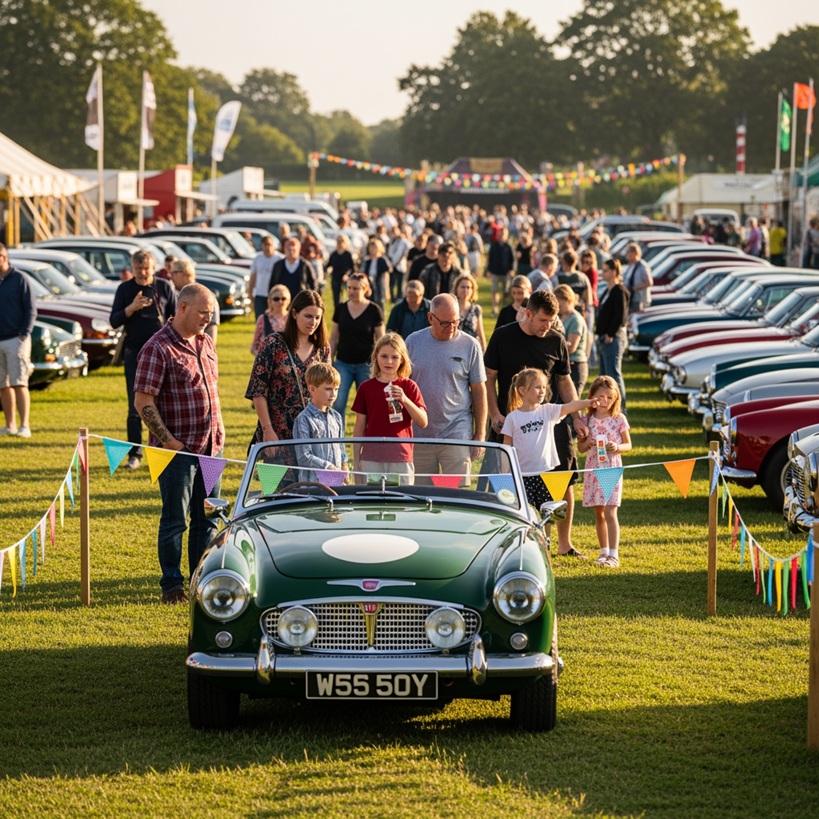
When Old Cars Become Festival Attractions
20th Jan, 2026
Across the UK, classic vehicles have become more than nostalgic symbols of a bygone era; they’re now cultural icons and creative centrepieces at events. The growing popularity of old cars at festivals reflects a wider appreciation for heritage, design, and sustainability.
From elegant British classics to quirky retro motors, these vehicles add character, history, and style to modern festivals. Whether displayed as part of themed exhibits or incorporated into cars in festival installations, vintage motors are capturing the imagination of organisers and visitors alike.
The Allure of Vintage Vehicles
Classic cars evoke a sense of nostalgia and admiration that few modern machines can match. Their craftsmanship, design, and individuality represent a period when motoring was both art and engineering. Each scratch, dent, and patina tells a story of its time on the road.
When showcased at festivals, these vehicles become more than exhibits; they are living history. Visitors connect emotionally with them, recalling eras when motoring embodied freedom and adventure.
Key Takeaways:
- Old cars highlight history, craftsmanship, and design heritage.
- Vintage vehicles create an emotional connection with festival visitors.
Creative Displays and Themes
Transforming a group of vintage vehicles into a memorable attraction takes more than simply parking them in a field. Thematic design, ambience, and presentation turn static displays into immersive experiences.
Thematic Concepts
Organisers can use a variety of creative approaches to enhance engagement:
- Decade Displays: Showcase “Cars of the 1950s” or “Motors of the Swinging Sixties,” complete with music and décor from the era.
- British Classics Showcase: Feature iconic models such as the Jaguar E-Type, Mini, or Austin-Healey alongside Union Jack banners and heritage signage.
- Motorsport Heritage Zone: Celebrate racing history with vintage helmets, pit-stop props, and engine sound effects for added authenticity.
Integrating Art and Design
Partnering with local artists or design collectives can add visual depth. Sculptures made from recycled vehicle parts, murals inspired by automotive shapes, or live graffiti installations contribute to a vibrant and modern aesthetic.
To explore how scrap materials can be reused artistically, learn about our environmentally responsible car recycling process.
Lighting and Ambience
Lighting dramatically enhances visual impact. Spotlights can accentuate chrome details, while ambient fairy lights or LED accents create atmosphere during evening events. A well-lit setup can turn a simple display into a cinematic scene.
Key Takeaways:
- Themed exhibitions create immersive experiences.
- Art and design integration add visual creativity.
- Strategic lighting enhances presentation and atmosphere.
Interactive Exhibits
Modern audiences expect more than passive observation, they want hands-on experiences. Interactive elements make old cars at festivals both educational and entertaining.
Restoration Demonstrations
Live restoration shows can captivate audiences by demonstrating how classic vehicles are restored to former glory. Mechanics or restorers can perform panel polishing, paint correction, or part installation on-site, offering insight into the dedication behind automotive preservation.
Photo Opportunities
Curated photo zones allow visitors to pose with classic vehicles. Adding props such as vintage petrol pumps or mechanics’ overalls provides context and encourages social media sharing, expanding event visibility.
Driving Simulators
For a safe yet thrilling experience, simulators can recreate the sensation of driving a classic model. Visitors can virtually navigate historic racetracks or scenic routes, blending nostalgia with modern technology.
Key Takeaways:
- Interactive exhibits increase visitor participation.
- Restoration demos and simulators enhance engagement.
- Photo areas promote event exposure and community connection.
The Environmental Angle
Beyond nostalgia and style, showcasing cars in festival installations also presents an opportunity to promote environmental responsibility.
Promoting Sustainable Practices
Festival organisers can highlight recycling and upcycling efforts by displaying creative uses of old car parts. Examples include:
- Furniture from Car Seats: Chairs or sofas crafted from reupholstered interiors.
- Lighting Fixtures: Lamps made from headlights or taillights.
- Decorative Sculptures: Artworks welded from discarded metal panels or exhausts.
To see how such materials can be sourced ethically, discover how to scrap your car easily and legally through Scrap Car Network.
Partnering With Recycling Companies
Collaborating with an established recycling network ensures accurate information and compliance. Partnering with Scrap Car Network or one of our Authorised Treatment Facilities provides visitors with credible insight into how responsible car disposal works.
Educational signage or live Q&A sessions about recycling help visitors appreciate how sustainability connects with automotive history.
Key Takeaways:
- Festivals can promote recycling and environmental awareness.
- Upcycled art and furniture demonstrate practical reuse.
- Collaboration with recycling experts enhances authenticity.
The Scrapping Process
Understanding what happens to vehicles at the end of their life adds depth to festival exhibits focused on sustainability.
Step-by-Step Process
- Fluid Removal: Oils, fuels, and coolants are drained to prevent pollution.
- Component Recovery: Reusable parts such as wheels, mirrors, and engines are salvaged for resale.
- Metal Processing: The remaining shell is crushed and melted for reuse in new manufacturing.
This circular process demonstrates how scrap vehicles contribute to resource conservation rather than waste. Visitors can understand our environmentally responsible car recycling process for further details.
Legal Compliance
Every scrapping operation in the UK must comply with DVLA regulations. Vehicle owners are required to complete a V5C form and receive a Certificate of Destruction. Detailed guidance is available in our article on notifying the DVLA when you sell or scrap your car.
Key Takeaways:
- The scrapping process involves safe recycling and reuse.
- Compliance with DVLA regulations ensures legal responsibility.
- Recycling transforms waste into valuable new resources.
Finding the Right Cars
Curating the right selection of vehicles is critical to the success of old cars at festivals. Authenticity, condition, and variety all influence visitor appeal.
Auctions and Online Marketplaces
Specialist auctions, both local and online, are prime locations for sourcing vintage vehicles. Collectors often sell well-preserved classics through reputable platforms. Research and negotiation are key when evaluating condition and value.
Community Outreach
Community engagement is another effective method for sourcing display vehicles. Local owners often welcome the opportunity to showcase their cars, especially when events promote preservation and sustainability.
Working With Collectors
Collaborations with classic car clubs or collectors add credibility and depth. These enthusiasts often have extensive knowledge and may even assist in vehicle transportation and presentation.
Key Takeaways:
- Vehicle selection defines the quality of a festival exhibit.
- Community involvement fosters authenticity and collaboration.
- Working with collectors ensures diversity and expertise.
Safety and Logistics
Safety remains a top priority for any public event involving vehicles. Proper planning and logistics protect both displays and visitors.
Securing Vehicles
Every car should be stabilised using wheel chocks, barriers, or safety stands. Protective fencing and signage prevent unauthorised access while maintaining visibility.
Crowd Management
Designated walkways, clear signage, and dedicated staff help guide visitors smoothly. Crowd flow management prevents congestion and improves visitor experience.
Insurance and Permits
Comprehensive insurance and local authority permits are essential. Confirm coverage for potential accidents or damage. Guidance from the council ensures full compliance with public event regulations.
Key Takeaways:
- Vehicle security and crowd management are vital for safety.
- Adequate insurance and permits ensure legal protection.
- Well-organised logistics enhance the overall visitor experience.
Promoting the Attraction
Even the most impressive cars in festival installations require effective promotion to reach an audience. Strategic marketing builds anticipation and attendance.
Social Media
Use platforms such as Instagram, Facebook, and TikTok to share teaser images and behind-the-scenes preparation. Dedicated event hashtags help spread awareness and encourage user-generated content.
Local Media
Collaborate with local newspapers, community radio, and regional television. Feature stories about rare or unique vehicles attract interest from both car enthusiasts and general audiences.
Partnerships
Partnering with nearby businesses increases community engagement. Restaurants, pubs, or cafés can host complementary events such as “Vintage Vehicles and Local Flavours.” Collaboration promotes both the festival and local commerce.
Key Takeaways:
- Digital promotion drives visibility and excitement.
- Media coverage boosts credibility and reach.
- Business partnerships enhance community participation.
Case Studies: Successful Vintage Exhibits
Several established events demonstrate how old cars at festivals can transform local gatherings into major attractions.
Goodwood Revival (United Kingdom)
One of the most renowned vintage car events, Goodwood Revival recreates the glamour and style of mid-20th-century motorsport. Classic race cars, period clothing, and music transport visitors to another era.
Pebble Beach Concours d’Elegance (United States)
Held in California, this event celebrates rare and prestigious classic vehicles. It combines luxury, design, and innovation, an inspiration for organisers worldwide.
Regional Example: “Wheels and Wings”
Regional and village festivals across the UK frequently incorporate small-scale classic car exhibitions, often alongside aviation or community themes. These displays attract diverse audiences, from families to dedicated enthusiasts.
Key Takeaways:
- High-profile events set benchmarks for quality and creativity.
- Local festivals can adapt classic car displays to fit their scale.
- Success relies on atmosphere, detail, and authenticity.
Future Trends in Vintage Vehicle Attractions
The next evolution of cars in festival installations will blend technology, sustainability, and creativity.
Virtual Reality Experiences
Virtual reality enables visitors to experience driving classic models on historic circuits or scenic routes. These immersive technologies extend accessibility for younger audiences.
Electric Conversions
As electric mobility grows, converting classic cars to electric power merges nostalgia with innovation. Exhibiting converted vehicles highlights environmental progress and technological adaptation.
Customisation and Modification
Customised and modified classics showcase individual creativity. Exhibitions celebrating artistic modification demonstrate how old vehicles continue to evolve as design statements.
Key Takeaways:
- Virtual and digital experiences increase engagement.
- Electric conversions align tradition with sustainability.
- Customised builds keep the culture of classic cars evolving.
Conclusion: Preserving Heritage, Promoting Sustainability
The inclusion of old cars at festivals symbolises more than nostalgia; it represents a balance between preserving heritage and embracing sustainability. These vehicles tell stories of innovation, community, and craftsmanship, reminding audiences that progress need not come at the expense of history.
Through responsible recycling, collaboration, and creativity, festivals can inspire both car enthusiasts and environmental advocates. Those planning similar events can connect with our network of Authorised Treatment Facilities or get in touch to learn how Scrap Car Network supports sustainable automotive practices.