How Car Parts Inspire Furniture and Home Décor Trends
17th Jan, 2026
Across the UK, a new wave of sustainable design is reshaping how people view both vehicles and interiors. What once filled scrapyards and garages is now finding its way into homes, offices, and studios as car part furniture décor.
This trend is part of a larger global movement towards upcycling, transforming discarded materials into functional, beautiful, and meaningful objects. For car enthusiasts, designers, and eco-conscious homeowners, the result is a creative bridge between mechanical engineering and modern aesthetics.
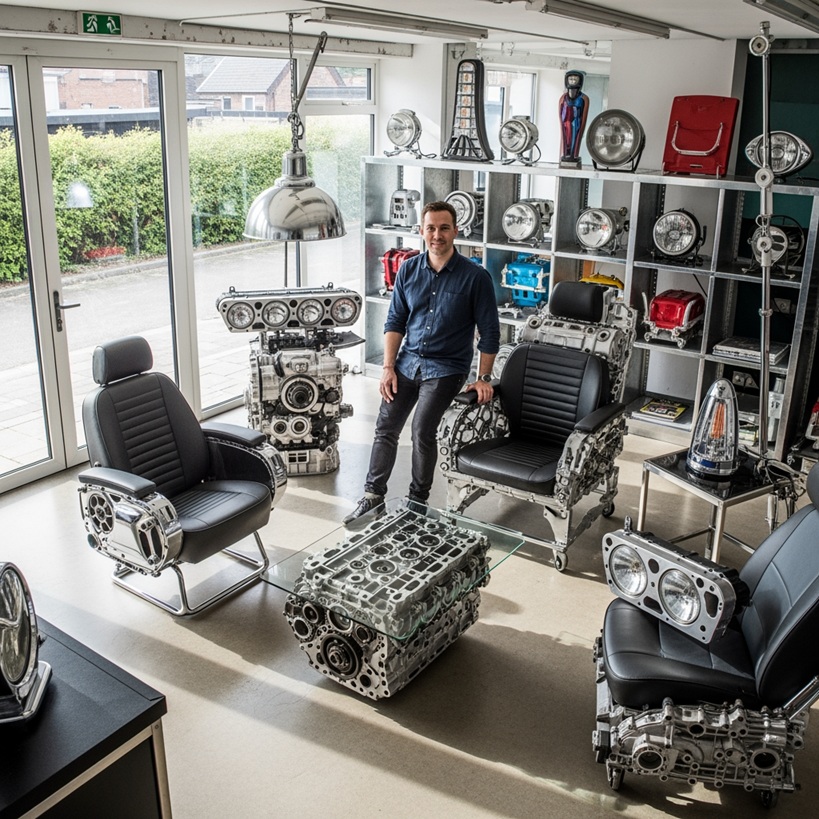
Whether it’s a coffee table crafted from an engine block, lighting fixtures made from headlights, or seating inspired by leather car interiors, automotive-inspired furniture is redefining what sustainable design can look like.
From Junkyard to Jewel: The Rise of Upcycled Car Parts
Upcycling turns waste into wonder. It’s about breathing new life into materials that have already served a purpose. In the world of home décor, car parts have emerged as some of the most versatile and characterful materials available.
Rather than letting old cars end up as rusted heaps, upcycling allows their components to be reimagined as striking furniture or statement pieces. When handled responsibly, this process reduces waste, conserves resources, and celebrates craftsmanship.
Through Scrap Car Network’s nationwide services, it’s easier than ever to get an instant quote to scrap any car and ensure that every part of a vehicle is handled sustainably, whether recycled, reused, or repurposed.
Key Takeaways:
- Upcycling transforms unwanted materials into valuable creations.
- Car parts can be reused in functional and decorative ways.
- Sustainable recycling reduces environmental impact.
Why Car Parts? More Than Just Aesthetics
There are practical and aesthetic reasons why designers are increasingly turning to automotive-inspired furniture.
Durability: Most car components are built from materials like aluminium, steel, glass, and leather, all of which are highly resilient and long-lasting.
Industrial Appeal: The raw, mechanical look of car parts gives them a rugged charm that complements both contemporary and industrial décor styles.
Environmental Responsibility: Reusing existing materials prevents waste, reduces manufacturing emissions, and supports a circular economy.
Cultural Connection: For many, cars symbolise innovation and engineering excellence. Bringing that legacy into a living space is both a design statement and a nod to automotive heritage.
Key Takeaways:
- Car parts are durable and built to last.
- Their design offers industrial and contemporary appeal.
- Upcycling supports eco-conscious, sustainable living.
Standard Car Parts Used in Furniture Design
Different car components lend themselves to different creative applications. Some provide structure, others add visual flair.
Engine Blocks: The Heart of a Table
Engine blocks have become a staple in car part furniture décor. Once responsible for powering vehicles, they now serve as solid and distinctive table bases. A polished or painted engine block topped with glass creates a centrepiece that balances strength with style.
For anyone exploring sustainable vehicle disposal, discover the advantages of choosing Scrap Car Network, a trusted platform for responsibly recycling and reclaiming materials.
Car Seats: Comfort and Style Combined
Leather or fabric car seats are designed for ergonomic comfort, making them ideal for conversion into armchairs or even home theatre seating. Reupholstered in sustainable materials, they blend luxury with eco-friendliness.
Headlights and Taillights: Illuminating Ideas
Car lights naturally lend themselves to creative lighting design. When rewired safely, they make excellent wall sconces, pendant lights, or table lamps. Their reflective lenses and unique shapes create a bold visual statement.
Tyres: Function and Flexibility
Tyres are among the most durable materials available. When cleaned and wrapped in rope, fabric, or recycled rubber, they make long-lasting ottomans, stools, or garden furniture.
Key Takeaways:
- Engine blocks and car seats provide strong structural elements.
- Headlights and taillights inspire innovative lighting design.
- Tyres are ideal for sustainable seating or outdoor décor.
Examples of Car Part Furniture and Décor
To understand the creative potential of automotive-inspired furniture, it helps to see how different materials can be used in everyday spaces.
Engine Block Coffee Table
The classic engine block coffee table remains a favourite among upcycling enthusiasts. Polished metal paired with a clear glass top adds both function and sophistication to living rooms or offices.
Reupholstered Car Seat Chair
An old leather seat reimagined as an office or reading chair combines comfort with sustainability. Mounted on a swivel or fixed base, it makes a practical, stylish addition to home workspaces.
Headlight Wall Sconce
Mounted headlights can be turned into wall sconces, combining the visual drama of automotive design with functional lighting. They work well in hallways, dining rooms, or creative studios.
Tyre Ottoman
Tyres wrapped in sisal rope or fabric create durable and comfortable ottomans. Perfect for indoor use or as rugged outdoor seating, they blend eco-conscious design with practicality.
For inspiration on how vehicles can be safely dismantled and reused, learn more about our network of Authorised Treatment Facilities, which ensure that every car is processed responsibly.
Key Takeaways:
- Engine block coffee tables provide structure and style.
- Reupholstered seats offer comfort with a sustainable twist.
- Car lights can transform interiors with industrial flair.
- Tyres make robust, long-lasting furniture pieces.
Where to Find Car Parts for Upcycling
Accessing the right materials is essential when creating car part furniture décor. Fortunately, there are several reliable and sustainable options available.
Scrap Yards: A Treasure Trove of Materials
Scrap yards remain the best place to source vehicle components. They offer everything from small fittings to full panels and engines. Working with approved facilities ensures all parts are legally obtained. You can connect with our network of Authorised Treatment Facilities for compliant sourcing.
Online Marketplaces: The Digital Junkyard
Websites such as eBay, Facebook Marketplace, and Gumtree are convenient options for locating specific parts without the need for on-site visits. Always verify listings and check seller ratings before purchasing.
Local Mechanics: Hidden Resources
Mechanics often have old or replaced parts that can be reused for creative projects. A simple enquiry can uncover valuable materials that would otherwise be scrapped.
If you are planning to retire a vehicle, you can find out how to scrap your car easily and legally through Scrap Car Network’s service, ensuring responsible disposal and potential reuse of materials.
Key Takeaways:
- Scrap yards offer extensive and affordable materials for upcycling.
- Online marketplaces provide convenience and variety.
- Local garages are useful sources for small or unique parts.
Tips for Working With Car Parts
Before starting a project, preparation and safety are essential. Working with metal, glass, and rubber demands care and the right approach.
Safety First
Always wear gloves, goggles, and sturdy footwear. When working with electrical components or lights, ensure all wiring is safely disconnected before modification. If welding or cutting metal, use a mask and operate in a ventilated area.
Cleaning and Preparation
Most car parts are covered in grease, dirt, and residue. Use a degreaser and a wire brush to remove grime, followed by light sanding to eliminate rust or corrosion. This improves both appearance and adhesion for paint or coatings.
Modification and Assembly
Cutting, welding, and joining are common techniques in automotive-inspired furniture projects. Measure carefully and pre-plan assembly to ensure balance and stability. For large pieces, consider seeking assistance from professionals or certified welders.
Key Takeaways:
- Proper safety gear and workspace setup are crucial.
- Clean and prepare materials before painting or welding.
- Careful assembly ensures quality and durability.
Sustainability and the Circular Economy
Upcycling plays a vital role in the circular economy, which focuses on reducing waste and reusing materials to minimise environmental impact. Turning car components into décor prevents usable materials from entering landfills and reduces demand for new manufacturing.
The environmental benefits extend beyond recycling. Every time a car component is repurposed, the carbon emissions associated with new production are avoided. By participating in car part furniture décor, individuals actively contribute to resource conservation and energy efficiency.
To learn more about sustainable practices in the automotive industry, explore how Scrap Car Network supports responsible processing through our environmentally responsible car recycling process.
Key Takeaways:
- Upcycling supports sustainability and reduces waste.
- Car part reuse contributes to a cleaner, circular economy.
- Recycling and creativity can coexist to protect the environment.
Personalisation and Customisation
Another appealing element of automotive-inspired furniture is its flexibility. Every project can be customised to reflect the creator’s style and the home’s overall design.
- Colour Choices: Polished chrome or matte black finishes highlight industrial elegance.
- Material Mixing: Combine metal and wood for warmth or pair leather and glass for a modern aesthetic.
- Size Adaptation: Tailor the scale of each piece to suit the room’s dimensions.
This creative freedom makes upcycled furniture both personal and meaningful. Each item tells a story, not of the past life of a car, but of responsible design and reinvention.
If you’re exploring local options, such as scrapping your car in Preston, you might also find nearby artisans who specialise in custom upcycling and automotive décor.
Key Takeaways:
- Upcycled furniture allows complete design freedom.
- Combining materials enhances creativity and texture.
- Regional specialists can assist with custom automotive décor.
Collaboration Between Designers and Mechanics
The upcycling movement has encouraged collaboration across industries. Designers bring creative concepts and artistic vision, while mechanics contribute technical expertise in handling and modifying metal components.
This partnership ensures that each piece of car part furniture décor is both aesthetically striking and structurally sound. It also highlights the importance of skilled craftsmanship in sustainable innovation.
As more people embrace eco-friendly lifestyles, partnerships between design studios, recyclers, and mechanics are expected to expand, further connecting the creative sector with the circular economy.
Key Takeaways:
- Collaboration blends artistic creativity with technical precision.
- Partnerships support safe, innovative, and sustainable production.
- Skilled craftsmanship strengthens the credibility of upcycled design.
The Future of Automotive-Inspired Design
The future of automotive-inspired furniture looks bright as sustainability becomes a central value in design culture. Public interest in upcycled interiors continues to grow, driven by eco-conscious consumers and advances in recycling technology.
In the coming years, expect to see:
- Dedicated Upcycling Studios: Spaces where designers and recyclers work side by side.
- Exhibitions and Galleries: Celebrating industrial design and environmental creativity.
- Corporate Partnerships: Automotive manufacturers supporting circular economy design projects.
Scrap Car Network supports this future by ensuring vehicles are processed responsibly, with reusable materials made available for artistic and functional use. To learn more, see our commitment to compliant processing through our ATF partners.
Key Takeaways:
- Automotive design inspires sustainable innovation in home décor.
- Collaboration between recyclers and designers is shaping future trends.
- Responsible recycling underpins long-term environmental progress.
Next Steps
- Brainstorm ideas for your own car part furniture décor projects.
- Visit local or online scrap yards for reusable materials.
- Collaborate with designers or mechanics for expert support.
- Get in touch for advice on scrapping or recycling your car.
Through responsible creativity and sustainable practice, every discarded car can become part of something extraordinary, a table, a chair, or even a lamp that tells the story of innovation and care for the planet.
For simple, eco-friendly vehicle recycling, Scrap Car Network offers nationwide collection and full compliance with environmental standards.