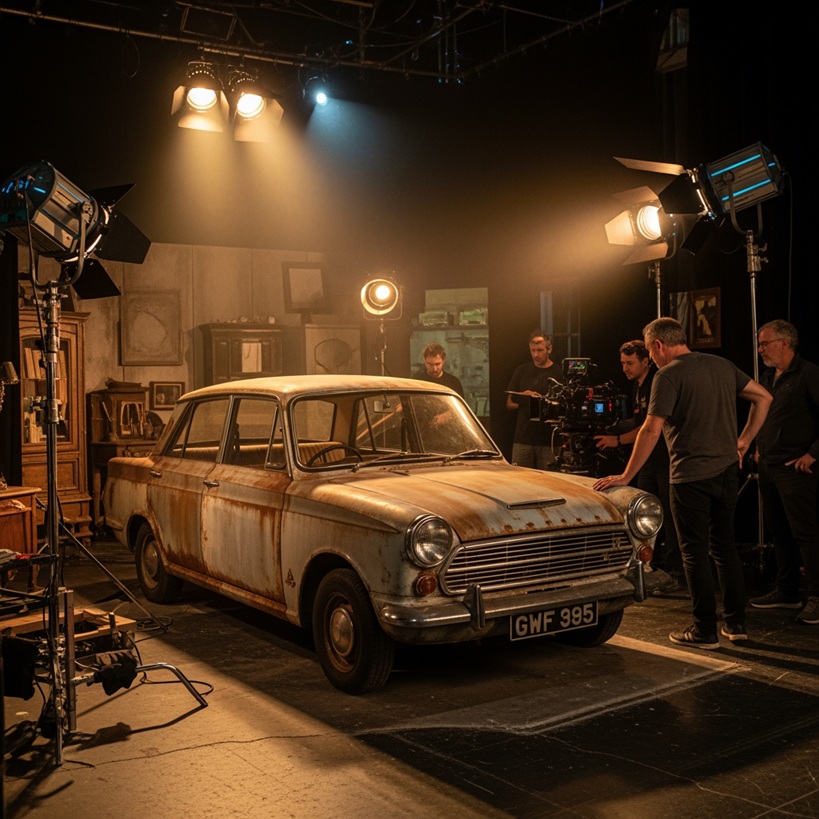
Using Old Cars in Theatre or Film Props
3rd Dec, 2025
A Creative Twist on Automotive Recycling
Sustainability meets innovation in a remarkable shift happening across the arts world. The idea of upcycling old vehicles is turning heads amongst set designers and production teams. Instead of consigning an ageing car to the scrapyard, visionary artists and set designers are transforming these relics into captivating set pieces. Whether it’s for a stage production or a film set, the use of old cars in theatre props and car props in movies not only adds authenticity and depth to a project but also champions an eco-friendly approach to creativity.
The Appeal of Using Old Cars as Theatre and Film Props
Repurposing vehicles for theatre or film props brings a range of benefits that make it an attractive option for creative projects. In my years around the industry, I’ve seen some truly remarkable transformations – motors that seemed destined for the crusher becoming the stars of the show.
Authenticity and Visual Impact
There’s a unique charm in using a vintage car, with its weathered textures and historical design, to evoke a specific period or mood on stage or screen. Many productions benefit from the realism imparted by incorporating actual automotive artefacts. The authentic patina on a properly aged saloon simply can’t be replicated with fibreglass mockups.
The approach aligns beautifully with responsible car recycling principles, though it takes creativity to an entirely different level by preserving the vehicle’s character for artistic purposes.
Cost-Effectiveness
New props can be prohibitively expensive, but by upcycling an old car, you can create one-of-a-kind pieces at a fraction of the cost. Understanding scrap car prices can help production companies compare the financial return from traditional scrappage versus the value of creating distinctive theatrical vehicle props that could serve multiple productions.
The approach is particularly smart for low-budget productions seeking to achieve high visual impact without breaking the bank.
Sustainability
Repurposing an old car through film set car conversions is an environmentally sound decision. It reduces waste by recycling materials that would otherwise contribute to landfill, and it embraces a culture of creative reuse that’s increasingly valued across the entertainment industry.
Using old cars in theatre props and car props in movies isn’t only about saving money – it’s a statement about innovation and environmental stewardship that resonates with modern audiences.
Evaluating Your Car’s Suitability for Conversion
Before transforming your vehicle into a stage production vehicle or cinematic car prop, it’s essential to assess whether your car has the potential to become an effective upcycled piece:
Structural Integrity: Check the car’s frame and body for any significant damage. Whilst a bit of wear might add character, major structural issues could require costly repairs before you proceed with your theatrical vehicle props project.
Visual Appeal: Consider whether the car has distinctive design elements or vintage charm that would enhance your project. Unique features like a classic grille or ornate details can elevate its aesthetic value significantly.
Salvageable Parts: Identify which components of your car could be repurposed – such as doors, windows, or engine parts. Any valuable mechanical components you don’t need for the production could potentially be sold through authorised scrap car dealers to offset production costs.
Production Requirements: Consider the specific needs of your production – whether the vehicle needs to be mobile, static, or partially dismantled for creative vehicle staging purposes.
A professional appraisal can also be useful in determining your car’s upcycling potential and helping you make an informed decision about its suitability for performance art.
Planning and Designing Your Conversion Project
A successful project starts with a solid plan. Follow these steps to turn your old car into an eye-catching theatrical vehicle props piece or cinematic car prop:
Develop Your Vision
Decide on the role your vehicle will play within the production. Whether it’s a focal piece in a period drama or a futuristic element in an experimental film, your vision will guide every design decision. The more specific you are about the car’s purpose, the better the final result.
Sketch Your Layout
Draw a rough plan of how to utilise different parts of the car. Perhaps the engine compartment becomes a dramatic stage element, or the car’s doors serve as frames for projected images. Consider sightlines from various audience positions and camera angles.
List Materials and Tools
Organise all required supplies for your film set car conversions:
- Cleaning agents and rust removers
- Paint and decorative finishes
- Insulation materials (if needed)
- Welding gear and cutting tools
- Safety equipment (gloves, goggles, masks)
- Additional decorative elements
- Weatherproofing materials
A well-prepared materials list ensures that your project progresses smoothly and stays on budget.
Plan for Safety and Durability
Ensure your design is structurally sound and safe for on-set use. Incorporate elements like proper drainage, secure fittings, and weather-resistant finishes where needed. Look, I’ve always told production teams that safety comes first – no performance is worth risking injury over a dodgy prop.
Step-by-Step Guide to Converting Your Car
Clean and Prepare the Vehicle
A meticulous cleaning is the first step. Remove all dirt, debris, and rust from the car’s exterior and interior to ensure you have a clean working surface for your stage production vehicle transformation.
Dismantle and Salvage Parts
Carefully dismantle non-essential parts that might interfere with your design. Retain those components that add to the vehicle’s character – such as the car’s distinctive grille, panels, or vintage trim. This process sets the stage for creating compelling old cars in theatre props and car props in movies.
Modify and Reinforce
Using basic tools and, if necessary, professional assistance, begin modifying the vehicle:
Cutting and Reshaping: Remove sections that aren’t needed, and reshape parts that can serve as creative visual elements. Consider how the vehicle will be viewed from different angles.
Welding and Reinforcement: Ensure that any modifications maintain structural integrity. Reinforce the frame and critical support areas for added durability, especially if the prop will need to withstand repeated performances.
Assemble Your Design
Based on your layout, start assembling your upcycled components for your creative vehicle staging:
Installation: Fix salvaged parts into place according to your plan. For example, mount a carved panel as a backdrop or install a reimagined engine compartment as a unique structural element that serves the narrative.
Finishing Touches: Apply waterproof coatings, decorative paint, and other finishes. Enhance your design with additional artistic details to create a cohesive look that serves the production’s artistic vision.
Final Review and Maintenance
Once your conversion is complete, do a thorough review to ensure everything is securely fixed and aesthetically pleasing. Plan for periodic maintenance and updates to preserve your creative work over time, especially if the theatrical vehicle props will be used across multiple performances.
Real-Life Inspirations: Successful Upcycling Projects
Across the UK, many artists and designers have harnessed the potential of old vehicles to create stunning cinematic car props and stage pieces. One notable project transformed a vintage Morris Minor into a dramatic set piece for a local theatre production, seamlessly integrating weathered metal and striking design into the performance space. The car became a character in its own right.
Another success story involved the conversion of an old Ford Cortina into a multifaceted prop for a period film set in 1970s Britain. The carefully preserved details accentuated the production’s historical authenticity whilst modifications allowed camera crews to capture angles that would be impossible with an intact vehicle.
A particularly memorable production saw a classic Mini transformed into a centrepiece for a West End musical. The film set car conversions preserved the vehicle’s iconic design whilst internal modifications allowed it to house sound equipment and lighting controls, making it both a visual and functional element.
These inspiring examples highlight the immense creative potential in using old cars in theatre props and as car props in movies, proving that what some see as obsolete can be reborn as a work of art that captivates audiences night after night.
When Traditional Scrappage Makes More Sense
Whilst old cars in theatre props offer wonderful possibilities for suitable vehicles, there are situations where traditional scrappage is the more practical choice:
Severely Damaged Vehicles: If the car lacks the structural integrity or aesthetic elements needed for performance art, scrapping your car through proper channels ensures responsible disposal.
Production Timeline Constraints: If you need immediate vehicle disposal rather than a lengthy conversion process, convenient scrap car collection services provide a hassle-free alternative.
Legal Requirements: Regardless of whether you’re creating car props in movies or scrapping traditionally, you’ll need to notify the DVLA about the vehicle’s change of status.
Budget Limitations: If funding isn’t available for proper conversion and maintenance, scrapping your vehicle professionally is a responsible solution that provides immediate financial return.
Spotlight on Scrap Car Network
For those exploring creative alternatives to scrapping immediately, expert guidance is essential. Scrap Car Network provides comprehensive evaluation services to help determine whether your vehicle can be successfully converted for artistic purposes. Their expertise ensures that your project not only meets safety and durability standards but also maximises the inherent value of your vehicle.
Their experienced team understands the unique requirements of creative vehicle staging and can advise whether a particular vehicle is suitable for theatrical vehicle props or whether traditional scrappage makes more sense. For personalised advice on your upcycling project, don’t hesitate to get in touch with their friendly team of experts.
Additional Specialist Resources and Services
To further support your creative journey, consider exploring these additional resources:
For those with vans or larger vehicles that could provide even more impressive stage production vehicles or film set car conversions, specialist van scrapping services offer tailored advice on repurposing options or traditional scrappage if that’s more appropriate.
These resources offer valuable perspectives and support for production designers and creative professionals exploring innovative uses for end-of-life vehicles.
Embracing a Creative, Sustainable Future
Turning an old car into a dynamic prop for theatre or film is a powerful example of creative repurposing. By exploring innovative ways of using old cars in theatre props and integrating them as car props in movies, artists not only conserve materials but also redefine the narrative of automotive waste. The transformation adds historical depth and an authentic touch to creative projects whilst promoting sustainability.
Whether you’re an artist, a set designer, or simply someone inspired to give old vehicles a new purpose, the possibilities for upcycling are vast and varied. Embrace the challenge, plan meticulously, and let your creativity take centre stage. With expert guidance and the right resources, your vehicle’s new role in the arts can become a celebrated symbol of innovative, sustainable design – a vibrant fusion of past technology and future creativity.
Step into the world of creative upcycling, and transform that discarded car into an unforgettable, artful prop that captivates audiences and honours the spirit of ingenuity. Sometimes the best performance a motor can give isn’t on the road at all – it’s under the stage lights, telling stories that resonate with audiences long after the curtain falls.