Repurposing Your Car for an Art Installation
3rd Dec, 2025
A New Vision for Old Vehicles
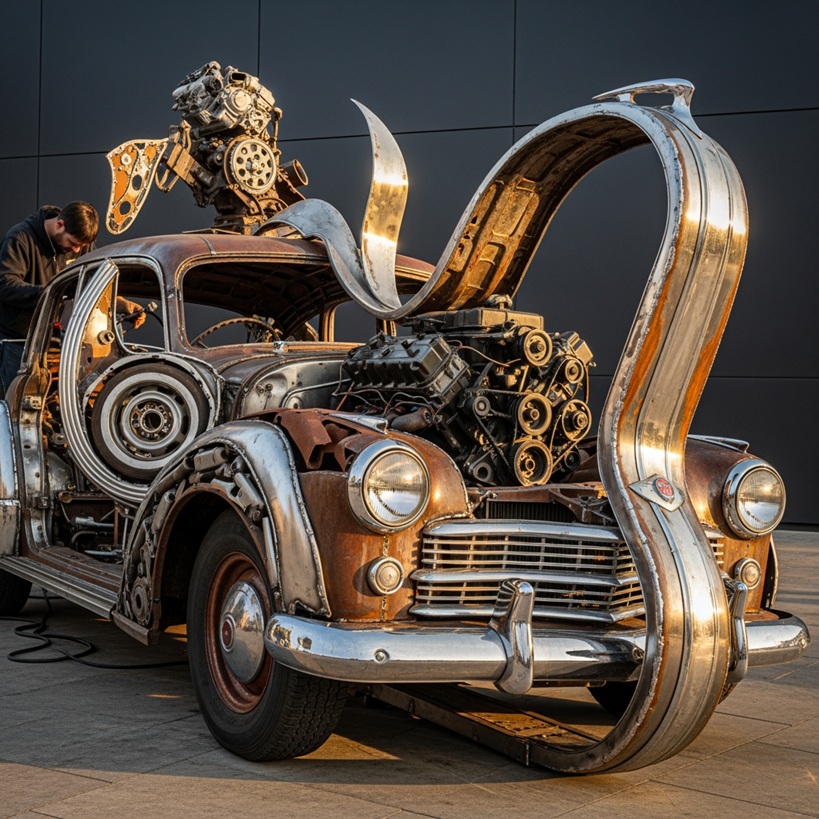
Your ageing car, once a reliable means of transport, could be reborn as a stunning work of art. Rather than consigning a cherished vehicle to the scrapyard, many creative minds opt for a fresh start by transforming old cars into eye-catching art installations. The innovative approach of repurposing car for art opens up a world of possibilities for those interested in sustainable creativity. Whether you’re an artist seeking a unique canvas or someone looking for a distinctive focal point for your garden, a creative car art project might be just the solution you need.
Benefits of Repurposing Your Car for Art
Environmental Advantages
One of the most compelling aspects of upcycling car parts for art is its environmental impact. By transforming your old car into art, you’re diverting valuable materials from landfill and giving them a new purpose. This eco-friendly approach reduces waste and promotes a more sustainable lifestyle, aligning with global efforts to conserve resources and minimise carbon footprints.
The process aligns beautifully with responsible car recycling principles, though it takes creativity to an entirely different level by preserving the vehicle’s character in artistic form.
Economic Benefits
From an economic standpoint, repurposing car for art can be far more cost-effective than purchasing new art installations or decorative features for your home. The process leverages materials you already have, cutting down on expenses whilst allowing for a high degree of personalisation.
Understanding scrap car prices can help you compare the financial return from traditional scrappage versus the potential value of creating vehicle art installations that could appreciate over time or enhance your property. Investing in a creative car art project may also add unique value to your property, making it an attractive and cost-efficient option.
Aesthetic and Cultural Value
Turning an everyday vehicle into a conversation piece has a special charm. Upcycling car parts for art creates a unique blend of industrial history and modern creativity that can serve as a striking visual focal point. Whether displayed in your garden, community space, or indoor setting, these installations celebrate a fusion of past and present, embodying nostalgia and innovation.
In my years around the industry, I’ve seen some truly remarkable transformations – vehicles that seemed destined for nothing more than the crusher becoming genuine works of art that captivate everyone who sees them.
Assessing Your Car’s Potential
Before diving into your project, it’s essential to evaluate whether your car is a suitable candidate for conversion:
Structural Integrity: Ensure the vehicle’s frame and body are strong enough to support modifications. Minor cosmetic damage can add character, but severe structural issues should be addressed before beginning your automotive art projects.
Salvageable Components: Identify parts that can be repurposed, such as door panels, the boot, or even engine components that have unique shapes. Any valuable mechanical parts you don’t need could potentially be sold through authorised scrap car dealers to fund materials and tools for your installation.
Aesthetic Appeal: Consider the car’s overall design and vintage appeal. Vehicles with distinctive design elements often serve as excellent bases for car-based art or other artistic projects.
Potential for Transformation: Decide if your creative vision aligns with the car’s inherent character. A carefully selected vehicle can elevate your project from simple upcycling to a masterpiece of sustainable art creation.
Designing Your Creative Car Art Project
Planning is key to a successful transformation. Here’s how to get started:
Develop Your Vision
Decide on the purpose of your installation. You might want your car to serve as wall art, a freestanding sculpture, or even as a functional piece like a planter or seating area. Your vision will guide your design and determine which approach to repurposing car for art makes most sense for your space and goals.
Sketch a Layout
Draw a rough blueprint of your project. Determine which parts of the car will be focal points and how they can be enhanced with additional materials or creative finishes. Consider scale, viewing angles, and how the piece will interact with its surroundings.
Gather Materials and Tools
Create a list of necessary supplies for your automotive art projects:
- Cleaning agents and rust removers
- Waterproof paint and protective coatings
- Insulation materials if needed
- Specific tools required for cutting, welding, or assembly
- Decorative elements and lighting (if desired)
- Safety equipment (gloves, goggles, masks)
Plan for Safety and Durability
Incorporate design elements that ensure stability and weather resistance. Proper reinforcement and drainage can help your creation stand the test of time. Look, I’ve always told folks that planning for British weather is essential – our climate can be brutal on outdoor installations.
Step-by-Step Guide to a Creative Car Art Project
Clean and Prepare the Vehicle
Begin by giving your car a thorough cleaning, both inside and out. The step is crucial for removing rust, grime, and any residues from past use. A clean surface makes it easier to assess damage and prepare for modifications that will transform it into vehicle art installations.
Dismantle and Salvage Key Components
Remove non-essential parts that might obstruct your design, such as the engine, seats, or damaged interior. At the same time, salvage components that add character, like intact door panels, grilles, or even decorative elements from the dashboard.
The beauty of car-based art often lies in preserving certain iconic elements – a chrome badge, a distinctive headlamp design, or the elegant curve of a wing – whilst reimagining the vehicle’s overall purpose.
Modify the Structure
Depending on your design, you may need to cut or reshape parts of the car. Reinforce key areas to ensure that your installation is structurally sound, whether it’s intended as wall art, a freestanding sculpture, or a functional garden element.
Safety is paramount during this phase – proper equipment and technique are essential when working with automotive materials.
Assemble and Install Artistic Elements
Following your layout, begin assembling the salvaged parts into your chosen configuration:
For Wall Art or Sculptures: Mount and arrange components with a focus on balance and visual impact. Consider how light will interact with metallic surfaces and create shadows throughout the day.
For Functional Installations: If your creative car art project includes elements like planters or seating, ensure that these features are securely integrated and properly weatherproofed.
Finishing Touches: Add a fresh coat of paint or other decorative finishes to tie the piece together visually. Some artists prefer to preserve the natural patina, celebrating the vehicle’s journey through time.
Completion and Final Adjustments
Complete your project with the final adjustments. Apply protective coatings to ensure longevity, add lighting or additional décor if desired, and step back to admire your newly transformed creation. Regular maintenance will keep your sustainable art creation looking its best for years to come.
Practical Tips and Safety Considerations
Workspace Safety: Always work in a well-ventilated area and use appropriate safety gear, such as gloves, goggles, and masks, when handling chemicals or using power tools.
Tool Management: Keep your workspace organised. Ensure that all tools are in good working order and that you follow best practices for each step of the process.
Budgeting: Plan your project within a set budget. Upcycling can be cost-effective, but unexpected expenses can arise – be prepared with a contingency fund.
Regular Maintenance: After your installation is complete, perform periodic checks to maintain its appearance and functionality, especially if it’s placed outdoors where British weather can take its toll.
Real-Life Inspiration: Success Stories
Across the UK, several artists have transformed discarded vehicles into captivating vehicle art installations. One project saw an old saloon ingeniously repurposed into a freestanding sculpture displayed in a community park. The artist preserved the car’s iconic design, enhancing it with creative welding and artistic finishes that evoke both nostalgia and modern aesthetics.
Another inspiring case involved a vintage estate car converted into a multifunctional garden planter and seating area. The project not only repurposed the vehicle but also created a gathering place for community events, proving that repurposing car for art can have both aesthetic and social impact.
A particularly memorable creative car art project saw a classic Mini transformed into an interactive children’s play feature in a primary school garden. The doors still opened, the steering wheel still turned, but the engine bay had become a book nook and the boot a storage area for outdoor toys. The children absolutely loved it.
These examples demonstrate the remarkable potential of automotive art projects to serve multiple purposes whilst celebrating automotive heritage and sustainable creativity.
When Traditional Scrappage Makes More Sense
Whilst repurposing car for art offers wonderful possibilities for suitable vehicles, there are situations where traditional scrappage is the more practical choice:
Severely Damaged Vehicles: If the car lacks the structural integrity or aesthetic elements needed for artistic transformation, scrapping your car through proper channels ensures responsible disposal.
Space and Storage Constraints: Not everyone has the facilities to store a vehicle during lengthy artistic transformation. Convenient scrap car collection services provide a hassle-free alternative.
Legal Requirements: Regardless of whether you’re creating car-based art or scrapping traditionally, you’ll need to notify the DVLA about the vehicle’s change of status.
Time Sensitivity: If you need immediate resolution, scrapping your vehicle professionally is a quick and efficient solution that still ensures responsible recycling of materials.
Spotlight on Scrap Car Network
For those considering creative alternatives to scrapping immediately, Scrap Car Network offers expert guidance and support in upcycling projects. Their services help you determine if your vehicle is the right candidate for transformation, ensuring that valuable materials are optimised rather than discarded.
Their experienced team can assess whether your car might be suitable for sustainable art creation or whether traditional scrappage makes more practical sense based on the vehicle’s condition. For personalised advice on your options, don’t hesitate to get in touch with their friendly team of experts.
Additional Specialist Resources and Services
To further enhance your project, explore these additional resources:
For those with vans or larger vehicles that could provide even more material for ambitious vehicle art installations, specialist van scrapping services offer tailored guidance on repurposing options or traditional scrappage if that’s more appropriate.
These resources offer additional perspectives and support, helping you explore whether your vehicle might have a future as remarkable automotive art projects.
Embracing a Creative, Sustainable Future
Transforming an old car into an art installation is a bold and imaginative way to repurpose an ageing vehicle. By engaging in upcycling car parts for art, you not only contribute to environmental sustainability but also add a unique, eye-catching feature to your space. Whether your vision is to create a functional installation in a garden or a statement piece that celebrates both history and creativity, the approach proves that innovative thinking can turn wastage into beauty.
With careful planning, adherence to safety, and a touch of artistic flair, your creative car art project can become a testament to the power of creative reuse. Embrace the opportunity to reimagine your old car, and let it inspire others in your neighbourhood with its new purpose.
Sometimes the most fitting tribute to a beloved old motor isn’t the scrapyard – it’s transformation into something that will be admired and appreciated for generations to come, whether that’s a striking sculpture, a functional garden feature, or a community gathering point that celebrates creativity and sustainability.