Why Some Countries Ban Old Car Imports (And What Happens to Them)
8th Jan, 2026
Governments regulate which vehicles can enter their borders across the world. One of the most debated areas of trade and transport policy concerns the banned old car imports that are restricted or prohibited for environmental, safety, or economic reasons. While it might seem unusual that countries would prevent cars from entering, the logic is grounded in protecting air quality, road safety, and domestic industries.
This article explores why many nations impose old car import bans, what happens to vehicles that fail to meet these standards, and how responsible recycling plays a vital role in ensuring that every end-of-life vehicle is managed legally and sustainably.
Why Ban Old Car Imports?
Import restrictions on older vehicles are not arbitrary decisions. They serve multiple purposes, protecting public health, reducing environmental harm, and maintaining fair market conditions for local manufacturers. The impact of old car import bans extends beyond trade policy; it shapes air quality, road safety, and recycling practices around the globe.
Environmental Impact: Reducing Air Pollution
Older vehicles typically emit far higher levels of pollutants than modern cars. Lacking advanced exhaust treatment systems, these vehicles release nitrogen oxides (NOx), carbon monoxide (CO), and particulate matter (PM), all of which contribute to smog and respiratory illness.
Countries with strict environmental targets, such as Japan and Norway, ban imports of older vehicles to reduce emissions and support global climate goals. Allowing a flood of outdated vehicles would undermine years of investment in cleaner technologies and sustainable transport initiatives.
Key Environmental Drivers for Import Bans:
- Emissions Reduction: Older engines lack modern catalytic converters and filters.
- Air Quality Improvement: Preventing pollution-related health issues in dense urban areas.
- Sustainability Goals: Encouraging the transition to electric and low-emission vehicles.
Those scrapping vehicles in the UK can support similar goals through Scrap Car Network’s environmentally responsible car recycling process, which ensures all fluids and hazardous substances are safely removed before recycling.
Summary:
Environmental concerns are the leading reason for banning old car imports, with most nations aiming to reduce vehicle-related pollution and meet sustainability targets.
Safety Concerns: Outdated and Dangerous Vehicles
Safety standards evolve rapidly, and vehicles that were once considered roadworthy may no longer meet current safety expectations. Older models often lack essential technologies such as anti-lock braking systems (ABS), airbags, and reinforced crash structures.
Many governments implement old car import bans to ensure that only vehicles meeting contemporary safety standards are allowed on their roads. These bans help prevent accidents and protect drivers, passengers, and pedestrians alike.
Key Safety Considerations:
- Lack of modern safety features like airbags and stability control.
- Structural weaknesses due to corrosion or ageingof materials.
- Poor crash performance compared to modern vehicles.
For example, Kenya prohibits the import of vehicles older than eight years, while Singapore enforces stringent inspection regimes to ensure all imported vehicles meet its roadworthiness standards.
Summary:
Safety remains a critical factor behind the impact of old car import bans, with governments striving to reduce fatalities and modernise national fleets.
Economic Protection: Safeguarding Domestic Industries
Another major driver behind these restrictions is economic policy. Allowing a surge of inexpensive second-hand cars from abroad can destabilise local automotive markets. Domestic manufacturers and dealerships often struggle to compete with imported used vehicles sold at lower prices.
By limiting the entry of old cars, governments protect local jobs, encourage new car sales, and support domestic industries transitioning to greener technologies. It also encourages investment in manufacturing infrastructure and innovation within the country.
Key Economic Motivations:
- Supporting domestic car manufacturers against import competition.
- Protecting jobs across the automotive supply chain.
- Encouraging local investment in cleaner vehicle production.
The UK, though less restrictive in imports, supports these same principles through Scrap Car Network’s sustainable vehicle processing system, promoting recycling over re-exportation of high-emission vehicles.
Summary:
Economic protection ensures market stability while encouraging sustainable industry growth and responsible trade.
What Happens to Banned Cars?
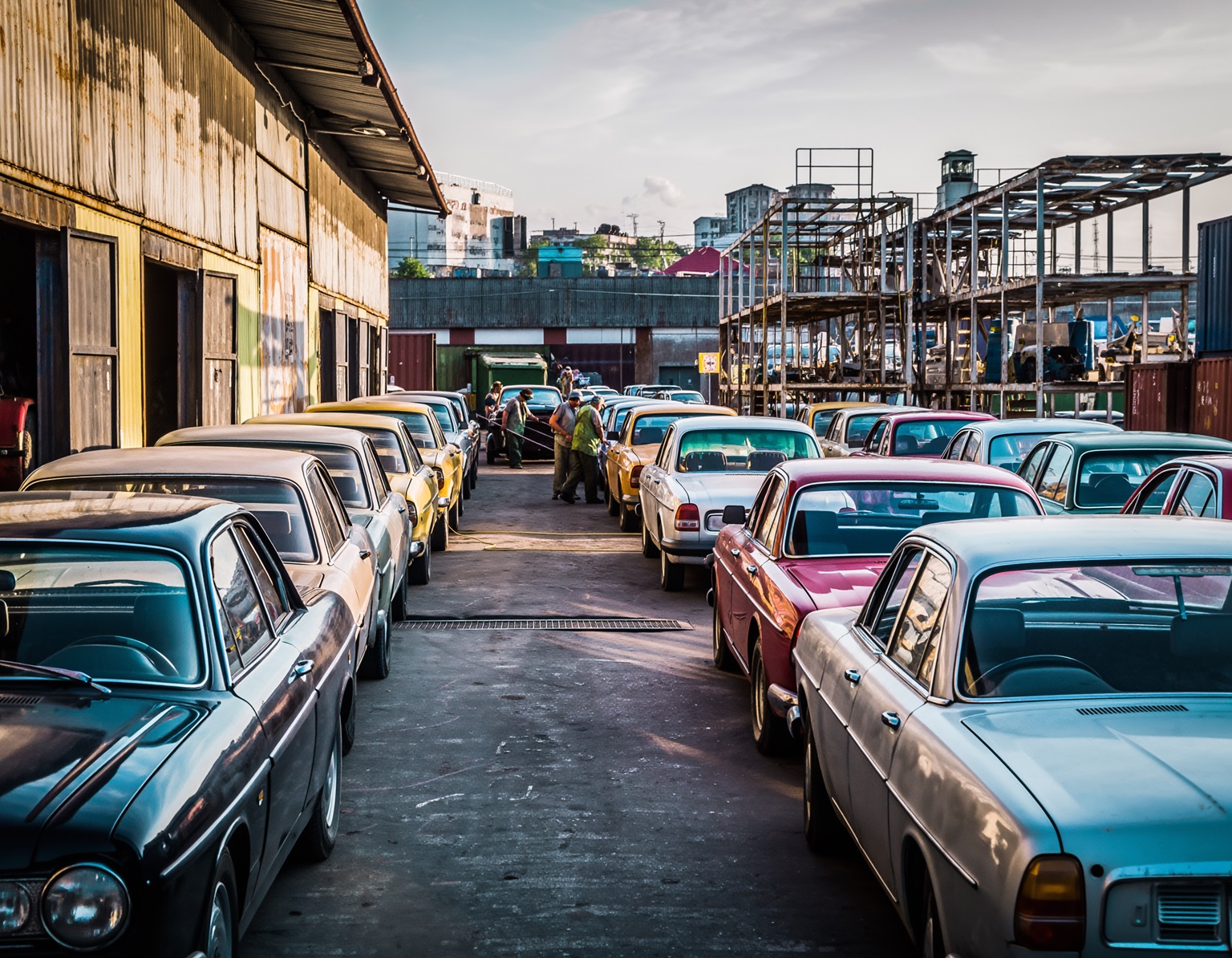
When vehicles are restricted from entering a country due to age or emissions, they do not simply disappear. The fate of banned old car imports varies by region and depends on the condition, age, and environmental classification of the vehicles.
Scrapping: The End of the Road
For many non-compliant cars, scrapping is the most environmentally responsible outcome. Vehicles that cannot be legally imported or registered are dismantled at Authorised Treatment Facilities (ATFs). Here, they undergo depollution, parts recovery, and recycling processes that recover usable materials such as steel, aluminium, and copper.
Scrapping old imports prevents illegal resale and ensures compliance with both national and international environmental laws.
Vehicle owners and exporters can scrap any car legally through Scrap Car Network and ensure it’s processed through a certified facility in complete alignment with UK and EU standards.
Summary:
Scrapping ensures that non-compliant cars are safely dismantled, hazardous materials are handled responsibly, and valuable resources are recycled efficiently.
Export for Reuse: A Second Life Abroad
In some cases, vehicles that are banned in one country may still be acceptable in another with less restrictive regulations. These cars are exported for resale or use in developing regions, extending their operational life.
While this approach supports economic access to affordable vehicles, it also raises environmental concerns. Poorer countries often lack the infrastructure to manage emissions or recycle end-of-life vehicles responsibly. This can result in the global transfer of pollution from developed to developing nations.
To avoid contributing to this problem, Scrap Car Network prioritises domestic recycling over re-exportation and promotes environmental accountability through its network of Authorised Treatment Facilities.
Summary:
Exporting banned cars for reuse can extend vehicle life, but risks shifting environmental problems to less-regulated regions.
Seizure and Return: Enforcement in Action
Strict enforcement is crucial to preventing the illegal import of banned vehicles. Customs authorities and environmental agencies inspect incoming shipments to verify compliance with import laws and emissions standards.
If a vehicle fails to meet requirements, it may be:
- Seized by authorities.
- Returned to the country of origin.
- Destroyed or scrapped under government supervision.
In the UK, the Environment Agency works closely with customs and border officials to ensure imported scrap and used vehicles comply with both domestic regulations and international treaties.
More details on compliance can be found in Scrap Car Network’s resource on how to tell the DVLA when you scrap your car, ensuring all vehicles are tracked legally from ownership to disposal.
Summary:
Effective enforcement keeps banned cars off the road, maintaining public safety and environmental integrity.
The Global Impact of Old Car Import Bans
The impact of old car import bans extends far beyond national borders. Restrictions influence international trade, shape vehicle manufacturing trends, and reinforce global sustainability efforts.
Trade and Economic Ripple Effects
Countries enforcing import bans can alter global supply chains. Exporters from Europe, Japan, and North America often redirect older vehicles to other markets where regulations are more lenient. This creates disparities in vehicle quality, road safety, and emissions across regions.
While some nations see opportunities in importing used cars, the environmental costs often outweigh short-term economic gains. The World Bank and United Nations Environment Programme (UNEP) have called for global standards to ensure fair, sustainable vehicle trade.
Environmental Equity and Responsibility
The movement of old vehicles from wealthier to poorer nations raises questions of environmental justice. When one country tightens its import standards, another may inherit theecologicall burden. True sustainability requires cooperation, ensuring that vehicles are responsibly dismantled rather than exported as waste.
Summary:
Global cooperation is essential to address the environmental, economic, and ethical challenges associated with the international car trade.
Responsible Disposal: Doing the Right Thing
For vehicle owners and traders, the best way to support environmental goals is through proper end-of-life management. When import restrictions make a vehicle non-compliant, recycling through certified channels ensures full legal and environmental compliance.
Steps for Responsible Disposal:
- Check Local Regulations: Confirm import and recycling laws in your region.
- Use Authorised Treatment Facilities: Only licensed ATFs can legally dismantle vehicles.
- Notify Authorities: Always tell the DVLA about your scrapped car to remain compliant.
- Recycle Through Reputable Networks: Use trusted platforms such as Scrap Car Network to guarantee legal and sustainable recycling.
This approach not only complies with the law but also supports circular economy principles, where materials are reused rather than wasted.
Summary:
Responsible disposal through certified networks prevents illegal exports and supports the environmental goals behind old car import bans.
The Circular Economy Connection
The enforcement of the ban on old car imports aligns closely with the global shift towards circular economy practices. By reducing the trade in non-compliant vehicles, countries promote recycling, resource recovery, and cleaner production.
In the UK, initiatives led by Scrap Car Network’s recycling partners demonstrate how circular systems create value from waste, reduce emissions, and support economic sustainability. Instead of exporting older cars to developing nations, domestic recycling ensures that valuable metals and materials are reintegrated into manufacturing.
Summary:
Old car import bans are a practical application of circular economy values, keeping resources in use and minimising waste globally.
Conclusion
The reasons behind the ban on old car imports are clear: environmental protection, public safety, and economic balance. The impact of old car import bans extends globally, influencing trade, recycling, and sustainability practices across multiple regions.
For vehicle owners and exporters, compliance with import regulations is essential. Where a car cannot be imported or sold, Scrap Car Network provides a reliable, fully licensed alternative, ensuring vehicles are recycled safely, legally, and responsibly.
Anyone ready to take action can get an instant quote to scrap any car, access free nationwide collection, or contact the team directly for expert guidance on environmentally compliant recycling.
Key Takeaways:
- Old car import bans exist to protect the environment, improve safety, and support local industries.
- Banned vehicles are typically scrapped, exported to less regulated markets, or seized.
- The impact of old car import bans reflects global shifts toward sustainability and circular economy principles.
Responsible recycling through certified facilities ensures full compliance and environmental integrity.