What the UK Can Learn from Japan’s Scrap Car Model
19th Dec, 2025
Vehicle scrappage plays a vital role in environmental sustainability, but few countries do it better than Japan. The Japan scrap car model is recognised worldwide for its precision, accountability, and efficiency. By studying how Japan manages its end-of-life vehicles, the UK can discover practical strategies to improve recycling rates, cut emissions, and support a thriving circular economy.
The Japanese Model: A Different Approach
The Japanese ELV recycling system operates like a perfectly tuned engine; each component works in harmony to minimise waste and maximise recovery. Japan has built a framework that makes vehicle recycling not just a requirement, but a culture rooted in innovation and environmental responsibility.
Strict Regulations and Enforcement
Japan enforces one of the most robust regulatory systems in the world for handling end-of-life vehicles. The Automobile Recycling Law ensures that manufacturers, dismantlers, and recyclers all play their part.
- Stringent Laws: Japan’s ELV Recycling Law sets national standards for recycling and recovery rates.
- Regular Audits: Recycling sites are routinely inspected to ensure environmental compliance.
- Heavy Penalties: Non-compliant operators face fines or suspension of operations.
This focus on accountability mirrors the standards followed by Scrap Car Network’s Authorised Treatment Facilities, which operate under strict environmental and legal compliance rules to guarantee safe and sustainable vehicle processing.
Advanced Recycling Technology
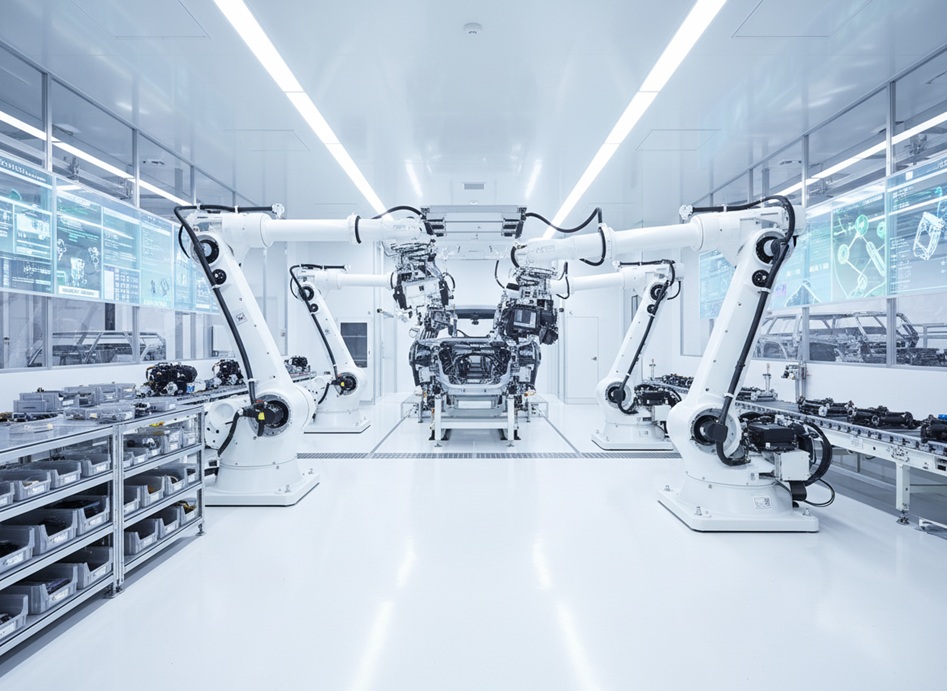
In Japan, cars aren’t just crushed, they’re disassembled with remarkable precision. The nation invests heavily in cutting-edge technologies to recover every usable material.
- Shredding Technology: High-powered shredders separate metals, plastics, and glass with precision.
- Automated Sorting: Magnetic and optical sorting systems improve recovery accuracy.
- Robotics: Robots dismantle complex vehicle parts safely and efficiently.
These innovations parallel the continuous improvements seen in Scrap Car Network’s environmentally responsible car recycling process, which ensures valuable materials are recovered while reducing environmental impact.
Extended Producer Responsibility (EPR)
Perhaps the most forward-thinking aspect of the Japan scrap car model is its Extended Producer Responsibility (EPR) scheme. Under this approach, manufacturers remain accountable for their vehicles even after they reach the end of their life.
- Manufacturer Funding: Carmakers financially support recycling and disposal.
- Design for Recycling: Vehicles are designed to be easier to dismantle and reuse.
- Circular Supply Chains: Manufacturers who integrate recycled materials are rewarded.
The UK can learn from this by encouraging manufacturers to adopt similar principles, ensuring that sustainability begins at the design stage, not the scrapyard.
Key Takeaways
- Japan’s success stems from strict laws, advanced technology, and manufacturer accountability.
- The system focuses on maximum recovery and minimal waste.
- It represents a model circular economy that balances efficiency and environmental protection.
Lessons for the UK
The UK’s vehicle recycling network is strong, but there’s room to take things up a gear. Borrowing ideas from Japan’s structured, technology-driven system could help modernise recycling practices across the country.
Strengthening Regulations
While the UK has a clear framework for scrapping vehicles, better enforcement could make a big difference. Tightening regulations ensures every facility operates to the same high standard.
- Updated ELV Policies: Modernise regulations in line with global benchmarks.
- Frequent Inspections: Regular checks deter non-compliant operators.
- Stronger Penalties: Enforce stricter fines for illegal or unsafe practices.
Drivers can stay compliant by following our guide on how to tell the DVLA when you sell or scrap your car, an essential legal step in the UK scrappage process.
Investing in Recycling Infrastructure
To match Japan’s efficiency, the UK must expand its investment in recycling facilities and innovation. Improved infrastructure would not only enhance recovery rates but also create skilled green jobs.
- Government Investment: Prioritise funding for state-of-the-art recycling plants.
- Innovation Grants: Encourage the development of advanced sorting and separation systems.
- Public-Private Partnerships: Work with companies like Scrap Car Network to deliver practical, nationwide solutions.
Implementing EPR Schemes
Mandatory EPR schemes could transform the UK’s recycling model by holding manufacturers accountable for the full lifecycle of their vehicles.
- Shared Responsibility: Ensure carmakers contribute financially to recycling operations.
- Design Targets: Set goals for recyclability and sustainable materials.
- Circular Design: Encourage vehicles built for easy disassembly and re-use.
Such policies could mirror Japan’s success and support the UK’s efforts to reach net-zero emissions by promoting circular design.
Key Takeaways
- Stronger regulations and better infrastructure would modernise UK recycling.
- EPR schemes would make car manufacturers responsible for sustainability outcomes.
- Collaboration between government and industry is essential for success.
Benefits of Adopting Japanese Practices
The Japan scrap car model provides clear environmental, economic, and social advantages, all of which the UK could emulate to create a cleaner and more resilient automotive industry.
Environmental Protection
By prioritising recycling, Japan reduces landfill waste and conserves natural resources. The UK could see similar benefits by enhancing recovery rates and promoting green recycling initiatives.
- Reduced Landfill: Fewer vehicle components discarded as waste.
- Resource Conservation: Increased reuse of metals and plastics.
- Emission Reductions: Less energy consumed in material production.
Learn more about how Scrap Car Network’s recycling process already helps reduce emissions and supports a cleaner environment.
Economic Opportunities
Expanding the UK’s recycling industry brings tangible economic gains. Recovered materials like steel and aluminium can re-enter the supply chain, while recycling centres create local employment.
- Job Creation: Boosts employment in dismantling, logistics, and processing.
- Resource Recovery: Generates revenue through resale of recycled materials.
- Sustainable Markets: Encourages new industries based on recovered resources.
The benefits go beyond sustainability, they strengthen the UK economy through long-term value creation.
Improved Public Health
A responsible approach to scrappage minimises hazardous waste and pollution. Facilities that follow safety protocols ensure toxic materials like oils and coolants are disposed of correctly.
- Safe Hazard Disposal: Protects soil and groundwater.
- Cleaner Air: Reduces harmful emissions from unregulated sites.
- Healthier Communities: Promotes public wellbeing.
All vehicles processed through Scrap Car Network’s ATF partners are handled under strict environmental health standards, ensuring compliance with UK and EU legislation.
Challenges and Considerations
While adopting Japan’s model offers clear advantages, implementation in the UK would require careful planning and investment.
Initial Investment Costs
Upgrading facilities and technology will require substantial upfront costs, but the long-term gains, environmental and economic, justify the investment.
- High Setup Costs: Funding for advanced recycling tech and automation.
- Shared Funding: Collaboration between government, private sector, and manufacturers.
- Return on Investment: Long-term savings through efficiency and recovery.
Adapting to Local Conditions
The Japanese ELV recycling system operates in a highly structured, urbanised environment, but the UK’s geography and infrastructure differ. Tailoring the model to local needs is key.
- Regulatory Adaptation: Ensure compatibility with UK legislation.
- Infrastructure Upgrades: Address regional recycling capacity gaps.
- Market Adjustments: Consider differences in car ownership and usage patterns.
Ensuring Compliance
Maintaining high standards requires strong oversight and enforcement mechanisms.
- Tracking Systems: Implement digital reporting for all end-of-life vehicles.
- Agency Empowerment: Equip regulators with the authority to enforce compliance.
- Incentives: Reward facilities that demonstrate high recycling efficiency.
The UK’s ATF framework, supported by Scrap Car Network, already sets a strong foundation for responsible vehicle recycling practices.
The Future of Car Scrapping in the UK
If the UK adopts lessons from Japan, it could lead the way in sustainable car recycling. Enhanced collaboration between manufacturers, recyclers, and regulators will be key.
The future may see wider EPR adoption, AI-assisted dismantling, and an expanded network of modern recycling centres. Together, these steps can move the UK closer to a circular automotive economy that values resource efficiency and innovation.
Conclusion
The Japan scrap car model proves that with the right mix of regulation, technology, and corporate accountability, a country can achieve near-total vehicle recycling efficiency. For the UK, adopting similar strategies could mean cleaner air, reduced waste, and a stronger economy.
Whether it’s through improved legislation, advanced technology, or responsible partnerships with licensed recyclers, every step counts. For a start, get an instant quote to scrap any car and ensure your vehicle contributes to a greener, more sustainable future.