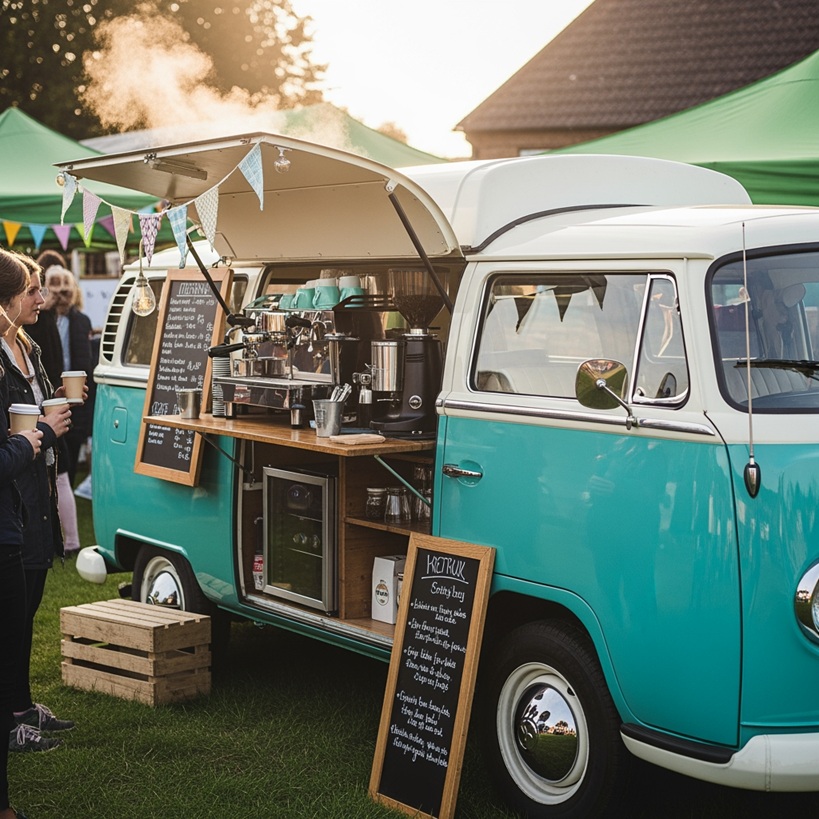
Turning Old Cars into Mobile Coffee Shops
20th Jan, 2026
Repurposing classic cars into coffee-serving micro-cafés has become one of the most creative and eco-friendly business ideas of recent years. The growing popularity of old cars as coffee shops has inspired entrepreneurs across the UK to combine nostalgia, craftsmanship, and caffeine in a single venture.
With modern consumers valuing unique experiences and sustainability, these conversions are more than novelty. They represent the perfect marriage of vintage design and entrepreneurial innovation. For many, mobile businesses in old vehicles are not just a trend; they are a practical route to owning a flexible, low-overhead business with undeniable charm.
The Allure of Mobile Coffee Shops
Mobile coffee shops attract attention wherever they go. They provide more than a drink; they deliver an experience. The retro aesthetic, compact setup, and mobility offer an irresistible combination of nostalgia and convenience.
Why People Love Them
- Visual Appeal: Restored vintage cars stand out at markets, festivals, and weddings. Their character and craftsmanship are hard to ignore.
- Mobility: A coffee business on wheels can appear in new locations daily, maximising exposure and customer reach.
- Sustainability: Converting old vehicles extends their lifespan, aligning with eco-friendly values.
Many of these businesses appear alongside other mobile businesses in old vehicles, such as food vans or pop-up boutiques, creating a vibrant, community-driven marketplace.
Key Takeaways:
- Mobile coffee shops combine uniqueness and flexibility.
- Vintage vehicles enhance atmosphere and customer appeal.
- Sustainable conversions turn nostalgia into a viable enterprise.
Finding the Right Vehicle
Choosing the perfect car is the foundation of any successful conversion. The ideal vehicle must balance aesthetics with practicality.
Factors to Consider
- Space: Sufficient room is required for equipment, supplies, and operator movement.
- Access: Side openings or rear hatches improve serving convenience.
- Condition: Mechanical reliability ensures safety and operational efficiency.
- Regulations: The chosen vehicle must comply with UK road and food service standards.
Popular Vehicle Choices
- Classic Vans: Models such as the VW Transporter, Citroën H Van, or Bedford CF provide ample space and instant recognition.
- Vintage Cars: Minis, Beetles, and Fiats suit smaller, boutique coffee setups.
- Retired Commercial Vehicles: Old ice-cream or delivery vans often come pre-fitted with useful storage compartments.
For those sourcing vehicles ready for transformation, it’s worth exploring Scrap Car Network’s Scrap Any Car service to identify models suitable for restoration or sustainable reuse.
Key Takeaways:
- Choose vehicles combining character and practicality.
- Ensure sufficient space and mechanical soundness.
- Classic vans and small cars are most frequently converted.
Converting a Vehicle Into a Mobile Coffee Shop
Transforming an old vehicle into a fully functional café requires thoughtful design, expert craftsmanship, and compliance with safety standards.
Essential Modifications
- Power and Plumbing: Install reliable water tanks, pumps, and electrical connections to support coffee machines and refrigeration.
- Equipment Layout: Space must be allocated for espresso machines, grinders, storage units, and serving counters.
- Ventilation: Heat and steam require proper airflow. Roof vents or extraction fans maintain comfort and hygiene.
- Aesthetic Finishing: The exterior branding and interior décor contribute to the café’s overall appeal.
Professional Assistance
While some restoration tasks can be handled independently, electrical wiring, plumbing, and gas connections should be completed by certified professionals. Safe installation prevents costly breakdowns or hazards.
To responsibly recycle unused vehicle components from your build, explore our environmentally responsible car recycling process.
Key Takeaways:
- Conversion involves plumbing, power, and layout planning.
- Proper ventilation and design enhance efficiency and comfort.
- Professional installation ensures safety and reliability.
Legal and Regulatory Considerations
Operating old cars as coffee shops involves adhering to legal frameworks designed to protect public health and safety.
Licences and Permits
Before trading, mobile coffee shop owners must:
- Register with the Local Council: Every food business in the UK must register with its local authority at least 28 days before opening.
- Comply with Food Hygiene Standards: Regular inspections will assess cleanliness, storage, and food handling practices.
- Obtain Street Trading Licences: Depending on the location, permits may be required to operate in public areas.
Vehicle Compliance
Converted vehicles must remain roadworthy, insured, and correctly classified. In some cases, they need reclassification with the DVLA as mobile catering units.
To understand these obligations, review our article on how to tell the DVLA when you sell or scrap your car.
Key Takeaways:
- Register and license your business according to local authority rules.
- Follow all hygiene, safety, and trading regulations.
- Ensure vehicles meet road and DVLA compliance standards.
The Financial Grind: Profitability and Costs
Running a mobile coffee business can be profitable, but success depends on careful financial planning.
Key Cost Considerations
- Vehicle Purchase and Conversion: Depending on size and condition, costs can range from modest to substantial.
- Equipment Investment: Espresso machines, grinders, fridges, and generators must meet commercial standards.
- Operating Expenses: Include insurance, permits, supplies, fuel, and event fees.
- Maintenance: Regular servicing ensures both safety and longevity.
Boosting Profitability
- Targeted Locations: Set up at events, industrial parks, and high-traffic zones.
- Menu Variety: Offer pastries, teas, or speciality drinks to increase revenue.
- Quality Control: Exceptional coffee and service drive repeat business.
Before investing, review our Scrap Car Prices Guide UK to understand the potential value of any old vehicle components you may sell or recycle to offset costs.
Key Takeaways:
- Profitability depends on strategic location and product quality.
- Factor in conversion, equipment, and maintenance expenses.
- Offer complementary items to diversify income.
Marketing Your Mobile Coffee Shop
A great concept needs visibility to thrive. Successful marketing ensures your café stands out among other mobile businesses in old vehicles.
Digital Promotion
- Social Media Presence: Showcase your vehicle’s transformation and daily locations on Instagram, TikTok, and Facebook.
- Geo-Tagging: Use hashtags and maps so customers can find you easily.
- Video Content: Short clips of brewing or setup can drive engagement and shares.
Community and Word-of-Mouth Marketing
Engage with local markets, offices, and community events. Consistent service and friendly interaction turn visitors into loyal customers. Encourage online reviews and referrals through small loyalty rewards.
Collaborations
Partner with local bakeries, event organisers, and music festivals for shared promotion. Creative partnerships increase brand recognition and provide steady opportunities for business.
Key Takeaways:
- Digital platforms are vital for exposure and growth.
- Local partnerships strengthen brand presence.
- Consistent customer engagement builds loyalty.
Sustainability and the Environmental Impact
Repurposing vehicles aligns perfectly with environmental values. Every converted coffee van saves a classic car from disposal and supports a culture of reuse.
Environmental Benefits
- Reduced Waste: Fewer vehicles end up as scrap metal.
- Resource Efficiency: Using existing structures cuts the carbon footprint of building new catering units.
- Circular Economy: Materials from conversions can be recycled responsibly, supporting sustainable design.
For complete sustainability, any unused vehicle components can be processed via our network of Authorised Treatment Facilities, ensuring full compliance with UK environmental standards.
Key Takeaways:
- Vehicle conversions promote environmental responsibility.
- Recycling old parts supports circular economy goals.
- Upcycling combines creativity with eco-conscious entrepreneurship.
Safety and Operational Logistics
Running a coffee business inside a vehicle requires attention to detail to maintain safety and efficiency.
Essential Safety Measures
- Fire Safety: Equip your unit with extinguishers and regular safety inspections.
- Electrical Testing: Ensure all wiring is tested and compliant.
- Workplace Safety: Provide training on safe equipment operation and cleaning protocols.
Operational Efficiency
Smart layout planning improves service flow and reduces downtime. Equipment should be positioned for ergonomic access, and all movement areas kept clear of hazards.
Proper maintenance also safeguards long-term reliability. When components eventually wear out, dispose of them responsibly through Scrap Car Network.
Key Takeaways:
- Fire and electrical safety are mandatory for all mobile units.
- Efficient design maximises workflow and safety.
- Regular maintenance ensures longevity and compliance.
Case Studies: Successful Coffee Conversions
Across the UK, entrepreneurs have successfully turned old cars as coffee shops into thriving micro-businesses.
Vintage VW Transporter Cafés
Classic VW vans have become synonymous with artisanal coffee setups. Their distinctive design and spacious interiors make them ideal for conversion. Many now operate year-round at markets and seaside towns, symbolising eco-friendly entrepreneurship.
Citroën H Vans
French-made Citroën H vans, popular in the 1950s and 60s, have enjoyed a resurgence as mobile cafés. Their corrugated panels and robust frames provide charm and practicality.
Compact City Cars
Smaller vehicles, such as the Mini or Fiat 500, are used for event-based businesses or pop-up coffee stands. Though compact, their originality and low running costs attract attention and quick sales.
Key Takeaways:
- Classic vans remain popular choices for conversions.
- Vintage appeal draws customers across demographics.
- Compact setups are perfect for smaller, mobile ventures.
Future of Mobile Coffee and Vehicle-Based Enterprises
The concept of mobile businesses in old vehicles continues to expand beyond coffee. Pop-up boutiques, libraries, and even flower shops now operate from vintage vans and trucks.
Predicted Developments
- Eco-Conversions: Electric power retrofits are becoming common to reduce emissions.
- Hybrid Ventures: Businesses combining coffee sales with retail or experiences will emerge.
- Technological Integration: Mobile apps for ordering and digital payments will streamline service.
- Design Innovation: More collaboration between vehicle engineers and interior designers will enhance efficiency and aesthetics.
To learn how vehicles are sustainably recycled or prepared for creative reuse, explore Why Use Us and our partnerships with environmentally compliant facilities.
Key Takeaways:
- The market for vehicle-based enterprises continues to grow.
- Innovation in design and sustainability drives future success.
- Electric conversions and digital integration lead upcoming trends.
Next Steps for Aspiring Mobile Coffee Entrepreneurs
If the idea of transforming a classic car into a coffee business appeals, careful planning is key.
Getting Started
- Research: Study successful models and review our Scrap Car Prices Guide UK to assess material value.
- Create a Business Plan: Include projected costs, expected revenue, and operational logistics.
- Secure Funding: Explore small business loans, investors, or grants for sustainable enterprise.
- Find the Right Vehicle: Choose a structurally sound model with conversion potential.
- Ensure Compliance: Register with your council and obtain necessary permits.
- Contact Scrap Car Network: Get in touch for eco-friendly vehicle disposal and recycling support.
For localised opportunities, explore our regional pages such as Scrap Your Car in Preston or Scrap Car Collection in Scotland.
Key Takeaways:
- Begin with structured research and planning.
- Budget for conversion, compliance, and promotion.
- Partner with reputable recyclers for sustainability.
Conclusion: Brewing Business and Sustainability Together
Converting old cars as coffee shops embodies creativity, entrepreneurship, and environmental care. These ventures prove that with imagination, even retired vehicles can inspire thriving new businesses.
Combining heritage with innovation, mobile businesses in old vehicles are helping to redefine small-scale commerce, one cup of coffee at a time.
To learn how to recycle or source vehicles responsibly, reach us and discover the advantages of choosing our services. For enquiries or advice, get in touch with our team.