Smart Dismantling: Tech That Identifies Reusable Car Parts Faster
19th Feb, 2026
The way cars get dismantled is changing fast. What used to be manual work with wrenches and hammers is becoming something different now. High-tech processes powered by artificial intelligence, automation, and precision robotics are taking over.
Smart dismantling represents the future of automotive recycling. It’s a method that uses advanced technology to identify, recover, and resell reusable components quickly. And it does this efficiently too.
It’s transforming scrapyards into data-driven facilities. These places can extract maximum value from every vehicle. They reduce waste and improve sustainability at the same time.
What Is Smart Dismantling?
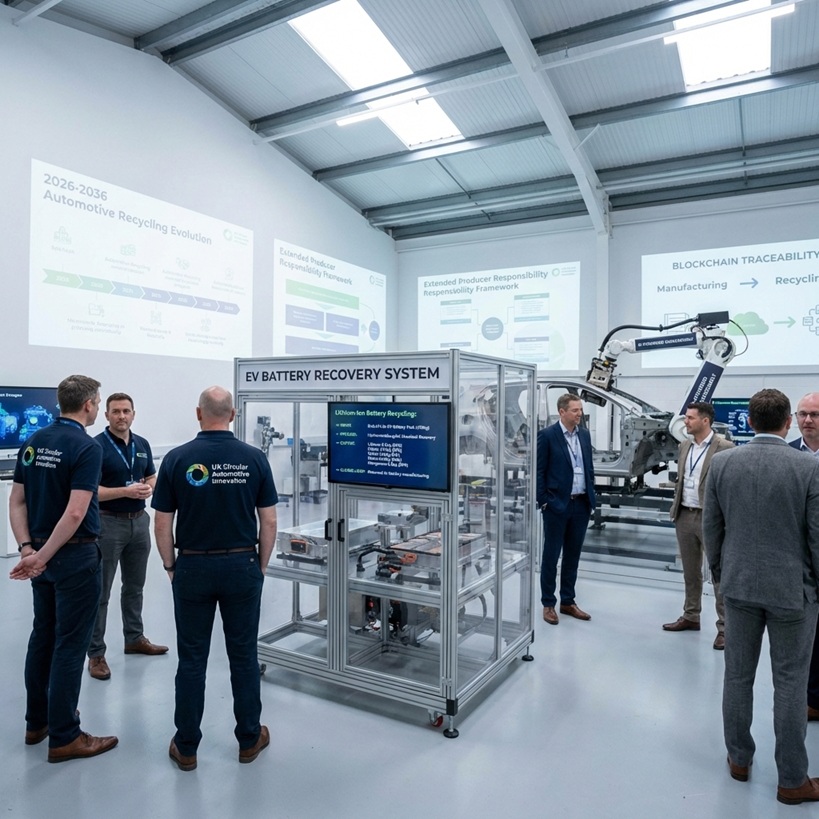
Smart dismantling is an automated approach to identifying car parts. It finds parts that can be reused, refurbished, or resold before a vehicle gets recycled. The system combines computer vision, robotics, and AI for identifying reusable parts. This streamlines the entire dismantling process.
Here’s how it works in principle:
Computer vision acts as the “eyes” of the system. It scans vehicles and recognises parts.
AI serves as the “brain” determining which parts are valuable. It identifies what’s reusable or recyclable.
Robotics handle the physical dismantling. They ensure parts get removed without damage.
This approach means everything gets evaluated for reuse first. From headlights to alloy wheels and interior panels. Only then does the car go for shredding.
I remember watching a young lad at the yard try to remove a perfectly good headlight assembly. Took him twenty minutes and he still cracked the lens. These robotic systems do the same job in ninety seconds without a scratch. Times have changed.
The Tech Behind Smart Dismantling
The tech for reusable car parts has advanced rapidly. It’s turning scrapyards into sophisticated recycling hubs. The system combines digital scanning, data analysis, and automation. This identifies and extracts valuable parts with impressive accuracy.
Here’s a step-by-step look at how it works:
Scanning and Imaging
Each vehicle gets scanned using 3D cameras and laser sensors. This creates a detailed digital model of the car. It maps every visible component precisely.
AI Analysis
The AI system examines the 3D model carefully. It compares this against a massive database of car parts. It recognises which components are in good condition. It flags those that are damaged or worn out.
Decision-Making Algorithms
Using real-time data and predictive analytics, the system decides what happens next. Which parts should be removed for resale? Which for reuse? Which for recycling?
Robotic Dismantling
Robots equipped with mechanical tools carry out the physical dismantling. They remove parts safely and efficiently. Damage gets avoided.
This technology eliminates guesswork entirely. Every usable part gets identified and preserved. Think of it like having a master mechanic with X-ray vision who never gets tired. That’s essentially what these systems are.
Benefits of Smart Dismantling
Implementing tech for reusable car parts provides wide-ranging benefits. These span environmental, economic, and operational advantages. It’s not just about saving time. It’s about redefining what sustainable recycling looks like.
1. Reduces Waste
By recovering parts before shredding, smart dismantling keeps more materials in circulation. This reduces landfill use significantly. It lowers the carbon footprint of the recycling process too.
2. Saves Money
Reusing or reselling parts cuts costs for both recyclers and consumers. Affordable, high-quality used parts make vehicle repairs more accessible. Everyone benefits financially.
3. Speeds Up Dismantling
Automation allows facilities to process vehicles much faster. Traditional manual methods can’t compete. This increases throughput and overall efficiency dramatically.
4. Increases Accuracy
AI systems can identify subtle damage or wear. Things the human eye might miss. This improves quality control and reduces waste further.
5. Supports Responsible Recycling
Smart dismantling ensures every component gets processed responsibly. Whether reused, recycled, or safely disposed of. Everything aligns with environmental standards.
Drivers wanting to support this technology can explore car recycling services to understand modern processing standards better.
Challenges and Future Trends
The potential is huge, but smart dismantling isn’t without obstacles. The technology is still evolving. Implementing it requires significant investment and technical expertise.
Current Challenges
High setup costs are a major barrier. Smart dismantling systems require advanced hardware. They need AI training and robotics too.
Complexity of vehicles creates difficulties. Cars vary by make, model, and design. This makes universal AI models difficult to train properly.
Infrastructure gaps exist widely. Not all scrapyards have the digital infrastructure. They can’t support automation yet.
Future Trends
As these challenges get overcome, emerging car recycling technologies will continue reshaping the industry.
Predicted developments include several exciting areas:
Improved AI models will bring smarter algorithms. Recognition and valuation of reusable parts will get better.
Increased automation means robots handling more tasks. Dismantling and sorting will become even more automated.
Data integration will link dismantling systems together. Online marketplaces will enable faster resale of used components.
Predictive maintenance analytics will use recycled part data. This forecasts vehicle repair trends accurately.
Understanding how nationwide collection services work shows how modern recycling integrates multiple technologies seamlessly.
How Smart Dismantling Impacts the Car Scrapping Industry
Smart dismantling represents a major shift. It changes how scrapyards operate fundamentally. Traditional methods focused on crushing vehicles for scrap metal. But AI for identifying reusable parts has added a new dimension. One focused on extracting maximum economic and environmental value.
Industry-wide impacts include several key changes:
Higher standards are emerging. Facilities adopting this tech raise expectations. Efficiency and quality improve across the board.
Increased competition drives investment. Businesses invest in automation to stay competitive.
Better returns come from salvaging reusable parts. This happens before recycling. It boosts profitability significantly.
Compliance and transparency improve. Systems integrated with data platforms make tracking easier. Recycling compliance becomes simpler to monitor.
By combining automation with sustainability, the industry evolves. It’s moving from waste management to resource recovery.
Drivers can connect with treatment facilities to ensure their vehicles get processed using advanced methods.
The Environmental Benefits
Smart dismantling is a crucial part of environmentally responsible car recycling. By focusing on part reuse, it supports a circular economy. It reduces the overall environmental impact of vehicle disposal too.
Environmental advantages include multiple benefits:
Lower emissions result from reusing parts. This reduces the need for new manufacturing.
Less waste means fewer materials end up in landfill.
Energy savings are substantial. Reconditioning and reuse consume less energy than producing new parts.
Resource conservation keeps precious materials circulating. Aluminium, copper, and plastics stay in use longer.
It’s a process that supports sustainability targets. It maintains economic value across the supply chain simultaneously.
Drivers wanting to understand their role can see why responsible recycling matters for environmental protection.
Integrating Smart Dismantling with the Circular Economy
The future of car recycling lies in creating a truly circular automotive ecosystem. Smart dismantling acts as the crucial link. It connects end-of-life vehicles with new production cycles.
When parts get recovered, reconditioned, and reused, manufacturers can reduce dependency on raw materials. In turn, this reduces emissions. It supports sustainable manufacturing practices.
This synergy aligns perfectly with Extended Producer Responsibility (EPR). These are policies making manufacturers accountable. They’re responsible for the lifecycle of their vehicles.
Understanding how to notify DVLA completes the compliance circle for vehicle disposal.
Getting Involved: How Drivers and Businesses Can Support Smart Dismantling
You don’t need to be an engineer to support sustainable recycling practices. Every vehicle owner can make a difference. Choose responsible recyclers. Support the reuse of parts.
Practical steps include several actions:
Recycle responsibly. Always use certified providers. Work with ATF-approved partners who invest in modern technology.
Buy used parts. Choose quality second-hand components where possible. This reduces demand for new materials.
Spread awareness. Encourage others to understand the benefits. Smart dismantling deserves wider recognition.
Stay informed. Learn about legal requirements. Understand proper vehicle disposal procedures.
Whether scrapping a vehicle or sourcing spare parts, supporting technology-driven recycling ensures benefits. Cost savings and environmental protection both result.
Drivers can check vehicle values to understand how recovered parts influence overall recycling economics.
The Role of AI and Robotics
Automation continues transforming recycling operations. AI and robotics work together to identify parts faster than ever. They recover valuable components that manual processes would miss.
The technology isn’t just about speed though. It’s about precision and consistency. Every vehicle gets the same thorough assessment. Nothing valuable gets overlooked.
Those interested in advanced recycling can meet our partners who prioritise technological advancement and environmental responsibility.
Conclusion: The Future of Smarter Recycling
Smart dismantling is revolutionising the car recycling industry. Through AI for identifying reusable parts, computer vision, and robotics, recyclers can find components faster. They recover and reuse valuable parts more efficiently than ever before.
This technology represents the next step. It’s moving toward a fully circular automotive economy. One where nothing goes to waste. Every part finds a second life.
By choosing responsible recyclers like Scrap Car Network, drivers contribute to something important. A cleaner, smarter, and more sustainable future for vehicle recycling.
Have questions about recycling your vehicle responsibly? Contact our team for expert guidance on sustainable vehicle disposal.