Scrap My Car in Plymouth: Devon and Cornwall Scrap Guide
13th Apr, 2026
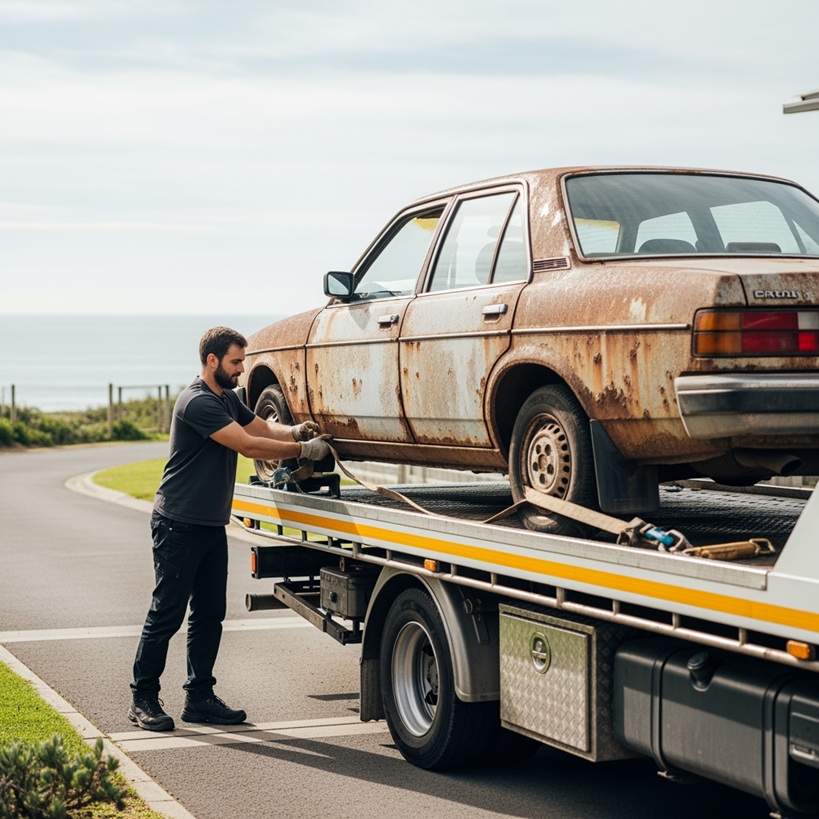
Got a car that’s seen better days sitting on your Plymouth drive? You’re not alone. Coastal living’s brilliant for many things, but it’s murder on vehicles. That salt air doesn’t just rust out your garden furniture.
Scrap Car Network connects Plymouth residents with licensed Authorised Treatment Facilities across Devon and Cornwall. Whether you’re in Stonehouse, Plymstock, or anywhere across the region, you’ll get competitive quotes and free collection without the hassle of sorting it yourself.
Let’s walk through exactly how to scrap your car in Plymouth, what sort of money you can expect, and why choosing the right facility matters when you’re this close to the sea.
Why Plymouth Cars Need Scrapping Sooner
Living by the coast is lovely until you look underneath your car. That salt spray doesn’t just sit on the surface. It gets into every crevice, accelerates corrosion, and turns perfectly solid metal into Swiss cheese faster than you’d believe.
Plymouth vehicles face harsher conditions than cars inland. The marine environment means rust develops quicker, particularly on older vehicles that weren’t built with the same corrosion protection as modern cars.
Coastal Corrosion Problems
A ten-year-old Ford that’s spent its life in Birmingham might have surface rust. That same Ford after ten years near Plymouth seafront? You’re looking at structural issues.
Sills rot out. Subframes develop holes. Brake lines corrode. The undercarriage takes a proper battering from salt spray kicked up off wet roads.
I remember a customer from Devonport who brought in a twelve-year-old Vauxhall Astra that looked decent from the outside. Lovely paint, clean interior, drove fine. Stuck it on the ramps for an MOT and you could poke your finger through the rear subframe mountings. The salt had eaten right through where you couldn’t see it. That car was done, and it wasn’t even that old by inland standards.
Think of it like leaving a steel nail in seawater versus leaving one in your garage. Both will rust eventually, but the seawater nail corrodes ten times faster. Your car’s the same.
Common Plymouth MOT Failures
When MOT time rolls around, Plymouth cars often fail on structural corrosion that wouldn’t be an issue 50 miles inland. Excessive corrosion to load-bearing components means an automatic fail.
The reality is brutal: repairs often cost more than the car’s worth. Welding in new metal, replacing corroded brake lines, and sorting structural issues can easily run to £800-1,200. If your car’s only worth £500, you’re throwing good money after bad.
Engine problems and failed emissions tests happen everywhere, but Plymouth’s got that extra corrosion factor. It’s why coastal cars often get scrapped younger than their inland counterparts.
Legal Requirements for Plymouth Car Scrapping
You can’t just hand your car to anyone offering cash. UK law’s strict about this, and for good reason.
Only Authorised Treatment Facilities can legally scrap your car. These licensed centres meet environmental standards for handling hazardous materials and recycling vehicle components properly.
Why You Must Use Licensed ATFs
ATFs hold licences from the Environment Agency. They’ve got to follow proper depollution procedures, safely dispose of oils and fluids, and meet recycling targets. It’s not optional bureaucracy. It’s protecting the environment.
Using an unlicensed yard might seem cheaper initially, but you’re leaving yourself legally exposed. Without proper documentation, you’re still the registered keeper even after handing over the car.
Our network of Authorised Treatment Facilities ensures every transaction’s handled properly. You get the documentation you need, and the car’s processed according to environmental regulations.
Certificate of Destruction Protection
The Certificate of Destruction is your legal proof the car’s been properly scrapped. Once you’ve got it, you’re officially off the hook for anything that happens with that vehicle.
Without this certificate, you remain the registered keeper. If someone dumps your old car on wasteland or uses the registration plates illegally, you could face penalty charges.
The CoD protects you completely. It proves the car went to a licensed facility and was destroyed properly. The DVLA gets notified, and you’re removed from the vehicle record.
Plymouth Scrap Car Values and Pricing
Scrap car prices aren’t fixed. They fluctuate based on current metal prices, vehicle weight, and what salvageable parts are on the car.
A typical family car weighing around 1,200kg might fetch £200-400 in Plymouth. Larger vehicles with more metal get higher quotes. Smaller city cars get less.
What Affects Your Plymouth Quote
Weight’s the biggest factor. More metal equals more money. A small Fiat 500 weighs about 900kg. A big saloon like a BMW 5 Series might be 1,600kg. That difference matters.
Working components add value. If your engine’s sound but the body’s rotten, you’ll get more than straight scrap weight. Catalytic converters are worth decent money, especially on diesel vehicles and certain makes like Hondas and Toyotas.
Current scrap metal prices affect what you’ll receive. Steel prices go up and down based on global markets. When demand’s high, you get better quotes. When it drops, so do the prices.
Plymouth’s well-connected to recycling centres, so transport costs stay reasonable. You’re not paying extra for being on the coast like some remote Cornwall locations might.
Plymouth vs Rural Devon and Cornwall Pricing
Geography matters more than people realise. Plymouth benefits from being a proper city with good infrastructure. Head out into rural Devon or down into Cornwall, and things change.
Collection costs increase with distance. A car in Bodmin or Newquay might get a slightly lower quote than an identical vehicle in Plymouth because the collection journey adds 40-60 miles each way.
Some services charge extra for remote locations. We don’t – our free collection service covers the whole region – but it’s worth knowing that geography can affect quotes.
The Plymouth Collection Process
Arranging collection shouldn’t be complicated. Professional services work to clear timescales with confirmed appointments.
Getting Your Quote
You’ll need basic vehicle details: registration number, make, model, year, and current condition. Be honest about the state it’s in.
Is it running or not? Are all the parts there? Has the catalytic converter been stolen? The more accurate you are, the more accurate your quote will be.
You can compare quotes from multiple Plymouth ATFs through Scrap Car Network. Takes a couple of minutes and might get you an extra £50-100. Don’t settle for the first offer you see.
Collection Day Logistics
On collection day, make sure you’ve removed all personal belongings. Check the boot, glove box, door pockets, and under the seats. People lose all sorts: money, documents, tools, even house keys.
The driver arrives with proper recovery equipment. They’ll load your car, complete the paperwork with you, and sort out payment (usually bank transfer, sometimes cash depending on the facility).
The whole process takes 15-20 minutes. You hand over keys and documentation, they take the car, and you’re done.
Plymouth’s urban layout means most residential areas are easily accessible. Some narrow streets in the Barbican or older parts of Stonehouse might need the car parked on a main road, but that’s rare.
Required Documentation
You’ll need your V5C logbook if you’ve got it. The ATF uses section 9 to notify the DVLA the car’s been scrapped.
Proof of identity helps too – your driving licence works perfectly. If the car’s registered at a different address, bring something showing your current address.
Lost the V5C? Don’t panic. Plymouth ATFs deal with this regularly. You’ll need alternative proof of ownership: insurance documents, recent MOT certificates, or purchase receipts.
You can notify the DVLA online yourself if the logbook’s missing, or apply for a replacement V5C using form V62 (costs £25, takes about five working days).
Plymouth vs Wider Devon and Cornwall
Plymouth sits in a sweet spot. You’ve got city infrastructure and good connections, which benefits scrap car services. Head out into rural Devon or Cornwall, and things get more complicated.
Rural Collection Challenges
Remote locations face longer collection journeys. A farmhouse near Dartmoor or a cottage outside Bodmin means extra travel time and distance for collection drivers.
This affects quotes. Transport costs are real, and they get factored into what you’re offered. A car worth £300 in Plymouth might get quoted at £250 in a village 50 miles away simply because of collection logistics.
Narrow lanes complicate things too. Devon and Cornwall are brilliant for scenery but challenging for vehicle recovery. Some locations need smaller trucks or special arrangements.
Cornwall-Specific Considerations
Cornwall faces additional challenges. The A30 gets hammered with tourist traffic in summer, turning what should be a two-hour journey into four hours. This affects collection scheduling.
Winter weather occasionally closes moorland roads. Collection might get delayed by a few days if there’s heavy snow or flooding on the routes.
Cornish residents still get fair quotes, but geography’s a factor. Plymouth benefits from being the regional hub with better infrastructure and shorter collection distances.
Avoiding Dodgy Plymouth Scrap Yards
Not everyone advertising scrap car services operates legally. Some lack proper licensing, others reduce quotes on collection day, and a few abandon vehicles illegally.
Warning Signs of Unlicensed Operators
Watch out for these red flags:
- Refusing to provide an ATF licence number
- Offering suspiciously high quotes that seem too good to be true
- Not mentioning the Certificate of Destruction
- Vague about company registration or location
- Pressuring immediate decisions without written quotes
Legitimate services operate transparently. They’ll explain the process, provide written confirmation, and issue proper documentation.
You can check the Environment Agency’s public register to verify ATF licensing. Every licensed facility appears on this database with their permit details. If a company won’t provide this information, walk away.
DVLA Notification and Paperwork
The V5C logbook’s got a specific section for scrapping: section 9. This notifies the DVLA you’ve transferred the vehicle to an ATF for destruction.
Completing Section 9 Correctly
Fill in the ATF’s details, the date of transfer, and your signature. Post this section to the DVLA at the address printed on the form.
Keep the rest of the V5C until you receive confirmation from the DVLA that you’re no longer the registered keeper. This usually takes a few weeks.
The ATF provides the Certificate of Destruction, but you’re responsible for notifying the DVLA. Don’t assume they’ll handle it – that’s your job as the registered keeper.
Missing V5C Options
If you’ve lost the logbook, you can still scrap the car. The ATF will need extra identification to verify ownership: driving licence and proof of address usually suffice.
You can tell the DVLA your car’s been scrapped online through the GOV.UK website. You’ll need the vehicle registration and details of where it’s been scrapped.
Alternatively, apply for a replacement V5C, though this takes time and costs £25. For scrapping purposes, it’s often easier to use alternative documentation and notify the DVLA online.
Environmental Benefits in Coastal Plymouth
Proper car disposal matters everywhere, but it’s particularly important in coastal areas. Plymouth’s position means abandoned vehicles could leak fluids that eventually reach Plymouth Sound and the Tamar estuary.
Modern ATFs recover about 95% of each vehicle by weight. Steel, aluminium, copper, and plastics all get recycled. Only 5% goes to landfill, and that’s mostly materials that genuinely can’t be recovered.
Protecting Plymouth’s Marine Environment
Depollution removes all hazardous fluids before dismantling begins. Engine oil, brake fluid, coolant, and refrigerants get safely extracted and disposed of according to environmental regulations.
Batteries contain lead and acid. Tyres don’t biodegrade. Airbags need specialist handling. ATFs deal with all this properly, preventing contamination of soil and water.
This matters in Plymouth. You’re surrounded by water – Plymouth Sound to the south, the Tamar to the west. Protecting these environments means using licensed facilities that follow proper procedures.
Common Questions from Plymouth Residents
Let’s tackle some questions that come up regularly.
Can I Scrap Without Being Registered Keeper?
Generally, no. You need to be the registered keeper to legally scrap a car. ATFs need proof you’ve got the right to dispose of the vehicle.
Exceptions exist. If you’ve inherited a car and the registered keeper’s deceased, you can scrap it with appropriate documentation: death certificate, proof of relationship, and ideally a letter from the executor.
If you’ve bought a car but haven’t transferred the V5C yet, you’ll need to sort that first or get the previous keeper to authorise the disposal.
What About My Private Number Plate?
Transfer or retain personalised registrations before scrapping. Once the vehicle’s destroyed, you can’t recover the registration number.
The DVLA offers a retention service that holds the plate for future use. Sort this out before arranging collection – it’s much easier than trying to recover a plate afterwards.
How Long Until CoD Arrives?
Legally, ATFs must issue Certificates of Destruction within seven days. Most arrive within 2-4 days by email or post.
If you’ve not received yours after a week, contact the ATF directly. They should be able to resend it or confirm when it was issued.
Why Choose Professional Scrapping Services
Private sales for non-running cars mean weeks of advertising, answering enquiries from time-wasters, and dealing with people who don’t show up. Professional scrapping takes 24-48 hours from quote to collection.
You get guaranteed legal compliance. Proper documentation, licensed ATF handling, and no risk of the vehicle being abandoned with your name still attached.
The convenience is brilliant. One phone call or online form starts the process. The car disappears from your drive within days, and you’re done.
Fair pricing without negotiation hassle makes everything straightforward. You get a quote based on current market rates, and that’s what you receive. No last-minute reductions, no hidden fees.
Conclusion
Scrapping your car in Plymouth is straightforward when you use licensed facilities and follow the proper process. Coastal living accelerates corrosion, but that doesn’t complicate the scrapping procedure – it just explains why Plymouth cars often need scrapping sooner than inland vehicles.
Choose an Authorised Treatment Facility, get your Certificate of Destruction, and notify the DVLA properly. Three simple steps that protect you legally and ensure your old car gets recycled responsibly.
Don’t risk using unlicensed operators. The extra £20-30 they might offer isn’t worth the potential legal headaches if they dump the vehicle or fail to provide proper documentation.
If you’re ready to scrap your car in Plymouth, contact us to get started. We’ll help you compare quotes from licensed Devon and Cornwall ATFs and arrange free collection at a time that suits you. Simple, straightforward, and hassle-free.