Scrap Cars in Modern Sculpture Parks
20th Jan, 2026
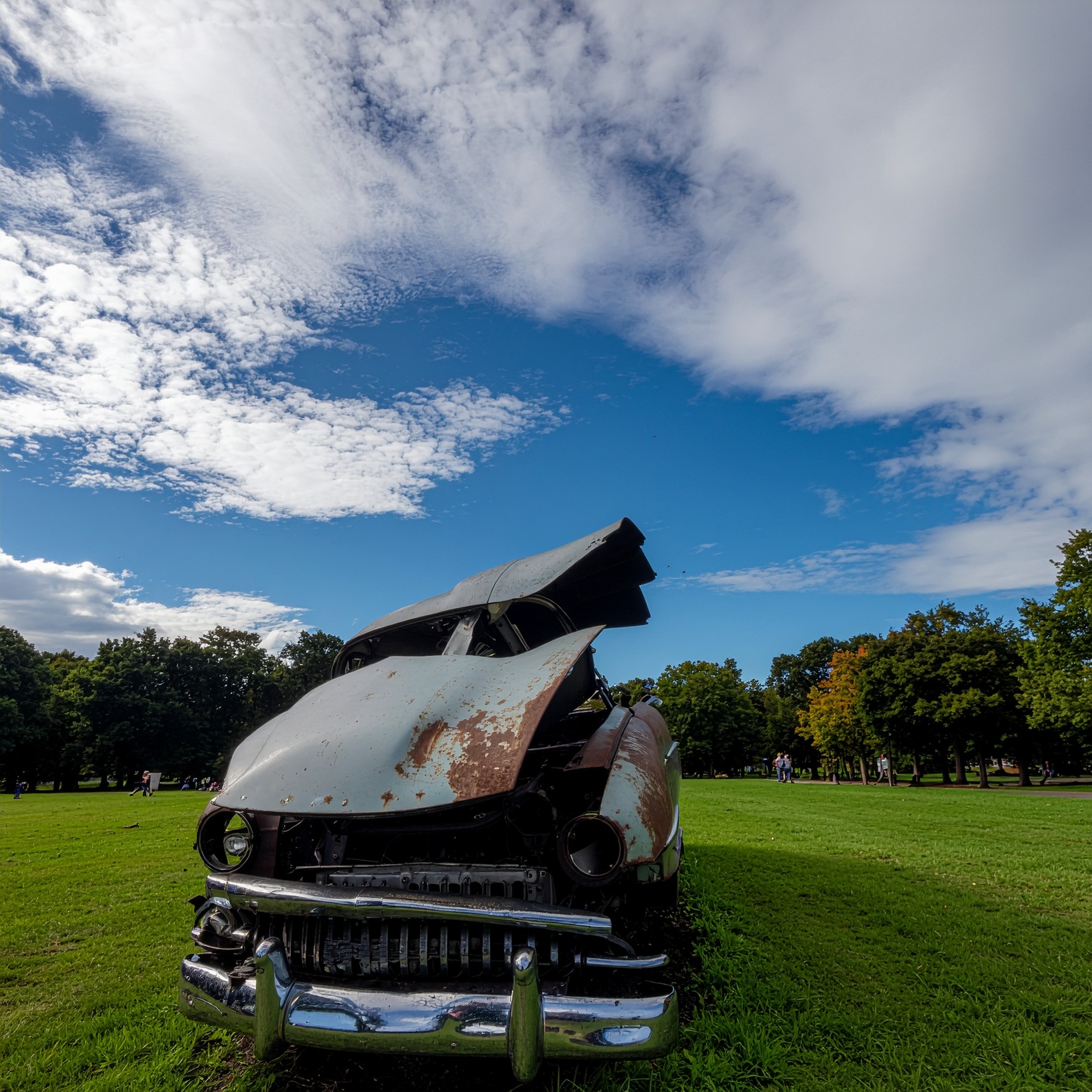
Ever wondered where your car goes after you scrap it? Most people assume it’s crushed, melted down, and becomes raw material for manufacturing. That’s true for about 95% of it. But occasionally, scrap cars in sculpture parks and art installations get a second life as thought-provoking public art, proving that proper scrapping through Authorised Treatment Facilities enables creative reuse alongside traditional recycling.
These scrap metal sculpture parks across the UK showcase what’s possible when vehicles are properly processed through environmental channels. Artists source materials from scrapyards and recycling centers, transforming chassis, body panels, and mechanical components into installations that make powerful statements about consumption, waste, and renewal.
Scrap Car Network ensures vehicles are properly depolluted and processed before any materials leave our facilities, whether heading to recycling or artistic reuse. Let’s explore how responsible scrapping supports both traditional recycling and creative repurposing.
Beyond the Scrapyard: Where Your Car Goes
When you scrap your vehicle through proper channels, it enters a well-regulated process designed to maximize environmental benefits and material recovery.
The Recycling Process
Authorised Treatment Facilities process scrapped vehicles systematically. First, they drain all fluids – engine oil, coolant, brake fluid, power steering fluid, and fuel. These hazardous materials require proper disposal according to environmental regulations.
Next, they remove batteries, airbags, catalytic converters, and other components containing valuable or hazardous materials. Tyres get removed for separate recycling. Glass gets extracted for processing.
The remaining shell then gets crushed and shredded. Magnets separate ferrous metals (steel and iron) from non-ferrous metals (aluminium, copper, brass). Plastics get separated through various processes. Overall, modern recycling recovers 95%+ of vehicle materials for reuse.
This is where most scrapped vehicles end up, and it’s environmentally crucial. But occasionally, properly processed components take a different path.
Creative Reuse Opportunities
Artists working on scrap cars in sculpture projects source materials through proper channels – either directly from ATFs after depollution, or from specialist salvage yards dealing in reclaimed materials. They’re not pulling hazardous vehicles from fields; they’re using properly processed components that have already been environmentally cleared.
Scrap metal sculpture parks feature installations ranging from abstract forms to recognizable vehicle shapes. Some artists weld crushed car bodies into towering structures. Others create figurative works from mechanical components. The creativity is remarkable, but it’s built on foundation of proper environmental processing.
I remember visiting a sculpture park in Yorkshire where they’d built an entire installation from Ford Escorts. The artist explained he’d worked with local scrapyard to source bodies after all fluids were drained and components removed. It was stunning – dozens of colourful shells arranged in wave patterns, completely safe and environmentally compliant. Made you think differently about what happens when you scrap a car.
Why Artists Choose Scrapped Vehicles
The appeal of using scrapped cars in art goes beyond mere availability.
Abundance and Accessibility
The UK scraps roughly 2 million vehicles annually. That’s enormous material stream available for creative reuse after proper environmental processing. For artists, this represents affordable, abundant materials with strong visual characteristics.
Working with ATFs and our environmentally responsible car recycling network ensures materials are properly cleared before artistic use. This protects artists legally and environmentally whilst providing suitable materials for large-scale installations.
Cost-effectiveness matters for artists working on public installations. Reclaimed materials cost fraction of new steel whilst offering unique aesthetic qualities impossible to replicate with pristine materials.
Visual and Symbolic Power
Aged vehicles carry visual stories. Faded paint, weathered metal, dents, and imperfections speak of time, use, and transformation. These characteristics create emotional resonance impossible with new materials.
Symbolically, vehicles represent freedom, mobility, progress, and personal identity. When they become scrap, meaning shifts to consumption, waste, environmental consequence, and lifecycle completion. This transformation from symbol of aspiration to symbol of disposal creates powerful artistic narrative.
Think of scrap metal sculpture parks like museums of material lifecycle – they show what happens when aspirational objects reach end of useful life, then find new purpose through creative reuse. It’s circular economy made visible.
Environmental Responsibility in Artistic Reuse
Proper environmental handling remains essential whether vehicles are recycled traditionally or used artistically.
Hazardous Material Removal
Artists cannot legally or safely work with vehicles containing fluids, batteries, or airbags. All hazardous materials must be professionally removed before materials leave ATFs.
This depollution process includes:
- Complete fluid drainage (oils, coolants, refrigerants)
- Battery removal and recycling
- Airbag deactivation and disposal
- Catalyst removal for precious metal recovery
- Tyre removal for separate recycling
Only after this professional processing can components safely enter artistic use. This protects artists, public, and environment whilst ensuring compliance with UK waste regulations.
Environmental Compliance
Artists sourcing materials must verify proper depollution occurred. Reputable sculpture parks and installations work exclusively with certified recyclers and ATFs to ensure environmental compliance.
This certification matters legally and ethically. Using improperly processed materials creates environmental liability and legal risk. Proper sourcing through channels like Scrap Car Network guarantees materials meet environmental standards.
Where Scrapped Cars Become Art
Scrap metal sculpture parks and installations exist across the UK, showcasing creative reuse of properly processed materials.
Major UK Sculpture Parks
Yorkshire Sculpture Park occasionally features automotive-inspired installations exploring industrial heritage and material transformation. Their outdoor setting provides perfect context for large-scale metalwork.
Jupiter Artland in Scotland hosts experimental works including pieces created from reclaimed metals and repurposed vehicle components. Their focus on contemporary art includes environmental themes perfectly suited to automotive material reuse.
Cass Sculpture Foundation in West Sussex supports large-scale outdoor works, many with sustainability themes. Several installations have incorporated properly sourced automotive materials.
These aren’t tourist traps; they’re serious contemporary art venues where scrap cars in sculpture appear alongside other major works, demonstrating that properly processed scrap metal is legitimate artistic material.
Temporary Exhibitions and Festivals
Festivals like Glastonbury occasionally feature temporary installations using vehicle components. These works blend environmental messaging with visual impact, creating talking points about consumption and waste.
Community art projects often incorporate automotive materials sourced from local scrapyards. Schools and colleges partner with recyclers to create educational installations teaching circular economy principles through hands-on creative work.
The Scrapping Process Enabling Art
Proper scrapping through ATFs creates foundation allowing artistic reuse while protecting environment.
Authorised Treatment Facilities
ATFs process vehicles according to strict environmental standards. They must:
- Hold proper environmental permits
- Follow depollution procedures exactly
- Maintain records of waste disposal
- Ensure proper material separation
- Meet regular inspections
This regulated process ensures materials leaving facilities – whether heading to recycling or artistic reuse – are environmentally safe and legally compliant.
When artists source from our scrap car dealers network, they’re getting properly processed materials with full documentation and environmental clearance. This protects everyone involved whilst supporting creative reuse.
Circular Economy Benefits
Scrap metal sculpture parks demonstrate circular economy principles visually. Materials that served transportation purposes for years find new purpose in public art, extending useful life before eventual recycling.
This extended lifecycle reduces demand for new materials. Every tonne of reclaimed steel used in sculpture is a tonne not requiring virgin iron ore mining, smelting, and processing. Environmental benefits multiply when proper scrapping enables both recycling and creative reuse.
Educational Value of Automotive Art
Beyond aesthetics, scrap cars in sculpture serve important educational functions.
Public Understanding of Recycling
Visitors to sculpture parks often gain new appreciation for material reuse. Seeing beautiful installations created from scrapped vehicles challenges assumptions about waste having no value.
This educational impact extends understanding of why proper scrapping through ATFs matters. When people realize scrapped materials can become public art, not just melted steel, they better appreciate the importance of responsible disposal channels.
Many installations include information about sourcing, explaining how artists obtained materials through proper environmental channels. This transparency educates public about recycling infrastructure and proper disposal importance.
Community Engagement
Collaborative projects between artists, recyclers, schools, and environmental groups create hands-on learning opportunities. Students might help design installations using reclaimed materials, learning about environmental compliance, material properties, and creative reuse simultaneously.
These projects demonstrate that proper scrapping supports multiple positive outcomes – traditional recycling, artistic reuse, education, and community engagement – all built on foundation of environmental responsibility.
Economic Benefits of Proper Scrapping
The recycling industry supporting both traditional processing and artistic reuse creates significant economic value.
Recycling Industry Support
ATFs employ thousands across the UK in skilled roles including vehicle processing, hazardous waste handling, material sorting, and environmental compliance. This employment depends on steady flow of properly scrapped vehicles.
When you scrap through proper channels rather than abandoning vehicles or using illegal operators, you support legitimate businesses employing people and contributing to local economies whilst protecting environment.
Tourism and Local Benefits
Scrap metal sculpture parks attract visitors, supporting local businesses through accommodation, dining, and retail spending. This economic multiplier effect demonstrates how proper scrapping – enabling both recycling and artistic reuse – creates economic value beyond just material recovery.
Future of Scrapped Vehicle Reuse
Emerging trends suggest expanding opportunities for creative material reuse alongside traditional recycling.
Electric Vehicle Component Reuse
As electric vehicles become common, new material streams emerge. Large battery packs, distinctive body panels, and unique mechanical components offer artists novel materials with different aesthetic qualities than traditional vehicles.
We’re already seeing early installations incorporating EV components. As volumes increase through our recycling network, expect more artists exploring these materials’ creative potential.
Technology Integration
Some installations now incorporate digital elements – lighting, sound, or interactive features powered by solar panels or reclaimed EV batteries. This merger of traditional sculpture with technology creates engaging experiences whilst demonstrating sustainable design principles.
Material tracking technology may soon allow visitors to trace individual components from vehicle registration through scrapping to artistic installation, providing complete transparency in circular material flows.
Your Role in Supporting Creative Reuse
Responsible scrapping through proper channels enables both traditional recycling and artistic reuse.
Choosing Proper Scrapping Channels
When you get an instant quote through Scrap Car Network, you’re ensuring your vehicle enters regulated processing where:
- Environmental compliance is guaranteed
- Materials are properly processed
- Recycling is maximized
- Creative reuse opportunities exist for suitable components
Illegal scrapping or vehicle abandonment prevents any positive reuse. Materials rust away contaminating soil and water, and creative potential is lost. Proper disposal through ATFs protects environment whilst supporting circular economy.
Supporting Sustainable Practices
Your choice to scrap responsibly rather than abandon vehicles or use illegal operators matters enormously. Multiply your decision by millions of vehicle owners annually, and collective impact becomes massive.
Every vehicle properly processed through our car recycling network supports environmental protection, legitimate employment, material recovery, and occasionally, artistic creation demonstrating sustainable design principles.
Conclusion
Scrap cars in sculpture and scrap metal sculpture parks demonstrate that proper vehicle scrapping through Authorised Treatment Facilities enables creative reuse alongside traditional recycling. These installations prove scrapping isn’t wasteful; it’s essential step in circular economy allowing materials to find new purposes.
Whether your scrapped vehicle becomes recycled steel in new manufacturing or component in public art installation, proper disposal through regulated channels protects environment whilst supporting sustainable material flows.
The next time you see sculptural installation using automotive materials, remember it started with someone making responsible decision to scrap through proper channels rather than abandoning their vehicle. Your scrapping choice matters – for environment, for legitimate businesses, and occasionally, for art.
Ready to ensure your vehicle is properly processed? Contact us to discuss responsible scrapping that supports both environmental protection and creative material reuse. Your end-of-life vehicle deserves proper handling, whether it becomes recycled steel or part of sculpture park installation.