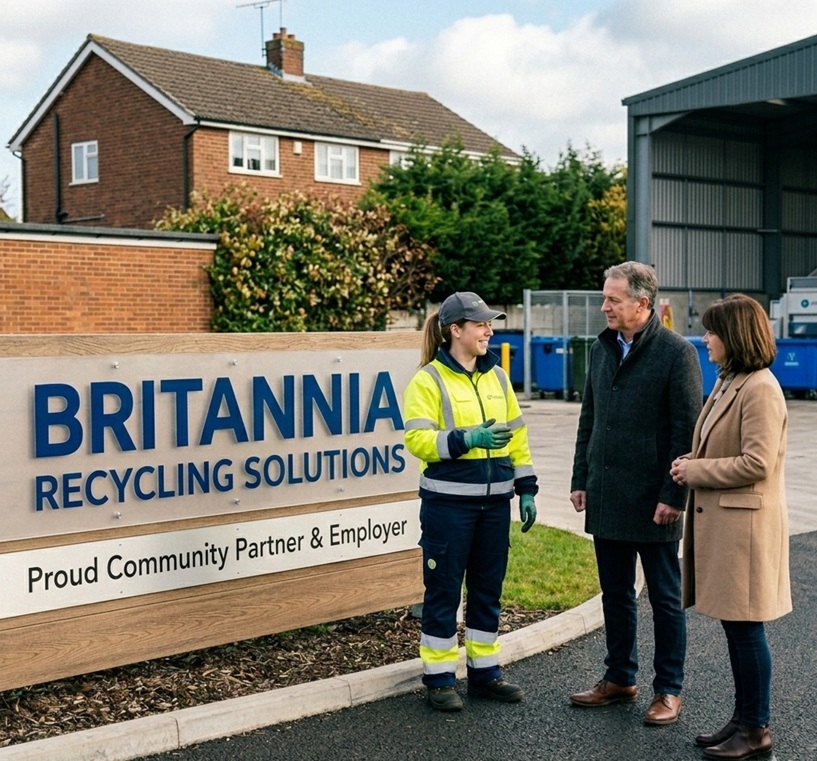
Recycling Plants as Community Anchors
6th Mar, 2026
Modern industrial facilities often fade into the background of daily life, yet recycling plants are quietly becoming essential pillars of local communities across Britain. These operations process thousands of tonnes of materials annually whilst simultaneously strengthening the economic and social fabric of the areas they serve.
The transformation of recycling plants and communities from reluctant neighbours to genuine partners represents one of the most significant shifts in British industrial relations over the past two decades. What once seemed like purely functional infrastructure now drives local employment, environmental progress, and community development in measurable ways.
Understanding this relationship requires looking beyond the obvious environmental benefits. Local processing centres create ripple effects that touch nearly every aspect of community life, from job creation to infrastructure improvements. The facilities that succeed do so by recognising their role extends far beyond waste management.
Economic Powerhouses in Disguise
The financial impact of recycling facilities on local economies shouldn’t be underestimated. A single automotive recycling plant typically employs between 15 and 150 people, depending on operational scale and processing capacity. These positions span multiple skill levels and disciplines.
Modern recycling operations require diverse talent. Skilled technicians maintain complex machinery, environmental specialists ensure regulatory compliance, logistics coordinators manage supply chains, and administrative staff handle business operations. The employment opportunities extend well beyond manual labour.
Scrap Car Network connects with facilities that collectively employ thousands of workers across the UK. These jobs demonstrate remarkable stability because end-of-life vehicle disposal remains constant regardless of economic fluctuations. Recessions don’t eliminate the need for recycling services.
The economic benefits multiply through local spending patterns. Recycling plant wages circulate through neighbourhood shops, restaurants, service providers, and housing markets. Each pound earned at a facility generates additional economic activity throughout the surrounding area.
Local processing centres also attract secondary businesses. Transport companies, equipment suppliers, maintenance contractors, and professional services all establish operations near major recycling facilities. This clustering effect strengthens regional economic resilience.
Property tax revenues from these facilities fund local schools, emergency services, and infrastructure maintenance. A large recycling operation can contribute tens of thousands of pounds annually to council budgets, supporting services that benefit all residents.
Environmental Stewardship That Matters
Contemporary recycling facilities bear little resemblance to the chaotic scrapyards of previous decades. Today’s operations are highly regulated, environmentally conscious businesses that frequently exceed minimum legal requirements for emissions control and waste management.
Automotive recycling demonstrates this transformation particularly well. When vehicles reach end-of-life stage, our specialised, eco-friendly service ensures up to 85% of each vehicle gets recycled or reused. Steel flows to foundries, aluminium supplies manufacturing plants, and plastic components find new applications in consumer products.
The community relevance extends beyond processing efficiency. Many facilities function as informal environmental education centres. Local schools arrange site visits, community groups learn about sustainable practices, and residents gain direct insight into circular economy principles.
Some recycling plants sponsor local environmental initiatives ranging from tree planting to river clean-up projects. These investments demonstrate that industrial operations and environmental responsibility complement rather than contradict each other.
Depollution processes protect local water tables and soil quality. Proper handling of hazardous materials like battery acid, engine oil, and refrigerants prevents contamination that could affect community health for generations. Regulatory oversight ensures these standards are maintained consistently.
Air quality improvements represent another tangible benefit. By removing end-of-life vehicles from roads and preventing illegal dumping or backyard dismantling, recycling facilities reduce pollution sources that would otherwise affect neighbourhood air quality.
Skills Development and Training
Recycling operations have become unexpected training grounds for valuable technical skills. Modern facilities use sophisticated machinery, computer systems, and quality control processes requiring ongoing education and professional certification.
Many plants partner with local colleges and training providers to offer apprenticeships and continuing education programmes. Young people who struggle to find clear career paths discover opportunities in logistics, environmental science, mechanical operations, and business management.
The skills transfer works bidirectionally. Experienced workers from other industries, former mechanics, construction workers, manufacturing employees, often find their existing knowledge highly valued in recycling operations. Technical expertise adapts readily to new applications.
Certification programmes in hazardous materials handling, equipment operation, and environmental compliance provide workers with nationally recognised qualifications. These credentials enhance career mobility and earning potential beyond the immediate employer.
Some facilities operate their own training centres, offering courses not only to employees but also to workers from other local businesses. This community investment builds goodwill whilst ensuring a skilled labour pool remains available locally.
Community Integration Challenges
Not every relationship between recycling plants and communities begins smoothly. Initial resistance from local residents often centres on concerns about noise, traffic volume, visual impact, or property values.
Success depends heavily on integration efforts. Effective facilities invest substantially in noise reduction technology, traffic management systems, and visual screening. They maintain open communication channels with neighbours and address concerns proactively rather than reactively.
Some operations hold quarterly community meetings where residents ask questions, raise concerns, and learn about planned changes or improvements. Direct phone lines for complaints, with genuine, prompt responses, prevent minor issues from escalating into major conflicts.
Less successful operations treat their surroundings as obstacles to tolerate rather than stakeholders to engage. These facilities face ongoing conflicts, planning objections, and regulatory scrutiny that better community relations could prevent entirely.
Transparency initiatives build trust over time. Publishing environmental monitoring data, inviting community representatives to tour facilities, and participating in local events demonstrate commitment to being good neighbours rather than isolated industrial operations.
The physical appearance of facilities matters more than many operators initially recognise. Well-maintained grounds, attractive signage, and proper screening show respect for the surrounding area and influence public perception significantly.
Innovation Hubs in Unexpected Places
Modern recycling facilities increasingly function as innovation centres, particularly in materials science and process efficiency. Operators constantly experiment with new methods to extract value from waste streams whilst improving environmental performance.
This innovation creates opportunities for partnerships with universities, research institutions, and technology companies. Some facilities host student projects, collaborate on research initiatives, or serve as testing grounds for emerging recycling technologies.
Communities benefit from exposure to cutting-edge thinking about sustainability and resource management. Local businesses often gain from the problem-solving expertise that develops in these environments, recycling operations excel at finding creative solutions to complex logistical challenges.
Process improvements developed at one facility frequently spread throughout the industry, raising standards across entire regions. Communities hosting innovative operations gain reputation advantages that attract other forward-thinking businesses.
Data analytics, automation, and artificial intelligence are transforming recycling operations. Facilities investing in these technologies require workers with digital skills, creating demand for training and education in technical fields that benefit the broader local economy.
Supporting Local Infrastructure
Recycling plants contribute to community infrastructure in ways that aren’t immediately apparent. Major facilities often upgrade local road networks, improve utility connections, and enhance transportation links that serve everyone in the area.
When significant recycling operations locate in a region, they typically bring improvements to power supplies, telecommunications infrastructure, and sometimes public transport connections. These upgrades benefit the broader community long after initial construction completes.
The facilities also provide essential services that communities need but might struggle to access otherwise. Our free nationwide scrap car collection service means residents don’t face the challenge of transporting end-of-life vehicles to disposal points themselves.
Road improvements funded partially or entirely by recycling operations reduce congestion and improve safety for all local traffic. Upgraded junctions, better signage, and improved surface quality serve residents, businesses, and passing traffic equally.
Utility infrastructure enhancements, upgraded electrical capacity, improved water systems, enhanced telecommunications, create opportunities for other businesses to locate in the area. The initial investment by recycling facilities generates ongoing benefits for regional economic development.
Building Social Capital
Well-run local processing centres become woven into the social fabric of their communities. They sponsor local sports teams, support charity events, and provide venues for community meetings or educational programmes.
Recycling plant managers often serve on local business associations, school governing bodies, and community development committees. Their expertise in logistics, environmental management, and regulatory compliance proves valuable in many different contexts.
Facilities sometimes become sources of community pride, particularly when achieving recognition for environmental performance or innovation. Residents appreciate having local businesses that demonstrate responsible practices and contribute positively to the area’s reputation.
Charitable contributions from recycling operations support food banks, youth programmes, and emergency services. Some facilities match employee charitable donations or provide paid volunteer time for community service activities.
The relationship between recycling plants and communities strengthens when facilities actively participate in local events. Sponsoring festivals, hosting open days, or supporting school programmes builds personal connections that transcend purely business relationships.
Future-Proofing Communities
As Britain advances towards greater environmental sustainability, communities with established recycling infrastructure find themselves better positioned for future challenges. These facilities provide foundations for circular economy initiatives and sustainable development projects.
The expertise and infrastructure that recycling plants represent becomes increasingly valuable as environmental regulations tighten and resource scarcity intensifies. Communities embracing these facilities early often find themselves ahead on sustainability initiatives.
Our network of Authorised Treatment Facilities demonstrates how recycling operations maintain high standards whilst serving diverse community needs across different regions and demographics.
Climate change adaptation requires robust local infrastructure for resource recovery and waste management. Communities with strong recycling capabilities will handle environmental pressures more effectively than those dependent on distant processing facilities.
The shift towards electric vehicles presents both challenges and opportunities for automotive recycling operations. Facilities investing in battery recycling technology and training workers in new skills position their communities advantageously for the transition to zero-emission transport.
Measuring Success
The most effective recycling plants measure community impact alongside operational metrics. They track local employment numbers, community investment levels, environmental improvements, and resident satisfaction scores.
These facilities understand that long-term success depends on community acceptance and support. They invest in relationships, maintain transparency about operations, and actively seek feedback from local stakeholders.
Performance monitoring helps identify improvement areas and demonstrates facility value to local decision-makers, residents, and potential partners. Evidence-based community engagement proves more effective than good intentions alone.
Regular reporting on economic contributions, environmental performance, and community investments builds trust and accountability. Facilities publishing annual community impact reports demonstrate commitment to transparency and continuous improvement.
The Bigger Picture
Recycling plants serve as bridges between individual environmental responsibility and large-scale industrial processes. When residents get in touch about scrapping vehicles, they participate in systems extending far beyond simple waste disposal.
These facilities demonstrate that environmental stewardship and economic development aren’t competing priorities, they’re complementary aspects of sustainable community development. Successful operations prove industrial facilities can enhance rather than detract from local quality of life.
The relationship between recycling plants and communities continues evolving as environmental awareness and community expectations increase. Facilities that thrive embrace their role as community partners rather than merely industrial operators.
Looking ahead, these relationships will likely become even more important as Britain works towards net-zero targets and circular economy goals. Communities with strong recycling infrastructure and positive facility relationships will be better positioned to adapt to changing environmental and economic conditions.
The key lies in recognising that recycling plants aren’t just industrial necessities, they’re potential community assets that contribute to local prosperity, environmental improvement, and social cohesion when properly integrated and managed. The most successful local processing centres understand this reality and act accordingly.