How Scrap Materials Power Renewable Energy Projects
19th Dec, 2025
Renewable energy may seem like a clean, futuristic industry built on innovation and technology, but its foundation often relies on something far more traditional: scrap materials. From wind turbines to solar panels and electric vehicles, recycled metals, plastics, and concrete are now powering a new era of clean energy.
This interconnection between recycling and renewable energy demonstrates how renewable energy from scrap is not just possible, but essential to achieving a sustainable, low-carbon future.
The Role of Recycled Metals
Metals form the backbone of the renewable energy industry. Steel, aluminium, and copper are critical in everything from wind turbine towers to solar panel wiring and electric vehicle motors.
Steel and Aluminium
Wind turbines rely on massive amounts of steel to form their support towers and internal components. Recycling this steel instead of producing it from raw ore reduces energy use dramatically. For example, recycling aluminium consumes only around 5% of the energy required to produce new aluminium from bauxite (Source: The Aluminium Association).
Copper
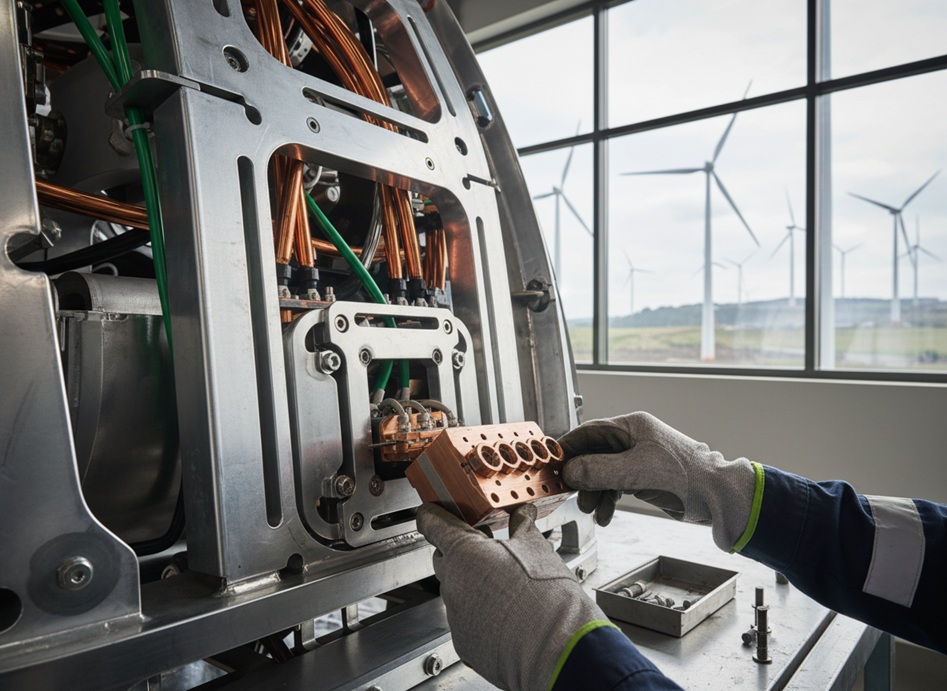
Copper’s high conductivity makes it vital for electrical wiring in both wind and solar systems. Using recycled copper helps limit environmental damage caused by mining while keeping up with increasing demand for green technologies.
Key takeaways:
- Recycled metals are fundamental to renewable energy infrastructure.
- Using recycled steel, aluminium, and copper reduces energy use and emissions.
- Metal recycling supports the sustainable expansion of the renewable energy sector.
Learn more about how vehicle recycling contributes to metal recovery in the Scrap Car Network car recycling process.
Scrap Plastics in Solar Panels
While metals get most of the attention, plastics also play a key role in renewable energy systems, particularly in solar panels. Recycled plastics can be used in panel casings, mounting systems, and insulation components.
Recycling plastics reduces the reliance on new polymer production, lowers emissions, and diverts waste from landfill. According to the British Plastics Federation, recycled plastics save energy and reduce carbon output compared to virgin materials.
Key takeaways:
- Recycled plastics contribute to solar panel construction and insulation.
- Plastic recycling helps divert waste and cut carbon emissions.
- Reusing polymers supports the sustainability of renewable technologies.
Concrete Recycling in Hydropower
Hydropower infrastructure depends heavily on concrete, one of the most widely used materials in the world. Recycling concrete from demolished buildings or infrastructure reduces the need for new raw materials such as sand and gravel, resources that are becoming increasingly scarce.
Crushed concrete can serve as an aggregate for new hydropower projects, maintaining strength and durability while significantly lowering environmental impact. This sustainable approach reduces waste and limits carbon emissions associated with cement production.
Key takeaways:
- Recycled concrete is used in hydropower dam construction.
- The practice reduces demand for virgin aggregates and lowers emissions.
- Concrete recycling contributes to greener infrastructure development.
Specific Examples of Scrap Use in Renewable Energy
Across the UK and globally, renewable energy manufacturers are incorporating recycled materials into their designs. These examples illustrate how scrap materials renewable energy partnerships are shaping the future of sustainability.
Wind Turbine Manufacturing
Modern wind turbines can contain over 70% recyclable materials. Manufacturers increasingly use recycled steel and aluminium in turbine towers and blades, lowering both cost and carbon footprint.
Some UK-based wind farms prioritise locally sourced scrap steel, reinforcing the connection between regional recycling industries and national energy goals.
Solar Panel Production
Solar panel manufacturers are turning to recycled materials, including silicon reclaimed from older panels or electronics. Using recycled silicon reduces manufacturing energy demands and supports a more circular supply chain for renewable energy.
Battery Recycling and Electric Vehicles
The electric vehicle (EV) industry is driving demand for efficient battery recycling. Lithium, cobalt, and nickel, essential for EV batteries, can be recovered from used cells and reprocessed into new batteries. This circular approach is helping to ensure that the growth of electric mobility aligns with sustainability objectives.
Key takeaways:
- Wind turbines increasingly incorporate recycled steel and aluminium.
- Recycled silicon enhances the sustainability of solar panels.
- Battery recycling recovers critical materials for future EV production.
Discover how Scrap Car Network supports material recovery from vehicles to power a cleaner energy system.
Benefits of Using Scrap Materials
Using scrap in renewable energy projects delivers significant environmental and economic benefits while promoting a sustainable, circular model of production.
Environmental Benefits
- Reduced Mining Impact: Recycling reduces the need for mining, which causes deforestation, soil erosion, and water contamination.
- Lower Energy Consumption: Processing scrap metals uses considerably less energy than producing new materials.
- Lower Emissions: Recycling helps cut greenhouse gas emissions across manufacturing supply chains.
Economic Benefits
- Lower Costs: Recycled materials are typically cheaper than virgin alternatives, reducing overall project expenses.
- Job Creation: The recycling industry provides skilled employment and supports local economies through processing and logistics.
Supporting the Circular Economy
Reusing and recycling materials ensures that resources remain in circulation for longer, minimising waste and environmental strain. This principle underpins the circular economy, where every product has multiple lifecycles.
Key takeaways:
- Environmental advantages include reduced mining, lower emissions, and energy savings.
- Economic benefits include cost efficiency and job creation.
- Scrap use reinforces the circular economy and sustainability goals.
For more insight into sustainable recycling practices, read the Scrap Car Network environmental commitment.
Challenges and Solutions
Despite its many advantages, incorporating scrap materials into renewable energy projects comes with challenges, primarily related to material quality, supply consistency, and technological limitations.
Material Quality
Recycled materials can vary in composition or contain contaminants. Ensuring purity and consistency is vital for renewable energy applications, where precision and performance are critical. Advanced sorting and purification technologies are addressing this issue, improving the reliability of recycled materials.
Supply Chain Stability
The availability of scrap can fluctuate due to market conditions and collection rates. Efficient logistics, better recycling infrastructure, and government incentives can help stabilise supply.
Technological Advancements
Emerging technologies, such as automated sorting and chemical recycling, are improving the efficiency and scalability of material recovery. Continuous innovation is key to overcoming these limitations and expanding renewable energy from scrap.
Key takeaways:
- Quality assurance is essential for using recycled materials in energy projects.
- Stable scrap supply chains depend on infrastructure and regulation.
- Innovation and technology are improving recycling outcomes.
The Future of Scrap and Renewable Energy
The link between recycling and renewable energy is expected to strengthen significantly over the coming decades.
Rising Demand
As renewable energy capacity expands, so will the need for metals, plastics, and concrete. Recycled materials will help meet this demand sustainably, preventing resource depletion.
Policy Support
Government policies that incentivise recycling and mandate the use of recycled content will accelerate progress. Environmental regulations and subsidies can encourage investment in recycling infrastructure.
Innovation and Research
Technological research continues to drive efficiency in recycling processes. Breakthroughs in material science, AI-driven sorting, and chemical recovery are paving the way for cleaner and more cost-effective production.
Key takeaways:
- Growth in renewable energy increases the demand for recycled materials.
- Government incentives and regulation support sustainable recycling.
- Innovation continues to enhance efficiency and scalability.
Explore related initiatives in the Circular Economy & Sustainability section.
Practical Steps to Support Scrap Use in Renewable Energy
Everyone can contribute to this sustainable transition by supporting the responsible recycling of scrap materials.
1. Recycle Responsibly
Ensure old cars, appliances, and metal goods are recycled through authorised facilities. Visit Scrap Car Network to find a licensed collection partner.
2. Support Recycled Products
When choosing new technologies or products, prioritise those made from recycled content. This helps increase demand for sustainable materials.
3. Advocate for Green Policies
Support initiatives and legislation that promote recycling, renewable energy, and the circular economy.
4. Educate and Share
Encourage awareness of the connection between recycling and renewable energy through education and community engagement.
Key takeaways:
- Recycling through certified facilities ensures compliance and sustainability.
- Supporting recycled products strengthens the green economy.
- Advocacy and education promote lasting environmental progress.
Conclusion
The connection between scrap and sustainability is clearer than ever. Scrap materials renewable energy systems are driving the next generation of clean power, from recycled steel in wind turbines to repurposed plastics in solar panels and reclaimed metals in EV batteries.
By transforming waste into opportunity, industries are proving that a cleaner, circular economy is achievable. Each scrapped car, recycled cable, or repurposed metal beam contributes to a system where renewable energy and recycling go hand in hand.
Through its extensive Authorised Treatment Facility (ATF) network, Scrap Car Network ensures that end-of-life vehicles and materials are processed responsibly, supporting the broader mission of building a sustainable, low-carbon future.