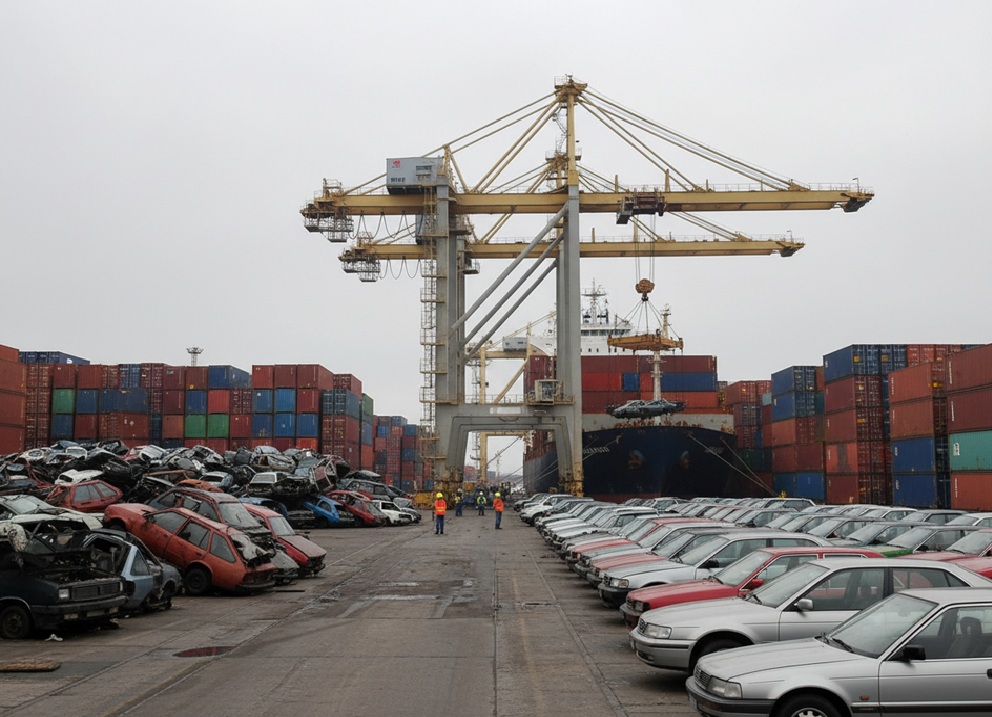
Exporting Scrap Cars: Opportunities and Concerns
19th Dec, 2025
The trade in used and end-of-life vehicles has become an integral part of the global automotive economy. As domestic recycling systems tighten regulations and materials become more valuable abroad, the practice of exporting scrap cars continues to grow. While it can be financially rewarding, it also raises serious environmental, legal, and ethical issues.
This detailed exploration examines both the opportunities and concerns surrounding exporting scrap cars, the economic drivers behind the trend, and the measures required to ensure that the global trade of scrap vehicles is carried out responsibly and sustainably.
The Economic Allure of Exporting Scrap Cars
The most immediate motivation behind exporting scrap cars lies in simple economics. In many cases, a vehicle that has little value domestically can command a higher price abroad. Market conditions, consumer demand, and repair costs vary dramatically between countries, creating opportunities for profitable trade.
Primary Reasons for Exporting Scrap Cars:
- Higher resale or parts value in international markets.
- Demand for specific models or vehicle types not readily available abroad.
- Opportunities for refurbishment and reuse, particularly in regions with strong second-hand markets.
A car classified as scrap in the UK may still have useful components, such as engines or body panels, that are highly sought after overseas. Vehicles exported for reuse or parts contribute to material recovery and resource efficiency, but only when handled safely and legally.
The growing global trade of scrap vehicles reflects these economic imbalances between nations, yet it also exposes weaknesses in how some countries manage the environmental consequences of imported waste.
Summary:
Exporting scrap cars can deliver higher profits than domestic scrapping due to global variations in demand, pricing, and repair costs.
Environmental and Ethical Concerns
While exporting may seem financially sound, the environmental and ethical implications are significant. Once a vehicle leaves the UK, its fate often becomes uncertain.
Environmental Risks
Improper dismantling and disposal practices abroad can lead to oil leaks, coolant spills, and hazardous waste contamination. Countries lacking strong environmental oversight may process imported scrap cars using unsafe methods such as open-air burning or unregulated dumping.
Main Environmental Concerns:
- Pollution from hazardous materials such as fuel, battery acid, and refrigerants.
- Improper dismantling that releases toxins into the air, soil, and water.
- Excessive landfill accumulation of non-recyclable waste.
This contrasts sharply with the UK’s strict requirements for Authorised Treatment Facilities (ATFs), which ensure safe depollution before recycling begins. Readers can learn more about these standards through the environmentally responsible car recycling process followed by Scrap Car Network.
Ethical Challenges
In addition to environmental risks, ethical concerns often arise when exported scrap cars end up in countries unable to recycle them safely. Exporters must ensure that shipments comply with environmental and customs regulations, and that vehicles are not misclassified to avoid oversight.
Key Ethical Issues:
- Illegal dumping disguised as vehicle exports.
- Transfer of environmental responsibility from developed to developing nations.
- Exploitation of lax regulations in destination countries.
Summary:
The exporting scrap cars concerns extend beyond economic advantage; without proper oversight, this practice can contribute to pollution, exploitation, and the global transfer of waste problems.
Legal and Regulatory Frameworks
The export of scrap vehicles is regulated under international and domestic laws designed to prevent environmental harm and illegal activity.
UK Legal Obligations
In the UK, the export of end-of-life vehicles is governed by Waste Shipment Regulations and the Environmental Protection Act 1990. These laws prohibit the export of vehicles deemed “waste” to non-OECD countries unless strict environmental conditions are met.
Exporter Responsibilities:
- Confirm whether the vehicle is classified as waste or reusable.
- Obtain the appropriate export documentation and permits.
- Ensure the importer is operating within a regulated recycling framework.
- Comply with HMRC and DVLA requirements for vehicle deregistration.
Scrap Car Network ensures compliance with all relevant UK recycling and data destruction laws. Those considering scrapping rather than exporting can get an instant quote to scrap any car to ensure the vehicle is processed through legitimate channels.
International Regulations
Globally, the Basel Convention on the Control of Transboundary Movements of Hazardous Wastes governs the international movement of waste materials, including vehicles that qualify as hazardous waste.
Key International Provisions:
- Waste exports must only occur between countries with adequate treatment infrastructure.
- Importers must consent in advance to receive waste materials.
- Exporters are liable if waste is illegally dumped or mishandled abroad.
Summary:
Compliance with export laws is essential to avoid contributing to illegal waste trafficking or environmental harm. Responsible exporters must confirm that vehicles and materials are handled according to both UK and international regulations.
The Fate of Scrap Cars Overseas
Once exported, the ultimate destination of scrap cars varies widely. Some are restored or reused, while others are dismantled for parts or raw materials. The process depends heavily on the importing country’s infrastructure and oversight.
Reuse and Refurbishment
In many emerging markets, imported vehicles are repaired and resold to provide affordable transport. The parts salvaged from these vehicles also play a crucial role in keeping older cars running where replacement parts are scarce.
This reuse supports local economies, extends product lifecycles, and reduces demand for newly manufactured vehicles.
Dismantling and Material Recovery
Where recycling systems exist, scrap cars may be depolluted, dismantled, and shredded for materials like steel, aluminium, and copper. These recovered resources can then be sold for manufacturing, contributing to sustainable resource management.
However, without proper regulation, these operations can become unsafe and environmentally damaging. Poorly managed facilities often discard plastics, glass, and non-metal materials without treatment, increasing landfill waste.
Informal Sector Risks
In some destinations, particularly in parts of Africa and Asia, the informal recycling sector dominates. Here, vehicles are stripped manually, often without protective equipment or pollution controls. The result is unsafe working conditions and significant environmental degradation.
Summary:
While exported scrap cars can contribute to resource recovery, their benefits depend entirely on how responsibly they are handled in the importing country.
Economic Benefits and Market Drivers
The export of used and scrap vehicles contributes billions to the global economy each year. For exporting countries, it represents a way to reclaim value from vehicles that might otherwise remain unused. For importing nations, it provides affordable access to vehicles and spare parts.
Economic Opportunities in the Global Trade of Scrap Vehicles:
- Increased material recovery through international recycling.
- Employment generation in collection, transport, and dismantling sectors.
- Expansion of secondary markets for used parts and raw materials.
- Reduced demand for new vehicle production, conserving resources.
Nevertheless, these benefits must be balanced against the potential for exploitation and environmental harm. The solution lies in developing transparent, accountable export systems supported by robust environmental policies.
For UK vehicle owners seeking sustainable alternatives, Scrap Car Network offers a fully compliant domestic recycling option with a clear focus on environmental responsibility and data protection.
Summary:
The global trade of scrap vehicles creates valuable economic opportunities but must operate under clear environmental and ethical oversight to remain sustainable.
Environmental Impact of Improper Exports
When scrap cars are exported to countries with weak environmental controls, the ecological cost can be severe. Many imported vehicles are dismantled outdoors, with no containment for oil or chemical spills.
Consequences of Improper Recycling:
- Soil and groundwater contamination from leaked automotive fluids.
- Air pollution caused by burning plastics and wiring insulation.
- Ecosystem damage due to heavy metal accumulation.
- Public health risks from exposure to toxic residues.
By comparison, regulated facilities in the UK follow strict environmental procedures. Learn how vehicles are safely depolluted through Scrap Car Network’s authorised recycling process before any material leaves the site.
Summary:
Environmental damage from unregulated exports undermines global sustainability goals and highlights the need for responsible recycling standards worldwide.
Future Trends and International Regulation
Governments and environmental agencies are increasingly addressing the exporting scrap cars concerns through stricter policy measures.
Expected Future Developments:
- Tighter export documentation and verification of vehicle classification.
- Greater enforcement against illegal waste shipments.
- Stricter destination country standards for recycling operations.
- Expansion of circular economy frameworks to keep recycling local.
The UK is already investing in improved traceability systems for exported vehicles, including digital tracking of end-of-life vehicles. These initiatives ensure accountability and align with international efforts to reduce cross-border waste movement.
Meanwhile, industry leaders are developing technology-driven recycling methods to reduce the environmental footprint of dismantling and improve the recovery of valuable materials.
Summary:
The future of global scrap car exports will likely involve more oversight, transparency, and environmental accountability as nations strive to manage waste responsibly.
Balancing Opportunity with Responsibility
The international trade in used and end-of-life vehicles will continue to grow as global demand for affordable transport and recycled materials increases. The key challenge lies in ensuring that economic opportunity does not outweigh environmental responsibility.
By maintaining strict export controls, verifying recipient facilities, and promoting domestic recycling, exporters can help mitigate global waste challenges. Businesses and individuals can also contribute by prioritising certified recycling over unregulated export practices.
Those in the UK can support responsible recycling through Scrap Car Network’s nationwide collection service, which guarantees compliance with environmental and data destruction laws. Motorists in specific areas can also explore regional recycling options such as Preston or Scotland for convenient and environmentally sound car disposal.
Summary:
Responsible export practices must align economic benefits with global sustainability goals. Ethical oversight ensures that value recovery does not come at the planet’s expense.
Conclusion
The global trade of scrap vehicles presents a complex mix of opportunity and risk. While exporting can yield economic rewards and support resource recovery, it also poses significant environmental and ethical challenges when poorly managed.
By strengthening international cooperation, enforcing export regulations, and investing in domestic recycling capacity, countries can reduce the risks associated with exporting scrap cars concerns and promote a sustainable circular economy.
For individuals and businesses, the simplest way to ensure responsible vehicle disposal is through trusted, regulated services. Scrap Car Network connects customers with licensed Authorised Treatment Facilities, ensuring that vehicles are recycled legally, safely, and sustainably.
Drivers ready to act can get an instant quote to scrap any car or contact the team directly for expert support in ensuring their old vehicles are handled responsibly, at home or abroad.
Key Takeaways:
- Exporting scrap cars can be profitable but carries environmental and ethical risks.
- The global trade of scrap vehicles demands stronger oversight and accountability.
- Stricter international laws will likely reshape the future of vehicle exports.
Responsible recycling remains the most sustainable solution for end-of-life vehicles.