Debunking the “Only Rusty Cars Get Scrapped” Belief
30th Oct, 2025
There’s a common belief that only worn-out, corroded vehicles end up in the scrapyard. For years, this idea has shaped how many people view car recycling. But as with most rusty car myths, the truth is far more complex.
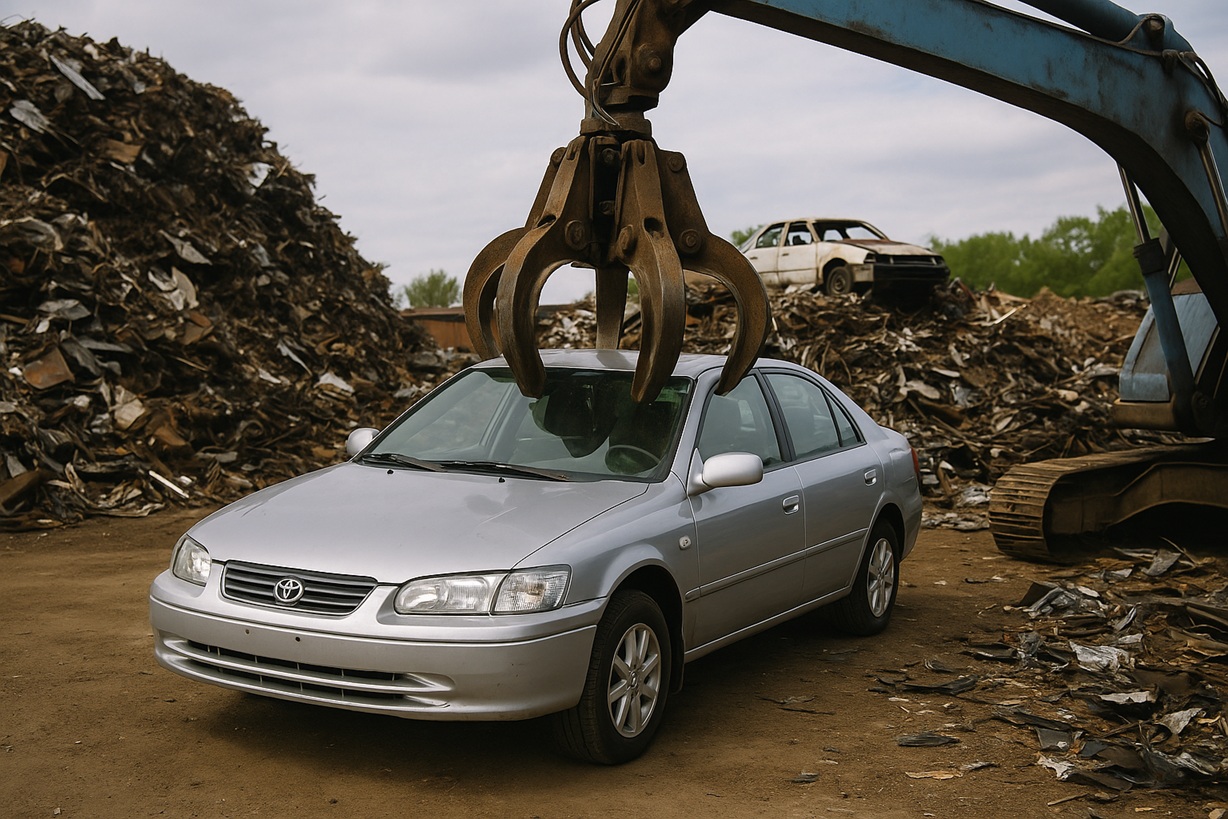
Modern car condition and scrapping practices in the UK consider a vehicle’s overall state, not just how it looks on the outside. A car might gleam in the sun and still be destined for recycling, while another covered in rust might still be roadworthy.
Where the “Rust Equals Scrap” Idea Began
In the past, scrapyards were basic operations that relied heavily on visual inspection. If a vehicle looked battered and corroded, it was deemed ready for the yard. Back then, technology was limited, and workers used physical clues like rust and body damage to estimate a car’s value.
Over time, this approach turned into the mistaken belief that visible decay was the main trigger for scrapping. In reality, even a shiny car can be uneconomical to keep on the road. The rise of modern recycling facilities has completely changed how these decisions are made.
Why Rust Isn’t the Deciding Factor Anymore
Rust might be visible, but it’s no longer the measure of a car’s end of life. Professional evaluators now look deeper, weighing economic, mechanical, and environmental considerations.
Here’s what really determines whether a car should be scrapped:
- Repair Costs: If fixing a vehicle costs more than it’s worth, scrapping makes financial sense.
- Safety Issues: A stable body doesn’t always mean the car’s safe. Ageing brakes, airbags, or frame integrity can all fail silently.
- Efficiency and Emissions: Older models often guzzle fuel and produce more pollution.
- Material Value: The car’s weight and recyclable metals influence its scrap worth far more than its surface condition.
The bottom line? Scrapping decisions rely on logic and practicality, not appearance.
The Modern Approach to Vehicle Evaluation
Modern recycling facilities, like those in the Scrap Car Network, use a comprehensive process that blends digital precision with environmental responsibility.
Step 1: Technical Assessment
Before a car is accepted for recycling, technicians analyse its full structure, not just its paintwork. Using scanning equipment and mechanical diagnostics, they check for hidden damage and internal wear.
Step 2: Material Testing
Every component – metal, plastic, and glass – is examined to determine recyclability. This helps ensure that even newer-looking cars are responsibly processed when their value lies in materials rather than use.
Step 3: Economic Viability
The decision often comes down to economics. If a car demands more money to maintain than it can return, recycling becomes the rational choice.
This structured process proves how far the industry has moved beyond rusty car myths.
Seeing Beyond the Surface
A smooth coat of paint doesn’t always tell the full story. Cars can hide mechanical fatigue, electronic faults, and safety problems beneath a perfect finish.
It’s a bit like judging a book by its cover – the outside might look fine, but what’s inside tells the real story. That’s why professionals assess car condition and scrapping through data and diagnostics rather than assumptions.
Why Even “Good-Looking” Cars Are Scrapped
Modern cars are more complex than ever. As technology evolves, older systems become costly to maintain or impossible to repair due to obsolete parts.
A car might start and run well but still fail on emissions, safety standards, or part availability. Scrapping isn’t about neglect – it’s about recognising when continuing to drive becomes wasteful or unsafe.
Owners often find that scrapping at the right time saves both money and stress.
The Benefits of a Broader Scrapping Perspective
When scrapping decisions look beyond surface rust, everyone benefits.
Financial Advantages
- Better Returns: Modern recycling rewards you for the total material value of your car.
- Reduced Maintenance Costs: Scrapping eliminates ongoing repair bills for an ageing vehicle.
Safety Improvements
- Fewer Risks: Removing cars with hidden wear reduces breakdowns and accidents.
- Upgrading Options: Replacing an old model with a newer one enhances safety and efficiency.
Environmental Gains
- Sustainable Recycling: Licensed Authorised Treatment Facilities (ATFs) recover up to 95% of materials.
- Lower Emissions: Recycling reduces the need for fresh metal production, cutting pollution.
Each of these factors helps dismantle rusty car myths and encourages responsible vehicle disposal.
How Professional Evaluations Work
Trusted providers like Scrap Car Network perform impartial assessments to determine when scrapping is the best option. Their system ensures every vehicle is valued fairly, based on measurable factors.
- Structural Checks: Inspecting the chassis and body integrity.
- Mechanical Testing: Assessing key systems like engine and brakes.
- Material Quality: Evaluating metal, plastic, and electronic recyclability.
- Market Analysis: Comparing the car’s potential resale or scrap value.
Once the evaluation is complete, owners receive a transparent cash offer with free scrap yard collection, ensuring no hidden costs or complications.
If you’d like to see how this process works, you can explore how it works or get in touch for tailored support.
Real Cases That Break the Myth
Case 1: The Modern Hatchback
Sophie from Manchester owned a small hatchback that looked flawless. However, repeated gearbox failures and outdated safety features made repairs uneconomical. After a professional assessment, she received a fair offer and opted to recycle the car responsibly.
Case 2: The Family Saloon
David from Bristol had a car that wasn’t rusty but had high emissions and poor fuel economy. Scrapping allowed him to replace it with a hybrid vehicle, lowering his carbon footprint and running costs.
These examples prove that car condition and scrapping decisions rely on full evaluations, not appearances.
Local and Specialist Recycling Options
Scrap Car Network’s national coverage ensures convenience wherever you are:
Owners of larger commercial vehicles can also use the Scrap My Van service for efficient, eco-friendly recycling.
A Smarter Way to Think About Scrapping
So, does a bit of rust automatically mean a car is ready for the scrapyard? Not at all. The decision to recycle is based on practical, measurable factors that extend far beyond appearance.
Modern recycling facilities prioritise performance, efficiency, and sustainability. Free collection, fair valuations, and expert assessments mean every driver can make an informed choice without falling for rusty car myths.
If your car is reaching the end of its lifespan, Scrap Car Network provides a quick, transparent solution that reflects the true value of your vehicle – inside and out.