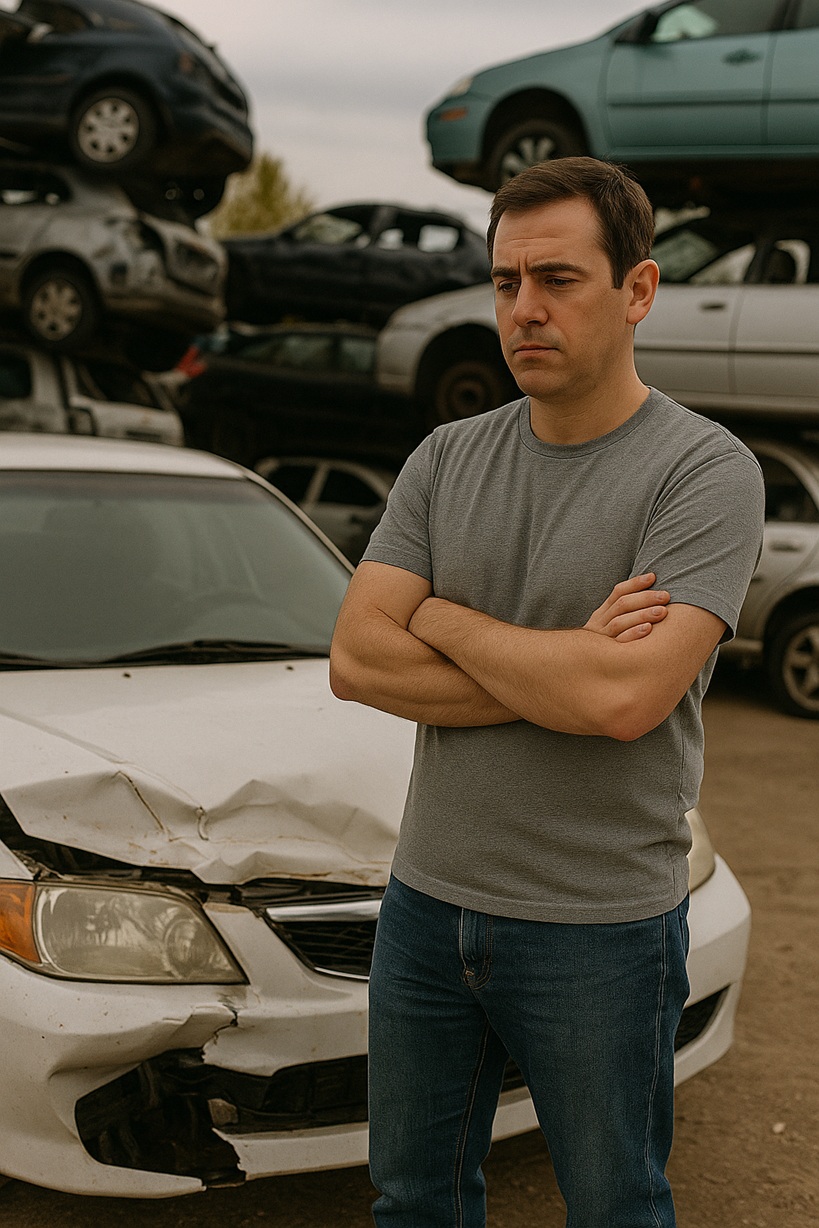
Is Scrapping a Car Always a Last Resort?
29th Oct, 2025
Many people still see scrapping a vehicle as something you do when all hope is lost – when the car finally refuses to start or the repair bill looks worse than the car’s value. In truth, it’s not always that simple.
Modern recycling has changed things. There are now several scrapping car options that make sense long before a car reaches its absolute limit. Sometimes, making that decision early saves money, time, and even helps the environment.
Understanding when to scrap a car is about recognising practicality rather than surrender.
How the Old Attitude Developed
Years ago, scrapping was seen as a last resort – a sign of defeat. People drove cars until they physically fell apart because keeping them seemed cheaper than parting with them. Back then, scrapyards lacked today’s environmental standards, giving the process a rough image.
Today, things are entirely different. Licensed recycling centres now operate under strict regulations, and services such as Scrap Car Network make the process quick, legal, and eco-friendly.
The end of a vehicle’s road is now an opportunity for renewal, not waste.
Different Scrapping Car Options
Not every car needs the same treatment. Depending on condition and value, there are a few realistic scrapping car options worth considering:
- Full recycling: For vehicles that are beyond repair. Every usable part is recovered through Authorised Treatment Facilities (ATFs).
- Part-based recovery: Certain components can be reused or sold before recycling the shell.
- Charity scrapping: Some owners donate their scrap value to a cause, turning a practical task into a good deed.
- Trade-in disposal: For older vehicles that still run but aren’t worth selling privately.
These routes give owners flexibility and control. The car can bow out gracefully without unnecessary cost or waste.
Knowing When to Scrap a Car
Recognising the right moment isn’t always straightforward. Sentiment often clouds judgment, but several clear signs help identify when to scrap a car:
- Repairs cost more than its value. When ongoing fixes outpace market worth, scrapping becomes logical.
- Repeated breakdowns. Persistent reliability problems are a strong indicator.
- Failing MOTs or emissions tests. Older cars struggle with modern standards.
- Rising running costs. Ageing engines use more fuel and parts wear faster.
- Prolonged inactivity. Cars left idle lose value, corrode, and become potential hazards.
Making the decision early usually results in better value and fewer headaches.
The Environmental Pay-Off
Scrapping isn’t about loss – it’s about reuse and responsibility. Proper recycling allows around 95% of a car’s materials to re-enter industry.
Under Scrap Car Network’s car recycling process, each vehicle is depolluted first to remove fuel, oil, and other fluids before recovery begins. This ensures safety, prevents contamination, and maximises what can be reused.
Responsible scrapping also prevents abandoned cars leaking pollutants into soil or waterways – an issue that costs councils millions to address every year.
Money Still on the Table
Another reason to explore scrapping car options sooner is the potential financial return. Vehicles contain valuable materials such as steel, aluminium, and copper.
With Scrap Car Network’s instant quote tool, owners can see what their car is worth before making a decision. Value depends on weight, metal prices, and location – but many are surprised by how much they can still earn.
For a deeper look at valuation factors, the scrap car prices guide explains how the market works in simple terms.
Why Scrapping Isn’t a Negative
It’s easy to think of scrapping as “throwing something away”, but that mindset is outdated. Cars don’t vanish – they’re repurposed.
Through Scrap Car Network’s licensed partners, every vehicle is dismantled safely, recyclable parts are recovered, and the owner receives a Certificate of Destruction as proof.
Handled properly, scrapping a car is a structured, traceable process that benefits both the environment and the owner.
The Legal Details That Matter
While scrapping has become easier, notifying the DVLA remains essential. The process ensures the vehicle record is closed correctly and prevents unwanted fines.
Follow the guide on telling the DVLA when you sell or scrap your car for the full steps. Completing Section 9 of the V5C logbook and obtaining a Certificate of Destruction guarantees everything is handled properly.
Failing to inform the DVLA can cause complications later, so it’s always worth doing right the first time.
When Scrapping Isn’t the Only Path
Scrapping isn’t always immediate. Sometimes, other options make sense before committing to full recycling:
- Minor repairs: If costs are manageable, repairing might be worthwhile.
- Part salvage: When only specific components fail, a garage may reuse the rest.
- Enthusiast projects: Some buyers seek older models for restoration or electric conversion.
These alternatives work in certain situations, but when repair costs outweigh benefits, responsible scrapping remains the most practical route.
Avoiding the Old Myths
Despite progress, outdated ideas still circulate. Some think they can leave a car off-road indefinitely, while others assume that handing it to any trader counts as scrapping.
Those assumptions are risky. Only an Authorised Treatment Facility can legally recycle a car. Anything else could lead to fines or environmental breaches.
For clarity, Top Misconceptions About Scrapping a Car explains these mistakes in more detail.
The Emotional Side of Letting Go
Parting with a car can be surprisingly emotional. Even practical owners feel nostalgic when it’s time to say goodbye.
That’s understandable. Cars mark life milestones – first jobs, family trips, or big changes. Seeing them go can feel bittersweet, but responsible recycling offers closure.
Those looking for a more positive outlook can read Coping with Car Loss: A Lighthearted Look at Letting Go for a warm, relatable perspective.
Why the Right Network Helps
Trying to manage the process alone can be stressful. Working with a trusted national network removes the uncertainty.
Scrap Car Network offers free nationwide collection – from Preston to Scotland and London – ensuring every car is processed through licensed ATFs.
It’s a simple, compliant, and environmentally responsible way to recycle your vehicle.
A Balanced View
Scrapping isn’t failure – it’s a natural part of a car’s life cycle. Modern recycling turns an old vehicle into something useful again, reducing waste and supporting new manufacturing.
With flexible scrapping car options available and clear signs for when to scrap a car, there’s no need to see the process as an ending.
Handled through Scrap Car Network, it becomes a smart, sustainable decision – and the start of something new.