Scrap My Car in Southampton: South Coast Scrap Options
10th Apr, 2026
Southampton’s position as Britain’s premier cruise port and major container terminal creates unique advantages when scrapping your car. The city’s maritime heritage doesn’t just mean lovely waterfront walks. It directly impacts what you’ll receive for your old motor.
Scrap Car Network connects you with Authorised Treatment Facilities across Southampton and the wider South Coast region. Understanding your local market means knowing that Hampshire’s scrap car industry benefits from proximity to European export markets and established shipping infrastructure.
Your scrap car’s journey might end up contributing to steel production overseas, and Southampton’s port facilities make that process efficient. This efficiency typically translates to competitive prices for local residents.
Southampton’s Scrap Car Market: Port City Advantages
Scrap metal prices in Southampton respond to the same global forces as anywhere else, but the city’s shipping infrastructure creates specific advantages. Current scrap values range from £120 to £350 for small cars, while larger vehicles can fetch £450 or more.
Several factors determine your car’s worth in Southampton. Vehicle weight sets the baseline because heavier motors contain more recyclable steel and aluminium that gets processed and exported through local facilities.
Catalytic converters remain valuable regardless of location, adding £50-£200 to your offer depending on the model. Working components increase valuations if they’re salvageable for resale. Current metal market prices affect daily rates, so timing matters.
Think of your old car like cargo at Southampton docks. The base weight determines shipping costs and basic value, but special cargo like electronics or premium goods commands higher prices. Your 2008 Vauxhall Astra might fetch £180 on weight alone, but add a good catalytic converter and undamaged alloy wheels, and that could reach £280.
I remember a customer years back who brought in a 2004 Honda Civic that had been parked near Southampton Water for months. She expected the salt air would’ve destroyed its value with rust on the sills and a corroded exhaust. But the engine block was solid, and the cat was intact. She walked away with £240 when she’d assumed she’d be lucky to get £100 for what she called her “seaside rust bucket.” Sometimes coastal parking affects the bodywork more than the valuable bits underneath.
How Southampton’s Maritime Industry Affects Pricing
Southampton handles millions of tonnes of cargo annually, including significant scrap metal exports. When global steel demand increases, local ATFs benefit from efficient shipping routes to European smelters and Asian manufacturing centres.
This proximity to export infrastructure means Southampton facilities often match or exceed London prices without the capital’s collection complications. Your scrap car could be on a container ship within days of collection, heading to European recyclers who pay premium rates for quality scrap metal.
Seasonal variations exist too. Summer typically brings better prices as construction projects accelerate globally. Winter can see slight dips, though Southampton’s year-round port operations help stabilise local rates more than inland locations.
Legal Requirements for Scrapping in Southampton
England follows standard DVLA regulations, and Southampton City Council adds local considerations for this major port city. You must use an Authorised Treatment Facility (ATF), and anything else risks substantial fines and environmental damage.
The paperwork breaks down simply enough. You’ll need your V5C logbook to send Section 9 to the DVLA. Your ATF provides a Certificate of Destruction, which is absolutely crucial for your protection.
Notify your insurance company immediately when you scrap. Keep all documentation for five years minimum because questions can arise years later about the vehicle’s disposal.
Missing any step creates complications. One Southampton resident discovered this when DVLA continued charging road tax eight months after scrapping because the ATF hadn’t properly processed the notification. Always demand written confirmation, and don’t assume anything’s been handled unless you’ve seen proof.
The Importance of Authorised Treatment Facilities
Your Certificate of Destruction proves your vehicle was legally scrapped at an authorised facility. It’s your protection against future liability if someone dumps your old car illegally or uses your registration plates fraudulently.
Some dodgy operators claim they’ll “sort the paperwork” but never provide this crucial document. That’s your warning to walk away immediately, regardless of their cash offer sounding tempting.
The certificate includes your vehicle’s registration, VIN number, and the ATF’s Environment Agency licence details. Store it with other important documents because you might need it years later if questions arise about the vehicle’s disposal.
Finding Authorised Treatment Facilities in Southampton
Southampton hosts several legitimate ATFs, from established operations in Millbrook’s industrial estates to larger facilities near the M27 corridor. Location affects convenience but shouldn’t compromise legality. Always verify their Environment Agency licence number before handing over your vehicle.
Our network of Authorised Treatment Facilities ensures compliance while maximising your return. Each facility undergoes regular audits and maintains proper environmental standards required for operating near coastal waters.
Key areas with established ATFs include Millbrook near the docks and industrial estates, Nursling along the M27 corridor north of Southampton, Totton on the western edge with good motorway access, and Eastleigh just northeast of the city centre.
Don’t just pick the closest facility. Compare quotes from multiple ATFs because prices can vary by £50-100 for the same vehicle, and you deserve the best legitimate offer available.
Southampton’s ATF Locations and Accessibility
Industrial estates along the M27 corridor host several major facilities. These locations offer specific advantages: easy motorway access, proximity to container terminals for metal export, and established relationships with European recyclers.
Red flags include operations without fixed addresses, facilities operating from residential areas, or operators who insist on cash-only transactions. Legitimate businesses maintain proper premises with visible licensing displayed prominently.
Visit beforehand if possible. Proper ATFs maintain organised yards with designated areas for fluid drainage, parts storage, and vehicle processing. They’ll show you their Environment Agency licence without hesitation or excuses.
The Collection Process in Southampton
Southampton’s geography creates specific collection considerations. The city’s port-focused layout means industrial areas concentrate in certain zones, while residential streets can be narrow and congested.
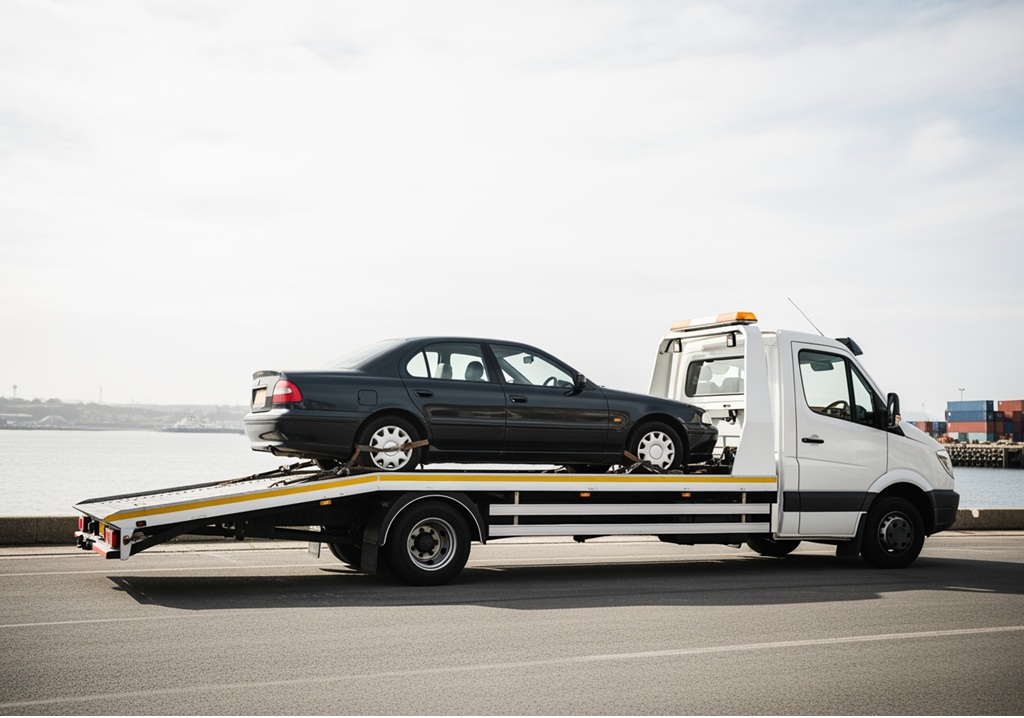
Professional collectors know these routes. They arrive with proper equipment like recovery trucks or transporters, not just tow ropes and optimism.
The process follows a clear pattern. Day one, you call for a quote by providing registration and basic vehicle details. Day two, collection gets arranged at your convenience. Usually within 24-48 hours, the vehicle gets loaded, paperwork gets completed, and payment processes.
Weather rarely stops collections in Southampton compared to northern locations, but heavy rain or strong coastal winds can delay timing. Collectors work around conditions to prevent accidents, particularly when loading vehicles on wet surfaces or during gusty conditions.
Learn about our free nationwide scrap car collection service, which covers all Southampton postcodes from SO14 to SO32 without hidden charges or last-minute deductions.
What to Expect on Collection Day
Have your V5C logbook ready, or at least know its location if you’re using alternative documentation. You’ll need photo identification to prove you’re the registered keeper. If someone else is scrapping the car on your behalf, provide written authorisation with their details.
Clear access helps enormously. Southampton’s terraced housing and marina parking can create challenges, but experienced collectors handle these situations daily. Just warn them beforehand about any access difficulties, tight spaces, or parking restrictions that might complicate collection.
Payment usually processes on collection day or within 24 hours. Bank transfers have replaced cash for most legitimate operators, providing better audit trails and security for both parties.
Environmental Considerations Specific to Southampton
Southampton’s coastal location means heightened environmental protection requirements. Your old car’s fluids and materials could potentially impact Southampton Water and the Solent if not handled properly by unscrupulous operators.
The city’s ATFs must meet strict Environment Agency standards. This includes comprehensive fluid drainage before processing, covering oil, coolant, brake fluid, and power steering fluid. Battery removal and separate recycling are mandatory requirements.
Tyre disposal must follow approved routes. Facilities must achieve a 95% recycling rate for vehicle materials, and those that don’t meet this face serious consequences and potential licence revocation.
Illegal operators dumping cars near Southampton Common or fly-tipping in New Forest locations face serious consequences. One unlicensed scrapper received a £20,000 fine last year after dumping drained fluids that reached a watercourse feeding Southampton Water. That’s not just illegal; it’s dangerous to the entire coastal ecosystem.
Protecting Southampton’s Marine Environment
ATFs operating near coastal areas face enhanced scrutiny from the Environment Agency. Facilities within proximity to watercourses require additional containment measures for fluids and waste materials to prevent contamination.
This benefits you because properly licensed facilities invest in modern equipment that extracts maximum value from vehicles. Better extraction technology often translates to higher offers for your car because they recover more materials efficiently.
The environmental recycling process follows strict protocols. Hazardous fluids get collected in sealed containers and transported to specialist processors. Nothing gets discharged into drainage systems that could reach Southampton Water or surrounding marine environments.
Batteries go to dedicated recycling centres where lead and acid get separated safely for reprocessing. Tyres become rubber crumb for playground surfaces or road asphalt. Even upholstery gets recycled into insulation materials rather than ending up in landfills.
Common Pitfalls When Scrapping Cars in Southampton
Southampton residents encounter specific problems when scrapping vehicles. The biggest mistake? Accepting cash offers from random operators who promise quick money but deliver complications and legal headaches.
These cowboys typically offer £50-100 below legitimate market rates. They fail to provide proper documentation, which leaves you liable for future fines and penalties. They dump vehicles illegally in New Forest or along coastal areas, creating environmental damage and legal problems.
Real example from Southampton shows the risks clearly. A Woolston resident accepted £180 cash for their Ford Focus from an operator who knocked on their door promising immediate payment. Four months later, parking fines started arriving because the car was abandoned in Portsmouth. The owner remained legally responsible without a Certificate of Destruction to prove they’d disposed of it properly.
That £180 quick payment cost them over £600 in parking fines and legal fees. Don’t let this happen to you.
Recognising Legitimate vs Illegitimate Operators
Legitimate businesses don’t need to knock on doors randomly offering immediate cash. They have established operations, proper advertising, and verifiable credentials you can check independently.
These dodgy operators often lack proper insurance and licensing. If they damage your property during collection, you’ve got no recourse. If they cause accidents transporting your vehicle, liability questions could reach back to you as the last registered keeper.
Always get quotes from established facilities with verifiable addresses, visible Environment Agency licensing, and proper business credentials. The extra day’s wait is worth the legal protection and proper documentation you’ll receive.
Getting the Best Price for Your Scrap Car
Maximising value requires minimal effort but strategic thinking. Timing matters because Southampton’s export-focused market responds to international steel demand patterns that change throughout the year.
Simple steps boost your offer without much work. Remove personal items but leave valuable components intact. Drain fuel if it’s easily accessible because that’s worth £20-40 you can use elsewhere or sell separately.
Keep your service history because it verifies your catalytic converter’s authenticity. Some dodgy buyers claim cats are fake or worthless to reduce their offer. Documentation prevents this common scam.
Compare multiple quotes from legitimate sources. Don’t just accept the first offer you receive, especially if it seems suspiciously low compared to market rates.
Get details on current scrap car prices across the UK to understand what fair value looks like for your specific vehicle type and condition in the current market.
Preparing Your Vehicle for Maximum Value
Don’t strip valuable parts yourself unless you’re confident about what you’re doing. Removing catalytic converters improperly damages surrounding components and actually reduces offers. ATFs have proper tools and would rather handle extraction themselves to avoid damage.
Clean out personal belongings thoroughly. Check the boot, glove box, door pockets, under seats, and anywhere else things accumulate over years of ownership. Once your car reaches the facility, retrieving forgotten items becomes nearly impossible.
Cancel direct debits for insurance and road tax before collection. Don’t wait for reminders because you’ll pay for coverage you no longer need on a vehicle that’s been scrapped.
The Journey After Collection
Once collected, your vehicle travels to the ATF for systematic dismantling. Southampton’s facilities operate efficiently due to established export relationships with European recyclers who provide consistent markets for processed materials.
The process resembles an assembly line in reverse. Stage one removes hazardous materials including fluids, batteries, and airbags to protect workers and environment. Stage two extracts valuable parts like catalytic converters, alloys, and working electronics that command good resale prices.
Stage three separates metals by type – steel, aluminium, copper – for different recycling streams. Stage four crushes and shreds remaining materials for final recycling into raw materials for manufacturing.
This systematic approach explains price differences between vehicles. A rust-damaged vehicle offers mainly scrap metal value, while a newer car with salvageable parts commands premium prices because the ATF can sell those components separately.
Understanding Vehicle Depollution
Depollution removes all hazardous materials before processing begins. Trained technicians drain fluids using specialised equipment that captures and stores them safely for proper disposal or recycling.
Air conditioning systems get degassed properly because refrigerants damage the ozone layer if released. Modern standards require complete capture of these gases using specialist recovery equipment.
Airbags and seatbelt pretensioners require careful handling. They contain explosive charges that could injure workers if triggered accidentally during processing. Proper facilities have dedicated areas for safely deploying these systems before vehicle dismantling begins.
Batteries come out early in the process. Modern batteries contain valuable lead and sulphuric acid that recyclers pay for separately. Electric vehicle batteries require completely different handling due to their size, voltage, and fire risk.
Parts Recovery and Metal Recycling
After depollution, valuable components get removed for resale to repair shops and parts dealers. Catalytic converters contain platinum, palladium, and rhodium – precious metals worth more than gold per ounce. Experienced technicians identify high-value cats instantly and handle them carefully.
Alloy wheels find ready buyers, especially from premium brands like BMW, Mercedes, or Audi. Body panels in good condition go to repair shops for accident repairs. Working electronics like sat-nav systems and control modules get tested and resold to specialists.
The remaining metal gets separated by type. Steel forms the bulk of most vehicles and gets crushed for export through Southampton’s container terminals. Aluminium components get separated for higher-value recycling. Copper from wiring goes to specialist processors who extract pure metal.
Special Considerations for Different Vehicle Types
Southampton’s diverse vehicle population includes everything from family hatchbacks to commercial vans serving the port’s logistics industry. Different vehicle types require different approaches and offer different value propositions.
Commercial vehicles often yield better returns due to size and robust components designed for hard use. Vans particularly benefit from Southampton’s logistics industry demand for spare parts.
Electric and hybrid vehicles require specialist handling. Only certain Southampton ATFs possess proper equipment and training for high-voltage battery systems that pose serious safety risks. Never attempt DIY disposal because battery packs can cause fires or electric shocks.
Classic cars present emotional challenges. That cherished MG or Triumph might hold memories, but sentiment doesn’t prevent MOT failure or mounting repair costs that exceed the car’s actual value.
Commercial Vehicles and Vans
Transit vans, lorries, and flatbed trucks contain more steel than family cars. This weight advantage means better baseline offers from ATFs who pay by the tonne for processed metal.
Commercial diesel engines often contain more valuable components than petrol equivalents. Turbochargers, fuel injection systems, and robust gearboxes all hold resale value in the commercial vehicle parts market.
The downside? Collection costs more because heavier vehicles require different equipment and stronger recovery trucks. Some facilities charge for commercial vehicle collection, while others absorb the cost into their offer. Always clarify this upfront to avoid surprises.
Business owners scrapping company vehicles face different tax implications. Keep detailed records for your accountant because disposal might affect capital allowances or vehicle depreciation calculations.
Coastal Impact on Vehicle Condition
Southampton’s marine environment accelerates corrosion for vehicles parked near the coast regularly. Salt air attacks exposed metal, particularly on older cars without modern rust protection treatments or galvanised bodywork.
This affects scrap value. Extensive rust damage reduces the weight of usable metal and can compromise structural components that would otherwise have resale value. However, protected mechanical parts often remain valuable even when bodywork deteriorates significantly.
Tell the ATF if your vehicle spent years near the coast or was regularly parked near Southampton Water. They’ll adjust valuation expectations accordingly based on likely corrosion levels, but you’ll still receive fair market value based on actual recyclable content.
Documentation and Tax Implications
HMRC and DVLA don’t synchronise automatically, which catches people out regularly. You remain responsible for notifying both organisations when scrapping your vehicle, even though common sense suggests they should communicate.
Essential notifications include the DVLA via V5C Section 9 or online notification through their website. Contact your insurance company for immediate cancellation and potential refunds on unused coverage periods.
Notify finance companies if outstanding payments exist on the vehicle. Notify Southampton City Council about resident parking permits that need cancellation.
Our guide on how to tell the DVLA when you sell or scrap your car explains the notification process comprehensively with step-by-step instructions.
DVLA Notification Process
Completing V5C Section 9 properly prevents future complications and ongoing tax charges. Fill in all required fields accurately with clear handwriting. Post it to the DVLA address shown on the form. Keep a copy or photograph for your records.
Online notification through the DVLA website offers faster processing times. You’ll need your V5C reference number and vehicle registration. The system confirms receipt immediately, giving you proof of notification.
Expect DVLA processing to take 4-6 weeks typically. You should receive confirmation that your vehicle’s been removed from their records. If you don’t receive confirmation within two months, contact them directly to check status.
Insurance and Finance Considerations
Don’t assume insurance cancels automatically when you scrap the vehicle. Contact your insurer explicitly to cancel coverage and request pro-rata refunds for unused time on your policy.
Most insurers charge cancellation fees. Check your policy documents beforehand to understand costs and any penalties for early termination. Annual policies usually offer better refund terms than monthly direct debits.
Outstanding finance complicates scrapping significantly. Finance companies technically own the vehicle until you clear the debt completely. Contact them before arranging collection to discuss settlement options or get approval for scrapping.
Regional Price Variations Within Southampton
Geography affects pricing even within Southampton itself. Facilities near the M27 corridor typically offer slightly better prices due to lower transport costs to export terminals at the docks.
Postcodes matter more than most people realise. SO14-SO15 in the city centre mean more difficult collection scenarios but reasonable prices. SO16-SO18 on Southampton’s western edge offer good value with easier access for collection vehicles.
SO19 covering Woolston and eastern areas provides convenient facilities with competitive pricing. SO40-SO45 covering Totton and New Forest edge mean variable pricing depending on exact location.
Transport Costs and Facility Location
ATFs near major roads and container terminals save money on transport to export facilities. These savings often translate to higher scrap prices for customers because the facility’s costs are lower overall.
Don’t chase an extra £20 if it means using an inconveniently located ATF with questionable credentials or poor reviews. The difference between £180 and £200 isn’t worth risking improper documentation or future legal complications.
Compare legitimate facilities properly. Better equipment, direct shipping contracts with European recyclers, or lower overheads create genuine price differences worth understanding before making your decision.
Best Times to Scrap in Southampton
Monday mornings often bring better prices as ATFs need inventory after quiet weekends when fewer collections happen. Friday afternoons can see lower offers as yards fill up before the weekend shutdown.
Month-end timing affects quotes. Facilities working towards monthly targets might stretch offers to secure one more vehicle and hit their numbers. This isn’t guaranteed, but strategic timing can help.
Avoid scrapping during major holiday periods if possible. Facility closures reduce competition and typically lower prices by 10-15% due to reduced demand and processing capacity.
Southampton’s Scrap Metal Export Market
Southampton’s port facilities handle significant scrap metal exports to European smelters and Asian steel mills throughout the year. This established infrastructure creates pricing advantages for local residents scrapping vehicles.
When global steel demand increases, Southampton ATFs benefit from efficient shipping routes. Your processed scrap metal could reach European recyclers within days or Asian manufacturers within weeks, creating strong demand.
This export focus means Southampton prices often track international markets more closely than inland locations. Global construction booms translate to better local offers faster than areas without direct port access.
Conclusion
Scrapping your car in Southampton doesn’t require specialist knowledge or legal expertise. Just common sense and proper channels. The city’s port infrastructure and established ATF network create a straightforward process that benefits your wallet and protects the marine environment.
Remember the essentials: use only authorised facilities, keep all documentation safely, and compare quotes from legitimate sources. Your old car might not make you wealthy, but proper disposal ensures you avoid fines while contributing to Southampton’s environmental commitments.
Whether you’re clearing that tired Fiesta from your Shirley driveway or finally retiring your faithful Mondeo in Millbrook, Southampton’s scrap car industry stands ready to help. Contact us for specific advice about your vehicle and circumstances.
Thousands of Southampton residents successfully scrap vehicles every year through legitimate channels. Your car’s final journey can be profitable, legal, and environmentally responsible. Just ensure you choose the right route with proper ATF credentials.