Scrapping an Electric Vehicle in the UK: What EV Owners Need to Know Before Booking
8th Apr, 2026
Electric vehicles are becoming a familiar sight on UK roads, but the infrastructure for dealing with them at end of life is still catching up with recent sales growth. When the time comes to scrap an electric vehicle UK, owners face a different set of considerations from those that apply to a petrol or diesel car.
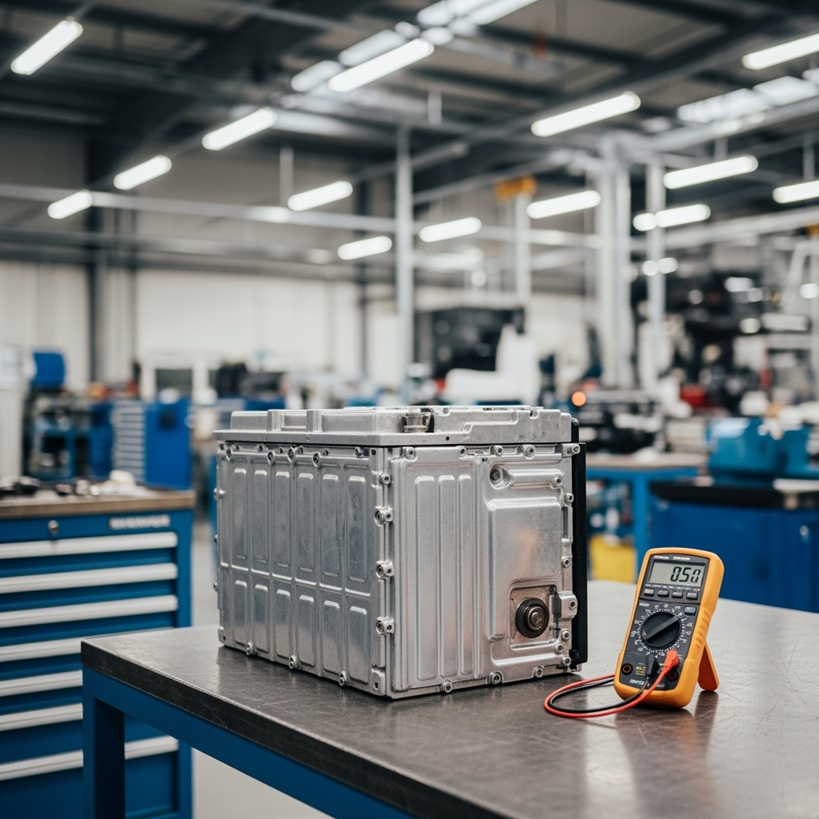
The high-voltage battery pack at the heart of every EV is simultaneously the vehicle’s most valuable component and the one that requires the most careful handling at end of life. Understanding EV battery disposal UK requirements, realistic electric car scrap value UK expectations, and the specific processes that apply to hybrid vehicle scrapping UK makes a significant difference to how smoothly the whole process goes.
Why EVs Are Different to Scrap
Scrapping an electric vehicle UK isn’t simply a matter of booking the nearest ATF and waiting for the collection van. The presence of a high-voltage lithium-ion battery pack changes the process in several important ways.
High-Voltage Systems and Safety Requirements
A standard petrol or diesel vehicle operates at 12 volts. An electric vehicle’s main battery pack operates at several hundred volts. Handling this system safely requires trained operatives, specialist equipment, and specific procedures that not every ATF currently has in place.
Think of it like the difference between a standard plumber and a Gas Safe registered engineer. Both work with pipes and fittings, but the specialist qualification exists because the stakes of getting it wrong are considerably higher. The same logic applies to EV handling at an ATF, where the wrong approach to a high-voltage system creates genuine safety risks.
Regulatory Requirements for EV Disposal
The End of Life Vehicles Regulations that govern all vehicle scrapping in the UK apply to EVs as well as conventional vehicles. However, the high-voltage battery system creates additional obligations under hazardous waste regulations that require specialist handling and documentation beyond standard depollution procedures.
Scrap Car Network works exclusively with ATFs that have demonstrated capability for safe EV processing, including the trained operatives and equipment needed for high-voltage battery disconnection and storage.
EV Battery Disposal UK: The Critical First Step
The battery pack must be safely isolated and removed before any other processing can take place. EV battery disposal UK requirements are the part of the process that most clearly differentiates EV scrapping from conventional vehicle processing.
What EV Battery Disposal UK Involves
EV battery disposal UK begins with safe high-voltage system isolation by a trained operative. This involves discharging the battery to a safe level, disconnecting the system, and removing the pack for separate storage and processing. The battery cannot simply be left in the vehicle and crushed along with the bodywork.
EV battery disposal UK regulations require the battery to be treated as hazardous waste. It must be processed by a facility with appropriate permits for hazardous battery materials. The chemicals inside lithium-ion cells, including lithium, cobalt, and nickel compounds, require specific containment and processing procedures to prevent environmental contamination.
Questions to Ask Before Booking
Before committing to any facility for an electric vehicle scrap, ask:
- Do operatives hold high-voltage vehicle qualifications? (IMI Level 3 or equivalent)
- Does the facility hold permits for hazardous battery waste handling?
- Will the battery be processed by an approved lithium battery recycling UK partner?
- Will a Certificate of Destruction be issued in the usual way?
Any reputable ATF with genuine EV capability will answer these questions clearly and immediately. If answers are vague or deflected, that’s a reliable signal to look elsewhere. Owners arranging scrap electric vehicle collections in London should run through this checklist before confirming any booking.
What’s Your Electric Car Actually Worth as Scrap?
Electric car scrap value UK is a more complex calculation than for conventional vehicles, and the market for end-of-life EVs is still developing. Understanding what drives the value helps owners assess offers accurately. This applies equally to owners arranging vehicle scrapping in Scotland and anywhere else across the UK.
Electric Car Scrap Value UK: What’s Different
Electric car scrap value UK is affected by several factors that don’t apply to conventional vehicles. The battery pack’s state of health is the most significant. A battery with substantial remaining capacity may have a second-life value as an energy storage unit, which some facilities can access and pass on in the form of a higher offer. A degraded battery with very little remaining capacity has only its raw material value.
Electric car scrap value UK for the vehicle body is calculated on the same weight and metal composition basis as any conventional car. The difference is that the battery weight typically follows a separate processing route rather than being included in the standard scrap calculation.
Factors That Affect the Overall Return
- Battery state of health: Higher remaining capacity can increase the offer meaningfully
- Vehicle age and model: Some EV models have better established second-life battery markets
- Bodywork weight and metal composition: Calculated identically to any conventional scrap vehicle
- Catalytic converter: Not present on pure EVs, but a relevant factor for hybrid vehicle scrapping UK
Getting multiple quotes from EV-capable ATFs before committing is especially important given the variability in how facilities currently assess electric car scrap value UK.
Hybrid Vehicle Scrapping UK: What’s Different
Hybrid vehicle scrapping UK sits between conventional and pure EV scrapping in terms of complexity. The process involves both a conventional combustion engine and a hybrid battery system, and both must be handled correctly. Owners arranging scrap car collection in North London with hybrid vehicles should confirm ATF capability for both elements before booking.
Mild, Full, and Plug-In Hybrid Variants
Hybrid vehicle scrapping UK requirements vary depending on the type of hybrid system involved. Mild hybrids use a 48-volt system that requires less specialist handling than a full or plug-in hybrid. Full hybrid systems operate at higher voltages and require the same high-voltage isolation procedures as a pure EV for the battery component. Plug-in hybrids typically carry larger battery packs and must be treated with the same care as a full EV throughout the hybrid vehicle scrapping UK process.
Knowing which type of hybrid the vehicle is before contacting ATFs helps ensure the right questions are asked and the right capability is confirmed before any commitment is made.
Catalytic Converter Value in Hybrid Vehicles
Unlike pure EVs, most hybrid vehicles retain a catalytic converter on their combustion engine. This is an important value component that should be disclosed when requesting quotes. In full hybrid and plug-in hybrid models, the catalytic converter value can be a meaningful part of the total electric car scrap value UK calculation and should never be overlooked.
Lithium Battery Recycling UK: Where Your EV Battery Goes
The EV battery doesn’t simply get crushed and melted down with the rest of the vehicle. It follows a separate, regulated pathway. Lithium battery recycling UK is a developing industry, and understanding where the battery goes helps owners confirm that an ATF’s disposal process is genuinely responsible. Owners in South West London and across the country benefit from the same regulated framework for battery end-of-life management.
Second-Life Applications for EV Batteries
Not every battery removed from a scrapped EV goes directly to recycling. Batteries with sufficient remaining capacity are increasingly directed toward second-life energy storage applications, including static storage systems for solar energy, backup power units for commercial premises, and grid-balancing applications. A battery that is no longer fit for powering a vehicle may still have years of useful life in a less demanding static application.
Lithium battery recycling UK facilities that accept batteries past their second-life stage apply hydrometallurgical or pyrometallurgical processes to recover lithium, cobalt, nickel, and manganese from the cell chemistry. These recovered materials re-enter battery manufacturing supply chains, which is essential for reducing reliance on primary mining for future EV production.
What Good Lithium Battery Recycling Practice Looks Like
A responsible lithium battery recycling UK pathway from a scrapped vehicle involves documented transfer to a permitted battery processor, a chain of custody record from the ATF to the recycler, and recovered material that re-enters certified manufacturing supply chains.
Ask the ATF which specific recycling partner handles the batteries from their facility. A facility that can’t answer this question clearly isn’t managing the lithium battery recycling UK process to the standard required under current hazardous waste regulations.
Finding the Right ATF to Scrap Your EV
Choosing a facility genuinely capable of handling the scrap electric vehicle UK process correctly is the most important decision an EV owner makes. Owners in Newcastle and across the UK should take the time to verify capability before committing to any booking.
What to Look For in an EV-Capable ATF
An ATF genuinely capable of handling electric vehicles will have high-voltage qualified operatives, permits for hazardous battery waste, documented relationships with lithium battery recycling UK processors, and clear procedures for all stages of EV depollution. These aren’t optional extras; they’re the minimum standard for processing an EV correctly.
A Nissan Leaf owner who booked collection with a general ATF without first checking EV capability arrived to find the facility wasn’t equipped for high-voltage battery isolation and had to rearrange the entire collection. The delay cost several days and required a second round of paperwork. Confirming capability upfront would have taken five minutes and prevented the entire situation.
Confirming the Certificate of Destruction
The Certificate of Destruction process for a scrapped EV works the same way as for a conventional vehicle. The ATF is legally required to issue it within seven days of the vehicle arriving at the facility, at no charge to the registered keeper. This document formally removes the keeper’s legal responsibility for the vehicle, regardless of whether it’s a conventional car, a hybrid, or a pure electric vehicle.
Conclusion
The decision to scrap an electric vehicle UK requires more preparation than a conventional car scrap, but the process is entirely manageable with the right ATF in place. EV battery disposal UK requirements, electric car scrap value UK calculations, hybrid vehicle scrapping UK specifics, and responsible lithium battery recycling UK practice all feed into an outcome that protects both the owner and the environment.
For guidance on finding an ATF with verified EV handling capability near you, contact us and we’ll point you in the right direction.