A Complete Guide to Claiming Your Road Tax Back After Scrapping a Car
23rd Mar, 2026
When a rusty old vehicle finally leaves your driveway, you want to tie up the loose ends quickly. Securing a road tax refund scrap car payout is usually the next major priority. Many drivers assume the government magically knows the vehicle is gone. This is a very dangerous assumption that often leads to lost money and heavy fines.
You must actively tell the government databases exactly what has happened to your old motor. If you skip the proper administrative steps, the central computers will simply assume you still own the car. They will continue to demand payment and issue automated penalties when those payments stop.
Securing your refund is actually very straightforward. It just requires a clear understanding of the rules. Let us look closely at the exact sequence of events you must follow. This guide will help you claim your money back efficiently and legally.
The Biggest Mistake with Direct Debits
The most common financial mistake happens weeks before the collection truck even arrives. Many drivers pay their vehicle tax via a monthly direct debit. When they decide to scrap their car, they immediately log into their banking app and cancel the monthly mandate. You must never do this.
The national vehicle database operates under a strict rule called continuous liability. This means the person named on the logbook is legally responsible for taxing the car at all times. Simply cancelling your payment does not end your formal registered keeper status.
When you cancel a direct debit without providing an official reason, the government computer registers a missed payment. It immediately flags your account. Within a few weeks, you will receive an automated warning letter demanding the missing funds alongside a hefty fine.
Understanding Your Legal Liability
You remain tied to the vehicle until the government receives an official notification of disposal. You must follow the proper notification process first. Once the government processes your notification, their computers will automatically cancel your direct debit for you.
If you ignore the automated warning letters, the situation escalates quickly. The government regularly passes unpaid vehicle tax debts to private collection agencies. Having a debt collection agency pursue you can severely damage your personal credit rating. Following the correct sequence protects your financial reputation entirely.
The Driveway Handover Process
The proper sequence begins the moment the recovery driver arrives at your property. To start the refund process, you need your official V5C registration booklet. Most people simply refer to this as the vehicle logbook.
The driver will help you locate a specific section of this document. You need to find the yellow slip titled ‘Selling or transferring your vehicle to the motor trade, insurer or dismantler’. You and the driver must fill out this specific slip together on the driveway.
You must write down the exact name and address of the recycling business taking the car. The driver must sign the document, and you must sign it as well. Crucially, you must tear this yellow slip out and keep it for yourself. Never hand the entire, intact booklet to the driver.
Protecting Your Legal Position
Once the yellow slip is completely filled out, take a clear photograph of it with your smartphone. Mail occasionally gets lost in the postal system. Having a digital photograph proves you collected the correct details on the day of the collection.
This little piece of yellow paper is your initial defence. It proves you handed the vehicle over to a professional business. However, holding onto the slip does not trigger your refund. You must actively send this information to the government.
Fast-Tracking Your Money Online
You have two choices for sending this information. You can put the yellow slip in an envelope and post it to Swansea. This traditional method works, but it is incredibly slow. Postal sorting and manual data entry can easily take three or four weeks.
The absolute best way to secure your DVLA vehicle tax rebate is by using the official government digital portal. This online system is incredibly efficient and completely free to use. You simply navigate to the vehicle disposal section of the government website.
You will need the long, eleven-digit reference number printed on the front of your logbook. You type this number into the system alongside the business details you collected on the driveway.
Why the Postal Route is Slower
When you click submit on the digital portal, the national database updates instantly. The system immediately generates an electronic receipt and sends it straight to your email inbox. This receipt is absolute proof that you have notified the authorities correctly.
Using the Scrap Car Network means dealing with professional buyers who help guide you through these digital details. The moment the digital portal updates, the system automatically calculates your DVLA vehicle tax rebate. There are no extra financial claim forms to fill out. The automated process handles everything behind the scenes.
The Mathematics of Your Refund
Many drivers want to know exactly how much money they will get back. The government uses a very strict mathematical formula to calculate your return. They only issue refunds for full, untouched calendar months.
Think of your vehicle tax like paying rent for a secure parking space by the calendar month. If you decide to vacate the space on the fifth day of the month, the landlord will not refund you for the remaining three weeks. You paid for the whole month, and that money is gone. The government tax system operates using that exact same logic.
For example, if you scrap your car in the middle of October, your refund will only cover November onwards. The government does not issue pro-rata refunds for partial weeks or individual days.
Waiting for the Physical Cheque
Because of this strict calendar rule, the timing of your collection matters. The advantages of choosing our service include flexible collection dates, allowing you to maximise your financial return by booking near the very end of the month.
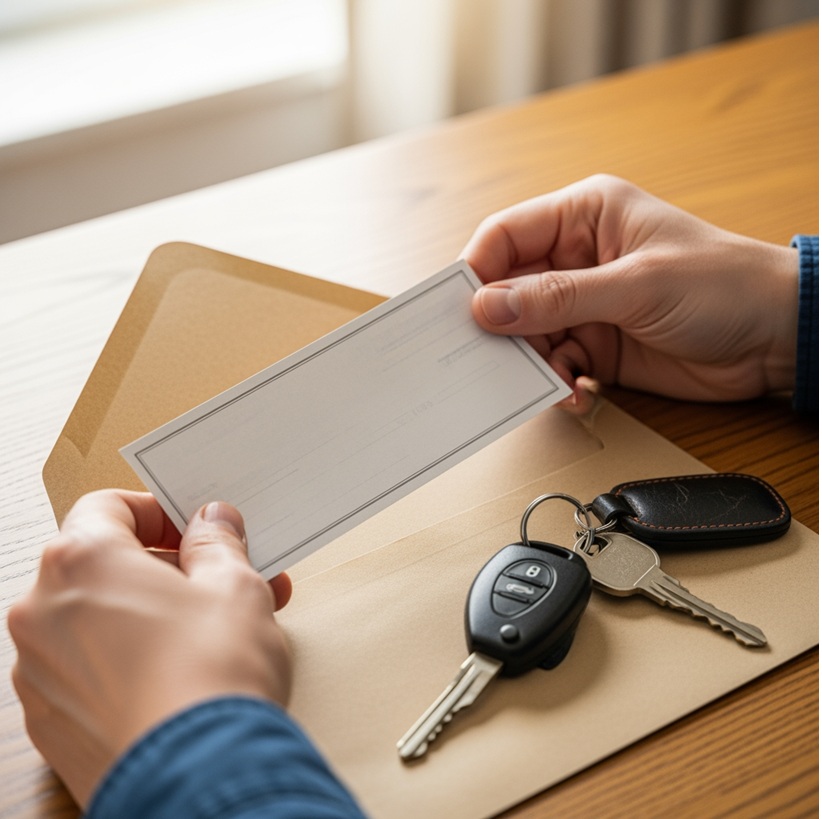
The government does not transfer the refund directly into your bank account. Instead, the automated system prints a physical paper cheque. This envelope is posted via standard mail to the exact address listed on your registration document. You should typically expect this cheque to arrive within four to six weeks.
Managing Important Address Changes
Because the system relies on physical cheques, your address details must be highly accurate. This is a massive stumbling block for many drivers. If you moved house two years ago and forgot to update your vehicle logbook, your refund cheque will be posted to your old front door.
I remember a young customer named Mark who called me in a panic. He had scrapped his heavily damaged Honda Civic but never received his tax rebate. It turned out he moved flats six months prior and never updated his logbook. His hefty refund cheque was sitting on the doormat of an empty apartment across town. It took him three stressful weeks of phone calls to the government to get a replacement issued.
If you realise your address is outdated before the collection day, you must take action. You have to formally update your details with the central office first. This ensures your money lands securely in your own hands.
The Danger of Scribbling Out Details
You cannot simply cross out your old address with a pen and write the new one in the margins. The government computers will completely reject a modified document. You must fill in the official change of address section and post the entire booklet to Swansea.
You must then wait for a fresh, updated logbook to arrive in the post before you scrap the car. It certainly adds a few weeks to the overall timeline. However, creating a flawless paper trail is vastly better than losing your money entirely.
Solutions for Missing Paperwork
Sometimes, the primary registration booklet is simply nowhere to be found. If you cannot find your logbook before arranging a scrap car collection, you cannot use the fast digital portal. You must use a manual, written process to clear your name and claim your refund.
You must write a formal letter to the main government office. This letter must clearly state your full name, your current residential address, and the vehicle registration number. You must also include the exact date the recovery truck took the vehicle away.
Finally, you must include the full company name, address, and VAT number of the recycling facility. The driver will happily provide this information on the driveway. You must sign the letter, date it clearly, and post it immediately.
Halting the Penalty Computers
Because a manual letter takes weeks to process, your formal registered keeper status remains active during the wait. If your tax is due to expire while the letter is in the post, you are at risk of an automated fine.
To protect yourself, you should immediately file a statutory off road notification using the government website. You only need the reference number from a recent tax reminder letter to do this.
Filing a statutory off road notification instantly halts the automated penalty computers. This gives you vital administrative breathing room to get your car scrapping paperwork sorted without rushing.
Keeping Custom Registration Plates
If your old vehicle features a private, personalised number plate, you have extra administrative duties. If you let the car go to the crusher with the custom plates attached, you lose your legal right to that personal number permanently.
You must apply to retain the registration number using the official digital portal. This process involves paying a standard administrative fee. The government will then place your custom number onto a highly secure digital retention certificate.
Once this retention is approved, the government automatically assigns a standard, age-related registration plate back to your old car. They will print a new logbook showing this standard registration and post it to your home address.
Preparing the Vehicle for Collection
You must wait for this replacement logbook to arrive before you arrange the final collection. When it arrives, you use the new standard registration number to process your yellow slip and claim your tax refund.
You must also physically unscrew your custom acrylic plates from the front and rear bumpers. You can store them safely in your garage for your next vehicle. Proper vehicle disposal services will verify the identity of the car using the stamped metal chassis number hidden under the bonnet anyway.
The Final Proof of Proper Disposal
All of these notification letters and online portals serve one major purpose. They allow the recycling facility to legally destroy the vehicle and generate the final, official paperwork. This final document is known as a Certificate of Destruction.
You do not receive this document on the driveway. It is the final result of the heavy industrial recycling process. When the car is physically crushed, the facility logs into a highly secure government portal. The central computers then generate a secure Certificate of Destruction document.
This specific document provides clear proof that the metal shell no longer exists. It permanently severs your formal registered keeper status. It is the absolute final chapter in the administrative history of your old car.
The Importance of Certified Facilities
Because you provided your exact details on the driveway, the facility knows exactly where to send this critical paperwork. You should typically expect your digital Certificate of Destruction document to arrive in your email inbox within seven working days.
Only heavily regulated, certified dismantling yards have the legal authority to generate this specific document. Unlicensed waste carriers simply cannot access the secure government portal. If you use a rogue operator, your tax refund will never trigger, and your legal liability will remain active.
This is exactly why deciding who will scrap my vehicle responsibly is so important. Legitimate facilities ensure the environmental process is handled safely. They also ensure the administrative paper trail is completed properly, helping protect your finances securely.
Ready to Arrange Your Legal Collection
Understanding the tax refund process removes the anxiety from vehicle disposal. It is simply a matter of keeping the government fully informed and managing your direct debits carefully. When you are properly prepared, the entire experience is fast and highly straightforward.
If you are ready to clear that driveway, the network is waiting to help. We connect you with certified local buyers who understand these exact legal requirements thoroughly. You significantly reduce the risk of administrative headaches by letting professionals handle the heavy lifting.
Our local partners help to process vehicles safely and efficiently across the country. Simply reach out to get an instant valuation today. If you have any specific questions about a statutory off road notification or dealing with lost logbooks, please feel free to contact us for friendly, professional advice.