Automation in Scrap Yards: Efficiency and Safety Gains
18th Mar, 2026
The scrap yard industry has transformed dramatically over the years. I’ve spent a lifetime turning spanners, and the shift from manual work to high-tech facilities is truly staggering. The rapid move towards automation in scrap yards has completely changed how we process end-of-life vehicles today.
Traditional yards were a chaotic mix of clanging metal and shouting. Back then, brute strength always beat technology. Today, modern facilities blend hard-earned mechanical skills with smart machinery. This keeps workers safer and makes the whole recycling job much more profitable.
These advanced systems sort materials faster than any human crew. They also identify valuable parts with incredible precision. Understanding these mechanised operations helps you appreciate the journey your car takes during recycling. When you use the Scrap Car Network, you are connecting with an industry that embraces these massive leaps forward.
The Evolution Of Yard Operations
Modern scrap yards look nothing like their noisy, messy predecessors. Workers used to spend hours separating metals by hand with heavy hammers and cutting torches. Today, automated sorting systems use advanced sensors to identify and split up complex materials in seconds.
These brilliant systems use heavy magnets, optical cameras, and eddy current technology (a special magnetic field that repels aluminium and copper). This achieves a level of material purity that manual processes simply couldn’t match, no matter how hard we worked.
The difference in speed is genuinely remarkable. A traditional manual crew might process twenty vehicles on a very good day. However, modern processing lines can easily handle triple that volume. Plus, they maintain remarkably consistent quality from the very first car to the last.
From Manual To Automated Processing
I remember back in 1989, spending a rainy afternoon underneath a rusted Ford Cortina. I was fighting to remove a stubborn catalytic converter with a blunt hacksaw. Today, automated dismantling machines locate, grip, and cleanly extract these valuable parts in under two minutes. The heavy machinery never gets tired, never complains about the rain, and never loses focus.
It’s exactly like trying to find a dropped 10mm socket in a massive bucket of mixed bolts by hand, versus using a giant, intelligent magnet. Automation takes the frustrating, back-breaking struggle completely out of the job.
Safety Through Technology
The biggest benefit of automation isn’t actually efficiency. The real win is the massive improvement in worker safety. Scrap yards have always been inherently dangerous places. Heavy machinery, sharp rusty edges, and hazardous materials create constant, unpredictable risks.
Automated safety systems have changed this dangerous environment dramatically. Take the simple act of moving a crushed car body across the yard. Old methods required multiple workers shouting and coordinating with overhead cranes. That created many chances for terrible accidents.
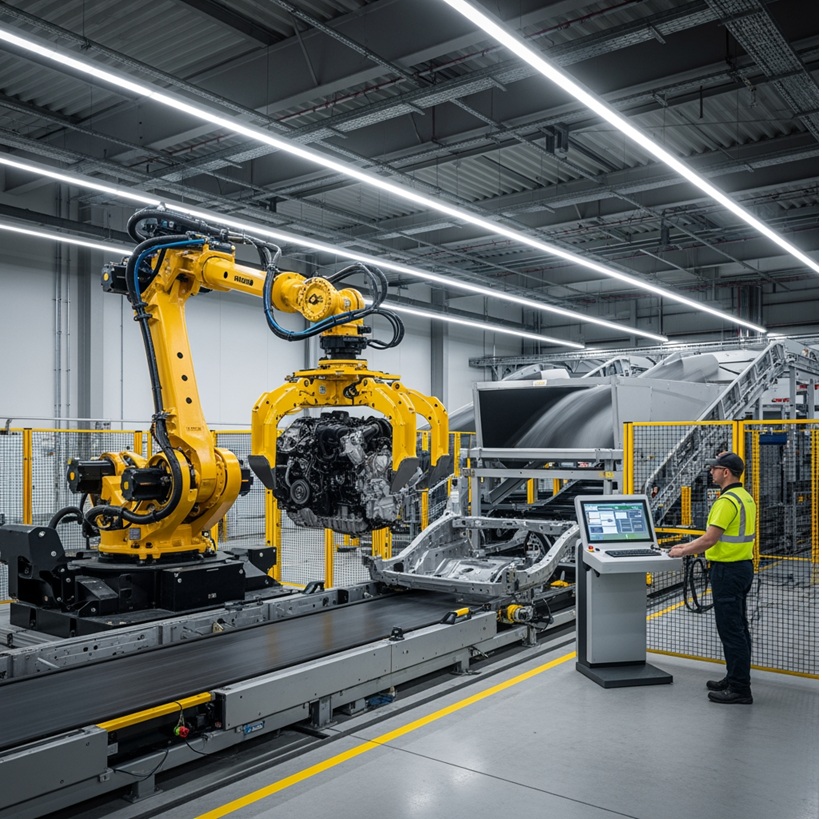
Now, automated handling systems use intelligent sensors and computers to move vehicles with millimetre precision. This keeps human workers well clear of crushing hazards. The equipment actively monitors the floor and helps prevent accidents before they even happen.
Hazardous Task Elimination
Smart systems can spot when someone accidentally walks into a restricted area. They will automatically shut down the heavy machinery instantly. It acts just like a vigilant supervisor who never blinks, never gets distracted, and never assumes you know what you’re doing.
One truly impressive innovation is the automated fluid drainage system. Instead of workers crawling under unstable vehicles to drain old oils, machines handle the job. They safely pierce and drain multiple fluid tanks at the same time, capturing the liquids cleanly.
These advanced operations eliminate one of the absolute dirtiest and most dangerous tasks in vehicle processing. It ensures toxic chemicals go exactly where they belong, rather than all over a mechanic’s overalls.
Precision In Material Recovery
The serious economic benefits of automation become crystal clear when looking at daily material recovery rates. Manual sorting inevitably leaves money on the table, no matter how skilled the workers are. Human eyes can easily miss valuable parts, and late-afternoon fatigue quickly leads to mistakes.
Automated material identification systems use advanced tools, like spectroscopy (using light to identify exact metal types), to achieve laboratory-level accuracy. These systems can tell the difference between grades of steel. They also spot obscure non-ferrous metals and detect trace amounts of precious metals.
Modern sorting lines easily separate tiny fragments of platinum from exhaust systems. Experienced workers would usually just sweep those pieces away. That tiny, overlooked fragment could easily be worth more than a day’s wages. Multiplying that recovered value by thousands of vehicles easily pays for the facility upgrades.
Maximising Component Value
The mechanical precision extends far beyond basic material identification. Automated cutting systems safely slice vehicle bodies with incredible accuracy. This ensures maximum material recovery while drastically cutting down on waste.
These brilliant systems follow pre-programmed digital patterns to physically separate different materials perfectly. This level of consistency is incredibly difficult to achieve with manual cutting torches. As a result, yards produce highly predictable, premium-grade scrap metal ready for the foundry.
Environmental Benefits And Compliance
Environmental rules have become increasingly strict for the motor trade. Modern equipment offers smart solutions that manual processes simply struggle to match. Automated monitoring systems track the safe disposal of every single hazardous material on the site.
They create perfectly detailed digital records that easily satisfy strict legal requirements. This guarantees that absolutely nothing harmful escapes into the local soil or water table. The accuracy of environmental reporting improves dramatically when you reduce simple human error.
Automated fluid recovery systems capture a much higher percentage of waste oils and coolants compared to old gravity drains. Used motor oil can be successfully refined and reused, but only if it’s properly captured without cross-contamination.
Economic Impact On Operations
If you want a truly reliable and compliant approach to scrap car recycling, relying on modern yards is the smartest choice. The financial benefits of this technology extend far beyond just faster processing and avoiding environmental fines.
Predictive maintenance systems monitor equipment health in real-time. They effectively schedule repairs long before catastrophic breakdowns occur. These smart sensors detect failing bearings and dropping hydraulic pressures weeks in advance.
This proactive approach completely eliminates the costly downtime that plagued older yards. Facilities used to lose thousands of pounds when a main shredder failed unexpectedly. Now, they can easily plan their maintenance during quiet off-peak hours.
Challenges And Integration
Facility upgrades certainly come with major challenges for business owners. The initial financial investment can be absolutely massive. A complete automated sorting system might cost more than some small regional yards earn in several hard years.
However, the rapid return on investment usually justifies the heavy expense. Our fast scrap car collection partners know that reliable machinery is key to avoiding delays on a busy Tuesday morning. Consistent equipment means a perfectly consistent service for the customer.
Unlike a simple hand tool that an older mechanic can weld back together, automated systems require specialised knowledge. They also need very expensive replacement parts. Yards must carefully budget for these ongoing maintenance costs and employ highly qualified technicians.
The Human Touch Remains Important
There is also a complicated human element to consider when upgrading a yard. Workers who have spent decades perfecting manual dismantling techniques may initially resist massive changes. Successful upgrades always require comprehensive, patient training programmes.
The best yard upgrades don’t try to replace everything at once. Hybrid systems that combine automated efficiency with experienced human oversight work best. Machines handle the heavy initial vehicle processing, while skilled workers focus on delicate component recovery.
Human expertise remains totally irreplaceable in many complex areas of the trade. The best facilities design their shiny new systems to enhance their experienced mechanics, not replace them. It gives you complete peace of mind that when you decide to scrap my vehicle, it goes to a licensed facility capable of handling it properly.
Smart Contracts and DVLA Integration
When yards work efficiently, they can pass those operational savings directly on to the customer. When you get an instant quote to scrap any car, our network finds the best local prices. These great quotes are often driven by these efficient new technologies.
Beyond physical dismantling, digital integration is streamlining the heavy administrative burden of the trade. The DVLA’s vehicle registration database can now securely connect with a yard’s computer records. This allows the official Certificate of Destruction to be generated digitally and incredibly quickly.
While you still need to tell the DVLA that you’ve sold or scrapped the car, automated backend systems ensure the yard’s side of the paperwork is flawless. This drastically reduces administrative errors and lost paperwork, protecting everyone involved.
Looking Forward To Better Recycling
The next generation of technology promises even more impressive capabilities for the motor trade. Artificial intelligence systems are currently being developed that can learn from daily experience. This heavily improves their sorting efficiency over time.
These smart systems might eventually recognise specific vehicle models instantly and automatically adjust their processing settings. The professional network of Authorised Treatment Facilities demonstrates how these modern capabilities provide vastly superior vehicle disposal services across the country.
The scrap yards of tomorrow will be cleaner, infinitely safer, more profitable, and vastly more environmentally friendly than anything from the past. This brilliant evolution benefits absolutely everyone, from the yard workers to the everyday vehicle owners.
If you have any questions about how modern facilities process old motors, please feel free to contact us today. We are always here to help you understand and complete the recycling process properly, safely, and legally.