AI and Robotics in Scrap Yards: How Tech Is Revolutionising Auto Recycling
17th Mar, 2026
The scrap yard industry has come a long way from the days of manual dismantling and basic sorting. Back when I started my apprenticeship, we relied on a heavy set of spanners and a lot of elbow grease to get the job done. Modern facilities are now embracing technology that would have seemed like science fiction just twenty years ago. Today’s AI and robotics in scrap yards represent perhaps the most significant shift witnessed in automotive recycling.
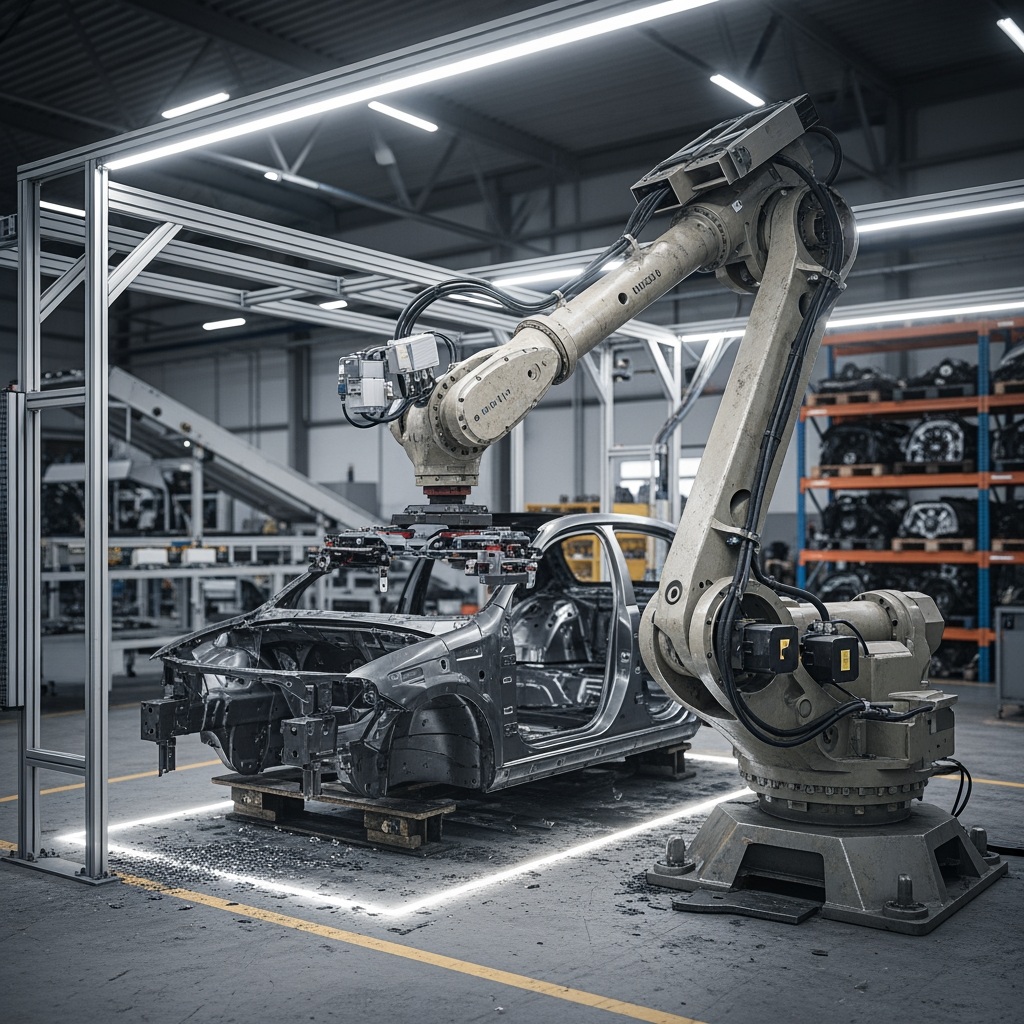
Robotic arms now strip vehicles with surgical precision, while AI systems can identify valuable components faster than any human eye. It’s rather like watching a master craftsman work, except this craftsman never gets tired and can process hundreds of vehicles daily. The integration of artificial intelligence and robotics isn’t just about efficiency; it’s fundamentally changing how the entire industry approaches vehicle recycling.
These technologies are making the process safer, more profitable, and significantly more environmentally friendly. For anyone considering whether to scrap their vehicle, understanding these advances helps explain why modern recycling facilities can offer better prices and more comprehensive services than ever before. Machine learning applications are driving innovations that benefit both facility operators and vehicle owners alike. When you choose the Scrap Car Network, you’re often tapping into this high-tech world without even realising it.
Smart Sorting Systems Transform Material Recovery
The heart of any modern scrap yard lies in its sorting capabilities. Traditional methods relied heavily on human expertise to identify different metals, plastics, and components. While experience certainly counted for something, the process was time-consuming and prone to human error. You could easily mistake one grade of aluminium for another if you weren’t looking closely under the right light.
Today’s AI-powered sorting systems use advanced computer vision to analyse materials in real-time. These systems can distinguish between different grades of steel, identify aluminium components, and even spot valuable rare earth elements in electronic components. The accuracy is remarkable, often exceeding 95% in controlled environments. It’s like having a metallurgist with perfect eyesight working 24 hours a day, never tiring or making mistakes due to fatigue.
The systems process materials on conveyor belts, using cameras and sensors to identify composition before pneumatic systems direct items into appropriate containers. It’s a fascinating sight to behold as tiny puffs of air knock specific bits of metal into the right bins. This isn’t just a party trick; it’s the future of how we handle the cars of yesterday to build the cars of tomorrow.
The financial impact is substantial for the yard and the owner. Facilities using AI sorting report 20-30% increases in material recovery rates. Components that might have been overlooked or misclassified now find their way to appropriate recycling streams, maximising value for everyone. When looking to recycle my car, facilities with advanced sorting technology usually offer far better returns because they simply don’t miss the valuable bits.
Robotic Dismantling Increases Safety and Efficiency
Vehicle dismantling has traditionally been one of the most hazardous aspects of scrap yard operations. Workers faced constant risks from sharp metal edges, hazardous fluids, and heavy components that could shift at any moment. Robotic systems are transforming this landscape by handling the most dangerous tasks with ease.
Modern robotic dismantling systems can remove engines, transmissions, and other heavy components with precision that surpasses human capabilities. These robots are programmed with detailed knowledge of vehicle architectures. They can locate and remove specific parts without damaging surrounding components, which is crucial if those parts are headed for the resale market.
The safety improvements are immediately apparent when you walk onto a modern site. Workplace injuries in facilities using robotic dismantling have dropped by approximately 60% according to recent industry studies. Workers now focus on supervisory roles and tasks requiring human judgement, while robots handle the heavy lifting and hazardous material removal. This shift makes the yard a much better place to work.
The process usually begins with vehicle identification using VIN scanning technology. AI systems access databases containing detailed dismantling instructions for specific makes and models. Robotic arms then follow programmed sequences to remove fluids, extract valuable components, and separate materials systematically. It’s a clean, efficient, and methodical dance that gets the car stripped in record time.
Speed is another significant advantage that’s hard to ignore. A skilled human dismantler might process 3-4 vehicles per day if they’re really pushing it. Robotic systems can handle 15-20 vehicles in the same timeframe. This efficiency translates directly into better pricing for you, as facilities can process more inventory with much lower labour costs.
Automated Fluid Recovery Systems
One area where technology has made particularly impressive strides is in automated fluid recovery. I remember the old days of lying on a cold concrete floor, trying to catch oil in a bucket while it ran down my arm. It was messy, time-consuming, and honestly, a bit of an environmental nightmare if you weren’t careful.
Modern automated systems use robotic precision to locate drain points and extraction ports on the undercarriage. These systems can simultaneously drain multiple fluid types while maintaining strict separation. This ensures that the oil doesn’t mix with the coolant, which is vital for proper recycling. The environmental benefits are substantial, as automated systems virtually eliminate spills and cross-contamination.
The recovered fluids undergo immediate analysis using AI-powered testing equipment. Systems can determine fluid quality, contamination levels, and appropriate recycling pathways within minutes. High-quality fluids might be suitable for reprocessing into new products, while degraded fluids are directed to appropriate disposal channels. This ensures that every drop is handled the right way.
For vehicle owners, this technological advancement means better environmental outcomes. Every drop of fluid is captured and processed responsibly, reducing the overall environmental impact while maximising recovery value. Our network of authorised treatment facilities employs these advanced fluid recovery systems to ensure compliant and clean processing for every car that comes through the gate.
Predictive Analytics Optimise Operations
The application of predictive analytics in scrap yard operations represents a sophisticated evolution in business intelligence. These systems analyse historical data, market trends, and operational patterns to optimise everything from inventory management to pricing strategies. It’s about being smart with the assets we have on the lot.
Modern facilities use AI to predict which vehicle components will be in highest demand in the coming months. This information drives dismantling priorities, ensuring that valuable parts are recovered and processed when market conditions are most favourable. It’s rather like having a crystal ball that actually works, allowing the yard manager to know exactly what’s going to sell before the customer even calls.
Inventory management has become remarkably sophisticated thanks to these chips and sensors. AI systems track component conditions, storage locations, and market values in real-time. When a customer enquires about specific parts, systems can instantly locate items and provide accurate pricing based on current market conditions. No more wandering through rows of cars hoping to find a matching wing mirror.
Predictive maintenance of equipment represents another significant advantage. Machine learning applications monitor robotic systems, conveyor belts, and sorting equipment to predict maintenance needs before failures occur. This proactive approach reduces downtime and maintains consistent processing capacity. If a robot arm is starting to show a bit of wear in a joint, the system flags it before it actually snaps and stops production.
Quality Control Through Machine Learning
Machine learning algorithms are revolutionising quality control in automotive recycling. These systems learn from thousands of examples to identify defects, assess component conditions, and determine optimal processing pathways. The sophistication of AI and robotics in scrap yards continues to advance with each new car processed.
Visual inspection systems can detect hairline cracks in metal components that the human eye might miss. They can assess battery condition and evaluate electronic systems with remarkable accuracy. The consistency is particularly impressive. While a human inspector might have varying performance based on fatigue or how their morning started, AI systems maintain constant standards.
I remember an old apprentice I had years ago, Billy. He was a good lad, but he once missed a hairline fracture in a cylinder head because he was thinking about his weekend plans. If we’d had the scanners they use now, that head never would have made it to the “good” pile. Nowadays, these systems are like an apprentice who never forgets a lesson and never gets distracted by what’s on the telly.
Component grading has become increasingly sophisticated. Instead of simple “good” or “scrap” classifications, AI systems provide detailed condition assessments. This granular evaluation allows facilities to price components more accurately and match them with appropriate buyers. It builds a level of trust in recycled parts that we simply didn’t have thirty years ago.
Environmental Monitoring and Compliance
Environmental compliance has become increasingly complex, with regulations covering everything from air quality to groundwater protection. AI-powered monitoring systems help facilities maintain compliance while optimising environmental performance. It’s about being a good neighbour and a responsible business.
Continuous monitoring of air quality, water runoff, and soil conditions provides real-time environmental data. AI systems can detect anomalies immediately, triggering automatic responses to prevent environmental incidents. This proactive approach protects both the environment and the facility operations from costly mistakes.
Waste stream tracking has become remarkably sophisticated. AI systems monitor every material leaving the facility, ensuring appropriate documentation and regulatory compliance. This comprehensive tracking provides transparency that benefits both regulators and customers concerned about environmental responsibility. It’s proof that the car isn’t just being dumped.
When you work with facilities that employ these advanced monitoring systems, you can be confident that your vehicle is being processed in a responsible manner. This peace of mind is increasingly important to environmentally conscious consumers. If you’re looking to scrap my vehicle, knowing the yard uses these sensors means you’re doing your bit for the planet.
Integration With Digital Platforms
The connection between physical recycling operations and digital platforms represents a significant advancement in customer service. AI-driven digital integration allows customers to track their vehicles through the recycling process in real-time. It takes the mystery out of what happens after the tow truck leaves your drive.
Modern platforms provide detailed reporting on component recovery, material recycling rates, and environmental impact. You can see exactly how your old car contributed to resource recovery and environmental protection. This transparency builds trust and demonstrates the value of responsible recycling in a net-zero world.
Pricing algorithms have become increasingly sophisticated, using real-time market data, component assessments, and demand forecasting. These systems can adjust pricing dynamically based on market conditions, ensuring competitive offers for vehicle owners. It’s a much fairer way of doing business than just guessing based on the weight of the steel.
The customer experience has improved dramatically as a result. Instead of waiting days for assessments and paperwork, AI systems can provide instant quotes, schedule collections, and process documentation within hours. For those looking to arrange scrap car collection, this streamlined process eliminates the traditional frustrations of the trade.
Challenges and Limitations
Despite these impressive advances, AI and robotics in scrap yards face several significant challenges. Initial investment costs remain substantial; a comprehensive robotic dismantling system can cost several million pounds. Smaller facilities may struggle to justify these expenses without a massive volume of cars coming through the gates.
Technical complexity presents ongoing challenges for the engineers on site. These systems require skilled technicians for maintenance and programming. The shortage of qualified personnel in this specialised field can limit how fast these technologies are adopted across the country. It’s a new kind of mechanic we need nowadays.
Vehicle diversity creates programming challenges that are hard to get around. With hundreds of different makes and models, each with unique characteristics, creating comprehensive dismantling protocols requires enormous databases. Classic cars and unusual vehicles can still present particular challenges for automated systems that expect a standard layout.
Integration with existing operations requires careful planning and a lot of patience. Facilities must often redesign their entire workflow and retrain their staff to work effectively with new technologies. This transition period can temporarily reduce efficiency while teams adapt to the new way of doing things.
Future Developments and Trends
The evolution of recycling technology continues at an impressive pace. Next-generation AI systems are being developed that can handle increasingly complex tasks. We’re looking at systems that can identify counterfeit parts or even optimise material recovery at the molecular level to get every last bit of value out.
Collaborative robotics, or “cobots,” represent an emerging trend. These are systems designed to work alongside human operators rather than replacing them entirely. These cobots combine human judgement with robotic precision, potentially offering the best solution for complex dismantling tasks that still need a human touch.
Blockchain integration is also being explored for component tracking and authenticity verification. This technology could create immutable records of part histories, reducing fraud while improving supply chain transparency. You’d know exactly where a second-hand part came from and how many miles it had done.
Machine learning applications continue to advance, with systems becoming increasingly capable of handling unexpected situations. Future systems may require significantly less programming while offering greater adaptability to changing conditions. The goal is a yard that can think for itself and adjust to whatever vehicle rolls off the transport truck.
Economic Impact on the Industry
The financial implications of technological adoption extend throughout the recycling industry. Facilities investing in advanced automation report significant improvements in profitability, typically seeing returns on investment within 3-5 years. It’s a big upfront cost, but it pays off in the long run through efficiency.
Labour cost reductions represent a major benefit, though this must be balanced against the need for higher-paid technical staff. Overall employment in the industry is shifting towards higher-skilled positions focused on system operation. It’s less about swinging a sledgehammer and more about managing a digital system.
Material recovery rates have improved substantially, with some facilities reporting 40% increases in valuable component recovery. This improvement benefits everyone in the supply chain. Manufacturers get access to higher-quality recycled materials, which reduces the need for expensive and damaging mining.
Market competitiveness has intensified as technologically advanced facilities can offer better service and pricing. Traditional operators face pressure to modernise or risk being displaced by more efficient competitors. It’s a “sink or swim” moment for many of the old-school yards I used to visit.
Selecting Technology-Enhanced Services
For vehicle owners, understanding these technological advances helps in selecting the right recycling services. Facilities using advanced automation typically offer several advantages: better pricing, faster processing times, and superior environmental compliance. It’s a win-win for you and the planet.
When evaluating your options, consider asking about the technologies they use. Facilities proud of their technological investments are usually happy to discuss their capabilities. They want you to know that they’re at the cutting edge of the industry.
Documentation and transparency often reflect how sophisticated a yard is. Advanced facilities can provide detailed reports on material recovery and environmental impact. This transparency indicates both technological capability and professional standards that you can trust.
Working with established networks provides access to these technological benefits while ensuring regulatory compliance. If you have questions about the recycling process or need assistance, don’t hesitate to get in touch with us for guidance. We’re here to help you make sense of the modern scrap world.
The Road Ahead
The integration of artificial intelligence and robotics in automotive recycling will only deepen in the coming years. These technologies are transforming an industry that was once purely manual into a sophisticated, data-driven operation. It’s about maximising resource recovery while minimising our environmental footprint.
The benefits extend far beyond the scrap yard gates. Improved recycling efficiency reduces the need for virgin materials, which is vital for our planet’s future. Better component recovery also provides affordable parts for vehicle repairs, keeping more cars on the road longer.
These advances represent not just technological progress, but a fundamental improvement in how we handle waste. The future of automotive recycling is undoubtedly digital, and that future is arriving faster than many people realise. It’s a brave new world for the scrap trade, and I’m glad to see it finally moving in this direction.
If you’re ready to see how this tech can benefit you, why not get an instant quote to scrap any car today? You might be surprised at the value hidden in your old motor. The machines are ready and waiting to give your car the high-tech send-off it deserves.