How Scrap Car Exports Affect the UK Economy
4th Feb, 2026
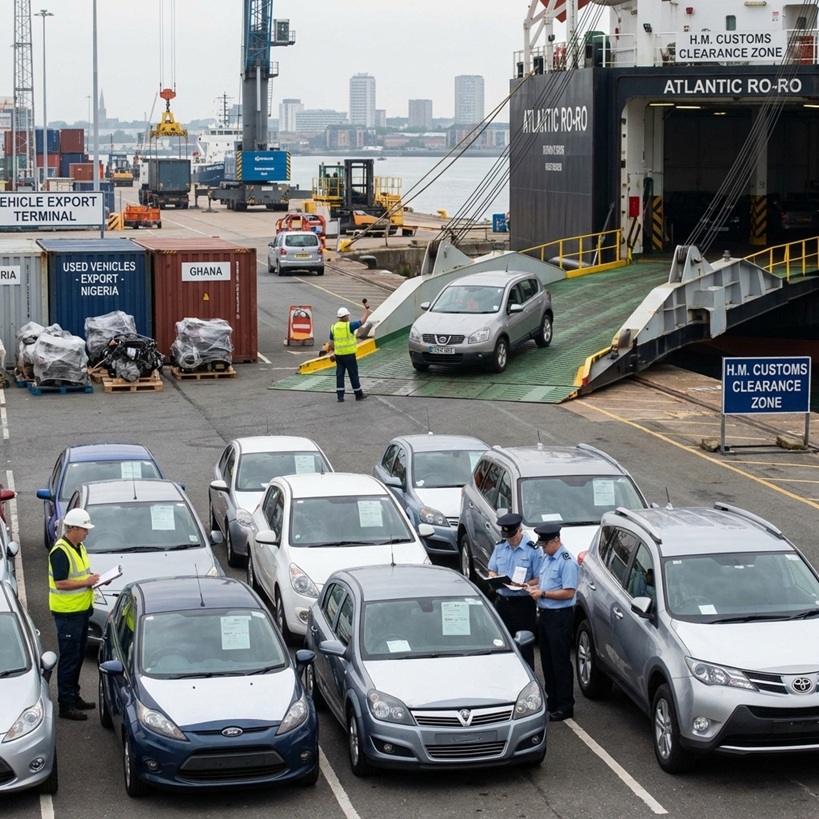
Scrap car exports are a lesser-known but highly influential part of the automotive and recycling sectors. Each year, thousands of end-of-life vehicles leave British ports, destined for markets across Europe, Africa, and Asia. These shipments form a quiet but significant connection between the UK economy and the wider global recycling trade.
While many vehicles are recycled domestically, others are exported whole or dismantled for parts abroad. Scrap Car Network focuses on ensuring that whether a car stays in the UK or contributes to the global market, it is processed responsibly and legally, balancing economic opportunity with environmental care.
What Are Scrap Car Exports?
Scrap car exports involve transporting vehicles that have reached the end of their life in the UK to other countries for reuse, repair, or recycling. Some nations have a stronger demand for used cars or components, particularly where vehicle maintenance is more cost-effective due to lower labour rates.
This trade has expanded steadily, supported by the UK’s established logistics networks. Businesses involved in collection, depollution, and export play an important role in generating income and supporting hundreds of jobs across logistics and recycling.
The Economic Impact of Scrap Car Exports
Scrap car exports are not simply a by-product of recycling; they form an important economic stream. Exporting vehicles and spare parts provides direct revenue for recycling companies, logistics firms, and port operators.
The export trade supports thousands of workers in dismantling yards, transportation, customs handling, and marine logistics. It strengthens local employment, especially in industrial regions linked to major shipping ports. Furthermore, exporting cars helps reduce domestic landfill waste by ensuring that older vehicles are reused elsewhere.
Environmental Considerations
The environmental impact of car exports depends on how and where vehicles are processed. Reusing vehicles or components abroad can extend their lifespan and reduce the need to manufacture new ones. This conserves resources and energy.
However, transporting vehicles overseas consumes fossil fuels. There is also a risk that vehicles dismantled in countries with lower environmental standards may release oils and refrigerants into the ecosystem. Responsible depollution before export is essential to protect the global environment.
The Role of Authorised Treatment Facilities (ATFs)
Authorised Treatment Facilities (ATFs) are the cornerstone of responsible vehicle recycling. These licensed operations ensure that scrap cars are dismantled safely, with hazardous substances removed before any export activity occurs.
ATFs are responsible for draining fluids, removing hazardous materials like batteries, and issuing Certificates of Destruction. Working with licensed ATFs ensures cars are processed to high standards, preventing illegal exports that bypass safety regulations.
Benefits of Scrap Car Exports
Exports boost revenue and reduce waste in the UK. By sending vehicles to markets where they are still viable, the UK supports the global circular economy. This trade also keeps the domestic market fluid, allowing for the sale of new vehicles and the retirement of older ones.
I once spoke with a shipping logistics manager in Southampton who described seeing a convoy of 15-year-old Toyota pickups being loaded for export to Africa. He noted that while they were considered “scrap” here due to emissions zones, they were practically gold dust in rural communities abroad because they are easy to fix and incredibly durable. It was a reminder that “end of life” is often just a matter of perspective.
Downsides and Risks
Despite the advantages, there are drawbacks. When vehicles are shipped abroad, the UK forfeits the chance to recover materials like steel, aluminium, and copper for domestic manufacturing.
If too many vehicles are exported, local recyclers may face shortages of materials. Additionally, unscrupulous operators may bypass regulations, risking environmental harm overseas. Regulation is essential to prevent these illegal practices.
The Future of Scrap Car Exports
The coming decade will bring major changes to how scrap car exports interact with the UK economy. Governments worldwide are tightening controls on vehicle waste exports. The UK is expected to enforce stricter checks to ensure only depolluted, compliant vehicles are shipped.
The rise of electric vehicles introduces new challenges. Batteries containing lithium and cobalt require specialised dismantling. ATFs will need to adapt by developing facilities capable of safely handling these materials before they leave the country.
Regional Considerations
Port proximity influences scrap prices. Areas near major ports like Liverpool or Southampton often see higher activity in the export trade. However, our nationwide collection service ensures that regardless of your location, you receive a fair price based on the vehicle’s value.
The Parts Market vs Whole Vehicle Export
Often, it is more economical to export specific components like engines and gearboxes rather than the whole vehicle. This reduces shipping volume and targets specific market demands.
This approach requires careful dismantling in the UK, supporting local jobs and ensuring that the remaining shell is recycled domestically. You can learn more about our car recycling process to see how materials are separated.
Ensuring Compliance
If you suspect your vehicle might be destined for export, it is vital to use licensed exporters. Risks include “cash for export” schemes that leave the V5C in your name. Always ensure you have notified the DVLA properly.
Our guide on how to notify the DVLA explains the specific steps for permanent export versus scrapping.
Making the Decision: Domestic Scrap or Export?
For most vehicle owners, domestic scrapping is the simplest and most responsible choice. It ensures the vehicle is processed according to strict UK environmental laws and keeps valuable materials within the local economy.
Financial benefits often favour local recycling as well, avoiding the middlemen and logistics costs associated with export. Supporting local ATF partners strengthens the UK’s industrial base.
Conclusion
Scrap car exports represent both opportunity and challenge for the UK economy. Exporting end-of-life vehicles generates income and supports jobs, but it also risks diverting valuable materials and environmental responsibility away from the UK.
The key lies in balance. Exporting where beneficial, but ensuring vehicles are processed by licensed, environmentally responsible facilities before shipment. With strong oversight, scrap exports can complement domestic recycling.
Drivers can contribute to this sustainable system by choosing ethical recycling partners. If you are ready to recycle your vehicle responsibly, call 0300 100 0027 or get an instant quote to ensure it is processed through approved facilities.