Do Certain Car Brands Retain More Scrap Value?
17th Jan, 2026
When it comes to scrapping a vehicle, not all cars are valued equally. Some makes and models hold more scrap value than others, but not always for the reasons people expect. The car brand scrap value depends less on the badge and more on what lies beneath the bonnet.
Understanding how factors such as metal composition, vehicle weight, and market demand influence valuation can help ensure a fair price when recycling a vehicle.
Factors Affecting Scrap Value
Before examining which car brands tend to retain higher scrap value, it’s essential to understand what determines the base valuation of any vehicle.
Weight of the Vehicle
Heavier cars usually fetch more because they contain greater quantities of recyclable metal. This includes steel, aluminium, and copper, all of which are traded commodities.
Current Scrap Metal Prices
Like any global market, metal prices fluctuate based on supply and demand. When industrial production increases, scrap values often rise in parallel.
Condition of the Vehicle
Even cars destined for recycling can have parts that retain resale potential. Components such as engines, alternators, and catalytic converters may increase the price offered.
Location
Scrap value can vary between regions due to differences in transport costs, local demand, and processing capacity. For instance, scrapping a car in London may produce a different return compared to scrapping a car in Preston.
Key Takeaways:
- Scrap value is based on more than just the brand.
- Weight, metal type, condition, and region all affect price.
- Current market trends play a major role in determining value.
For further insight into valuation methods, explore the Scrap Car Prices Guide for the UK.
Which Brands Hold Their Scrap Value?
While every car eventually becomes metal and parts, certain brands often achieve a slightly higher car brand scrap value due to their material composition and engineering quality.
German Car Brands
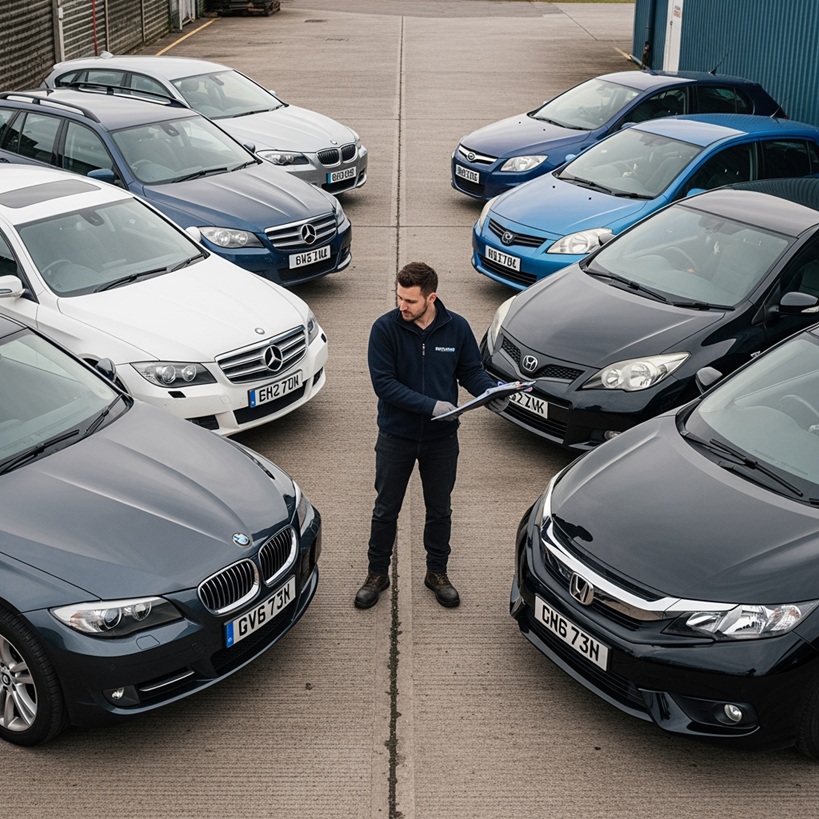
Manufacturers such as BMW, Mercedes-Benz, and Audi are often built using high-quality steel and aluminium. These materials are both valuable and easily recyclable. As a result, the scrap value of luxury car brands from Germany tends to be higher than average.
Japanese Car Brands
Brands like Toyota, Honda, and Nissan are known for reliable engineering and durable components. Even at the end of a vehicle’s life, many of these parts can be salvaged or resold, adding extra value to the total scrap offer.
Other Common Brands
- Ford and Vauxhall: Dependable cars with abundant recyclable materials.
- Peugeot and Renault: Lighter builds mean less weight, but often good resale value for spare parts.
- Volvo and Land Rover: Heavier structures can mean greater base metal value.
Key Takeaways:
- German and Japanese brands typically retain higher scrap value.
- Luxury brands contain valuable alloys and recyclable metals.
- Vehicles known for reliability or spare part demand often fetch better offers.
For accurate, market-reflective quotes, try getting an instant quote to scrap any car using Scrap Car Network’s trusted ATF system.
The Impact of Brand Reputation
A brand’s reputation influences how its vehicles are valued, not just new, but even when scrapped. Cars from manufacturers recognised for durability, reliability, and quality components tend to attract higher bids from recyclers and dismantlers.
Vehicles with a reputation for dependable engines, strong chassis, or sought-after parts can still yield value long after their road life ends.
Key Points:
- Reliable brands often retain more reusable components.
- Popular models may offer higher parts demand, increasing scrap offers.
- Brand reputation indirectly affects scrap pricing through part resale opportunities.
Understanding these dynamics can help when comparing offers, a key part of choosing scrap car offers fairly.
The Role of Metal Content
At the heart of every scrap valuation lies the metal composition. Cars made with more aluminium or copper yield greater value per tonne than those built predominantly from steel.
Common Metals and Their Values
- Steel: Found in most car frames; forms the bulk of recyclable mass.
- Aluminium: Used in engine blocks, wheels, and body panels; higher per-tonne value.
- Copper: Common in wiring and radiators; highly sought after by recyclers.
- Precious Metals: Found in catalytic converters, including platinum, palladium, and rhodium.
Key Takeaways:
- Different metals yield different values during recycling.
- Aluminium and copper increase a vehicle’s total worth.
- Precious metals in components like catalytic converters further boost value.
More details on material recycling can be found in our environmentally responsible car recycling process.
The Catalytic Converter Effect
The catalytic converter is one of the most valuable components in any scrap car. It contains precious metals that play a vital role in reducing exhaust emissions but are rare and expensive to source.
Why It Matters
Catalytic converters contain:
- Platinum – Used for oxidation and reduction reactions.
- Palladium – Reduces hydrocarbon and carbon monoxide emissions.
- Rhodium – Effective for reducing nitrogen oxides.
These metals are extracted during recycling, significantly increasing a vehicle’s scrap value, particularly for brands known to use high-grade catalytic materials, such as premium German or Japanese manufacturers.
Key Takeaways:
- Catalytic converters contain valuable rare metals.
- They can dramatically boost the overall scrap value.
- Replacement and recycling are regulated for environmental compliance.
Learn more about responsible handling through our guide to Authorised Treatment Facilities.
Weight Matters
When all else is equal, weight often determines the final scrap value. Large SUVs, estates, and saloons naturally contain more recyclable material than smaller hatchbacks.
- Heavier cars mean more raw material to recover.
- Lightweight vehicles can still fetch strong prices if built with valuable alloys.
- Electric vehicles may vary depending on battery composition and structure.
Key Takeaways:
- Weight directly correlates with metal recovery potential.
- Larger vehicles generally yield higher scrap offers.
- The use of lighter alloys affects value differently by brand.
You can find out how these factors combine to determine the offer using Scrap Any Car for a free, instant valuation.
How to Maximise Your Car’s Scrap Value
While the brand and build play a part, owners can take several steps to increase the final payout.
Preparation Checklist
- Remove Personal Items: Clear out belongings and paperwork.
- Identify Reusable Components: Batteries, stereos, and alloys may fetch additional value if sold separately.
- Get Multiple Quotes: Comparing offers ensures the best price.
- Use Licensed ATFs: Only work with compliant and environmentally responsible facilities.
- Provide Complete Paperwork: Having the V5C logbook speeds up processing.
Key Takeaways:
- Preparation ensures maximum return.
- Transparency and documentation simplify the process.
- Always use reputable, licensed facilities for legal compliance.
If unsure about paperwork, review how to tell the DVLA when you sell or scrap your car for step-by-step guidance.
Environmental Considerations
Scrapping responsibly is not only good for your wallet, it’s essential for the planet. Vehicles processed through Authorised Treatment Facilities (ATFs) undergo depollution to remove harmful substances before materials are recycled.
Benefits of Responsible Recycling
- Reduced Landfill Waste: Components are separated and reused.
- Lower Carbon Footprint: Recycling metals requires less energy than mining.
- Hazardous Waste Management: Oils, coolants, and batteries are disposed of safely.
Key Takeaways:
- ATFs follow strict recycling standards to prevent pollution.
- Responsible scrapping supports sustainable metal recovery.
- Choosing ethical recycling contributes to circular economy practices.
You can connect with our network of Authorised Treatment Facilities to ensure your car is scrapped legally and safely.
Why Use Scrap Car Network
Scrap Car Network simplifies the entire process of vehicle disposal, from valuation to collection and recycling. The platform connects car owners to trusted ATFs across the UK, guaranteeing compliance and competitive prices.
Advantages of Using Scrap Car Network
- Free Nationwide Collection: Convenient pickup from any location in the UK.
- Competitive Prices: Quotes reflect current market metal rates.
- Paperwork Assistance: DVLA notifications and Certificates of Destruction handled.
- Environmental Responsibility: Eco-friendly processing across the partner network.
Key Takeaways:
- Reliable, compliant, and eco-conscious service from start to finish.
- Access to nationwide, licensed facilities.
- Find out more about our ATF partners and our commitment to responsible recycling.
Final Thoughts
So, do certain car brands retain more scrap value? The short answer: yes, but not exclusively because of the brand name.
The car brand scrap value depends on a combination of factors:
- Material composition (steel, aluminium, precious metals)
- Vehicle weight and structural size
- Component reusability and market demand
- Regional and global metal prices
The scrap value of luxury car brands often leads the pack, thanks to their high-quality materials and advanced components. However, preparation, documentation, and using a reputable ATF can make an equally significant difference.
For a reliable, eco-friendly solution, explore why use us and request a free quote today through Scrap Car Network to ensure a fair, compliant, and environmentally responsible process.
For personalised help or specific queries, contact us anytime.